

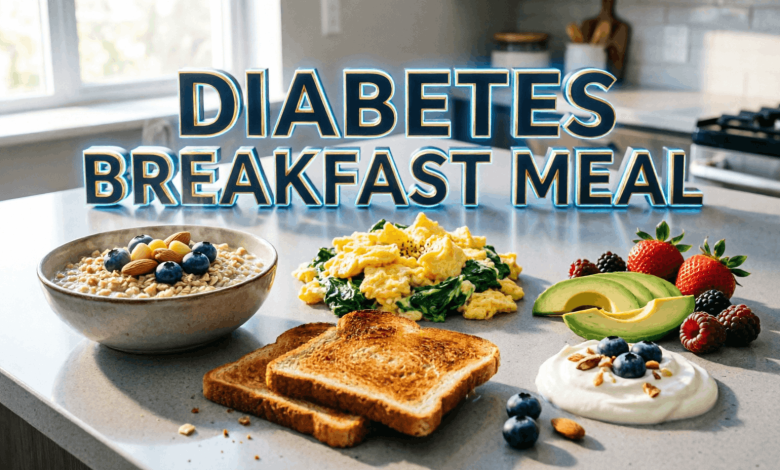
You wake up, open the fridge, and stare at the same three options you’ve eaten all week. Cereal spikes your blood sugar by 9 a.m. Toast alone leaves you hungry before lunch. Finding a diabetes breakfast meal that actually keeps you full and steady can feel like a part-time job.
Here’s the good news: you don’t need a nutrition degree to fix your mornings. You just need a short list of breakfast combinations that pair protein, fiber, and healthy fat in the right amounts. This guide walks you through seven practical breakfast ideas, the science behind why they work, and a few mistakes worth skipping altogether.
Why Breakfast Matters So Much for Blood Sugar
Your body handles carbs differently first thing in the morning. Cortisol, the hormone that helps you wake up, naturally raises blood sugar and can make you more resistant to insulin in the early hours. That’s why a bowl of sugary cereal at 7 a.m. can spike your glucose harder than the same food eaten at noon.
A breakfast built around protein and fiber slows down digestion and blunts that spike. Skipping breakfast doesn’t solve the problem either. Research from diabetes nutrition groups links regular breakfast eating to better weight management and steadier glucose readings through the rest of the day.
The goal isn’t to avoid carbs completely. It’s to pick the right kind, pair them with protein and fat, and watch your portions.
1. Veggie and Egg Scramble
Eggs are one of the most reliable breakfast foods for blood sugar control. A large egg carries almost no carbs and around 6 grams of protein, so it won’t push your glucose up on its own.
Scramble two eggs with spinach, bell peppers, and mushrooms for a meal that fills you up without a carb crash later. Top it with a quarter of an avocado for extra fiber and monounsaturated fat. If you’re watching cholesterol, use one whole egg plus two egg whites instead of three whole eggs.
2. Greek Yogurt Parfait With Berries and Nuts
Plain Greek yogurt has roughly triple the protein of regular yogurt and far fewer carbs, which makes it a smarter base than flavored varieties loaded with added sugar. Berries bring fiber and antioxidants without the sugar load of tropical fruit like mango or pineapple.
Layer half a cup of plain Greek yogurt with a third of a cup of blueberries or strawberries, then sprinkle on a tablespoon of chopped almonds or walnuts. The fat and protein from the nuts slow down how fast the fruit sugar hits your bloodstream.
3. Steel-Cut Oats With Cinnamon and Chia Seeds
Oats contain a soluble fiber called beta-glucan that slows glucose absorption and keeps you full for hours. Steel-cut oats work better than instant packets, since the instant versions are processed further and digest faster, which can spike blood sugar more quickly.
Cook a half cup of steel-cut oats in water or unsweetened almond milk, then stir in a tablespoon of chia seeds and a dash of cinnamon. Some early research suggests cinnamon may support insulin sensitivity, though it shouldn’t replace medication or a doctor’s guidance. Skip the brown sugar and add a small handful of walnuts instead.
4. Cottage Cheese and Tomato Basil Bowl
Cottage cheese rarely gets credit as a breakfast food, but it deserves a spot in your rotation. It’s high in protein, low in carbs, and some studies tie dairy intake to reduced insulin resistance over time.
Mix half a cup of cottage cheese with diced tomatoes, fresh basil, and a crack of black pepper. Blend it in a food processor first if you prefer a creamier, whipped texture. Add a slice of whole grain toast on the side if you want a bit more staying power.
5. Whole Grain Avocado Toast With an Egg
This combination pulls together fiber, healthy fat, and protein on a single plate. Multigrain or sprouted grain bread has a lower glycemic load than white bread, meaning it raises blood sugar more gradually.
Mash a quarter of an avocado onto one slice of toasted whole grain bread, top it with a fried or poached egg, and finish with red pepper flakes or everything bagel seasoning. Stick to one slice of bread rather than two to keep your carb count reasonable.
6. Chia Seed Pudding With Almond Milk
Chia seeds absorb liquid and turn into a pudding-like texture overnight, and most of their carbs come from fiber rather than sugar. That means a 1-ounce serving barely moves the needle on blood glucose.
Combine two tablespoons of chia seeds with three-quarters of a cup of unsweetened almond milk, a few drops of vanilla extract, and a small amount of stevia if you want sweetness. Let it sit in the fridge overnight, then top it with a few raspberries in the morning. It’s one of the few make-ahead diabetes breakfast meal options that actually tastes like dessert.
7. High-Fiber Cereal With Milk and Nuts
Not every cereal is off the table. Look for wheat bran or high-fiber cereals with at least 3 grams of fiber per serving and under 6 grams of added sugar. Pour it over unsweetened low-fat milk rather than juice or flavored milk.
Add a tablespoon of sliced almonds or a spoonful of natural peanut butter for extra protein. Watch your serving size closely here, since it’s easy to pour double the listed amount without noticing, which quietly doubles your carb intake too.
Breakfast Mistakes That Quietly Spike Blood Sugar
A few habits sabotage even a well-planned diabetes breakfast meal. Here’s what to watch for:
- Fruit juice instead of whole fruit. Juice strips out the fiber that slows sugar absorption, so a glass of orange juice can spike glucose faster than eating the whole orange.
- Flavored yogurt. Many flavored yogurts pack 15 to 20 grams of added sugar per cup, which cancels out the protein benefit.
- Bacon as your only protein. Bacon carries little to no carbs, but its saturated fat and sodium content raise heart disease risk, which matters more for people managing diabetes.
- Skipping breakfast to “save carbs.” Going too long without eating can trigger overeating later and cause bigger swings in blood sugar.
- Oversized cereal bowls. A serving size on the box is usually smaller than what most people pour by hand.
Sample 3-Day Diabetes Breakfast Meal Plan
If you’d rather follow a plan than plan meals from scratch, try rotating through these three combinations:
- Day 1: Veggie scramble with two eggs, spinach, and a quarter avocado.
- Day 2: Greek yogurt parfait with a third cup of berries and a tablespoon of walnuts.
- Day 3: Half a cup of steel-cut oats with chia seeds, cinnamon, and a handful of walnuts.
Repeat the cycle and swap in the cottage cheese bowl or chia pudding for variety. Keeping two or three go-to combinations on rotation makes mornings faster and takes the guesswork out of grocery shopping.
Talk to Your Care Team Before Making Big Changes
General guidelines like these work for most people, but diabetes management isn’t one-size-fits-all. Your ideal carb count at breakfast depends on your medication, activity level, and how your body responds to specific foods. A registered dietitian or diabetes educator can help you fine-tune portions based on your own glucose readings, and checking your blood sugar before and two hours after breakfast is one of the simplest ways to learn what actually works for you.
Frequently Asked Questions About Diabetes Breakfast Meals
What is the best breakfast for a diabetic to eat?
The best breakfast combines protein, fiber, and healthy fat while keeping refined carbs low. Eggs with vegetables, Greek yogurt with berries, and steel-cut oats with nuts are three of the most reliable options for keeping blood sugar steady through the morning.
What should diabetics avoid for breakfast?
Diabetics should limit sugary cereals, pastries, white toast, fruit juice, and flavored yogurt with added sugar. These foods digest quickly and can cause a sharp rise in blood glucose within an hour of eating, followed by an energy crash.
Can diabetics eat oatmeal for breakfast?
Yes, oatmeal works well for most people with diabetes when portioned correctly. Steel-cut or rolled oats contain soluble fiber that slows sugar absorption, but instant oats and flavored packets often digest faster and carry more added sugar.
How many eggs can a diabetic eat in the morning?
Most current guidance from heart health organizations allows one to two eggs a day for people with diabetes. Eggs are low in carbs and high in protein, though pairing them with vegetables instead of processed meats makes the meal even more balanced.
Is peanut butter good for a diabetic breakfast?
Yes, natural peanut butter without added sugar is a solid choice. It offers protein and healthy fat with minimal carbs, and a tablespoon spread on whole grain toast or added to oatmeal helps slow down digestion and prevent a quick sugar spike.
What breakfast foods lower blood sugar the fastest?
No single food lowers blood sugar instantly, but high-fiber foods like chia seeds, oat bran, and non-starchy vegetables slow the rise in glucose after a meal. Pairing carbs with protein and fat has a similar steadying effect over time.
Is it OK to skip breakfast if you have diabetes?
Skipping breakfast isn’t recommended for most people with diabetes, especially those on insulin or certain medications, since it can lead to unpredictable blood sugar swings later in the day. Check with your doctor about how meal timing interacts with your specific medication schedule.
Can diabetics eat pancakes or waffles for breakfast?
Diabetics can eat pancakes or waffles occasionally if they’re made with whole grain flour and topped with fresh fruit instead of syrup. Portion size matters here more than almost any other breakfast food, since a large stack can carry 60 grams of carbs or more.
Your Next Move
A solid diabetes breakfast meal comes down to three things: protein, fiber, and portion awareness. Pick two or three combinations from this list, keep the ingredients stocked, and rotate them through your week so mornings stop being a guessing game.
Once your breakfast routine feels steady, check out our guides on diabetic-friendly lunch ideas and low-glycemic snacks for the rest of your day on Reuterings.