
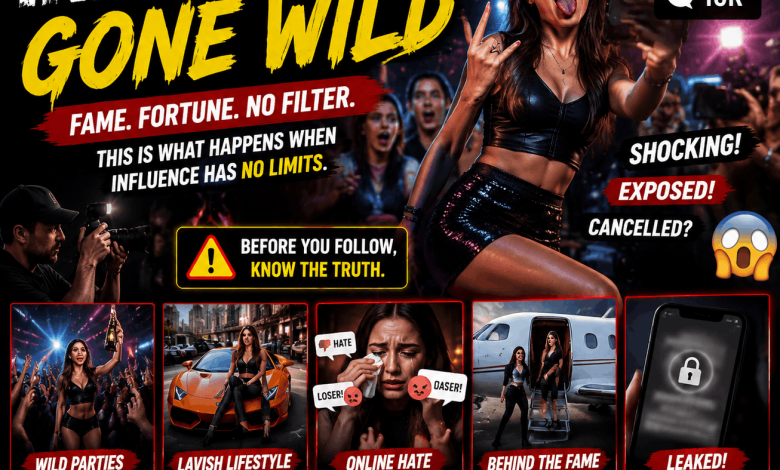
A creator posts one bad joke at 11 p.m. By breakfast, screenshots are everywhere, a hashtag is trending, and three brands have quietly deleted old sponsored posts. This happens almost weekly now, and it’s not random. Influencer scandals go viral because of specific, repeatable mechanics: platform algorithms, human psychology, and the built-in gap between a curated image and a real person’s mistakes. This piece breaks down exactly why these stories spread so fast, what happens to the creators involved, and what patterns show up again and again once you know what to look for.
What Actually Counts as an “Influencer Scandal”
Not every awkward post turns into a scandal. A true scandal usually involves a break between what an influencer claims to be and what they’re caught doing. That gap is what makes the story worth sharing.
Common triggers include:
- Undisclosed sponsorships or hidden financial deals
- Offensive comments, jokes, or old posts resurfacing
- Faked content, staged giveaways, or edited “before and after” photos
- Public feuds or on-camera meltdowns
- Reckless or dangerous stunts filmed for views
- AI-generated or deepfake content passed off as real
The common thread is broken trust. Followers feel like they know an influencer personally, so when the mask slips, it reads as a personal betrayal rather than a distant celebrity misstep.
The Algorithm Is Built to Spread Bad News Fast
Social platforms rank content by engagement, not accuracy or fairness. Comments, shares, and quote-posts all count as signals that content is worth showing to more people, and outrage generates all three at once.
A calm, well-reasoned response to a scandal rarely spreads. An angry screenshot with a caption like “wait until you see what she said” spreads within minutes. The platform doesn’t distinguish between engagement driven by anger and engagement driven by enjoyment. It just pushes whatever keeps people scrolling and reacting.
This creates a feedback loop. The more people comment on a scandal, the more the platform shows it to new users, which produces more comments, which pushes it further. A scandal can outrun any correction or apology simply because correction posts rarely generate the same emotional charge as the original controversy.
The Psychology of Watching Someone Fall
There’s a well-documented pull toward watching public figures lose their footing, sometimes called “schadenfreude” in psychology research. Influencers present polished, aspirational lives, and that polish can breed quiet resentment even among fans.
When a crack appears, it feels satisfying to some viewers because it confirms a suspicion: the perfect life was never entirely real. Watching that gap get exposed publicly scratches an itch that ordinary content never does.
Parasocial relationships make this sharper. Followers who feel like they “know” a creator personally experience a scandal almost like a friend’s betrayal, not a stranger’s mistake. That emotional investment is exactly why comment sections during a scandal read as personal and furious rather than detached.
Screenshots and Receipts Remove Any Room for Denial
Old-media scandals relied on secondhand reporting. Today, followers can pull direct screenshots, video clips, and timestamped posts as proof. This is often called “the receipts,” and it changes the entire dynamic of a scandal.
Denial rarely works once a screenshot is circulating, because the original post or comment is right there in the frame. That certainty is part of what fuels the spread. People aren’t debating whether something happened; they’re reacting to visible proof.
Editing tools and screen recording have made this easier than ever. A deleted post can still circulate for years once someone has saved it, which is why influencers who try to quietly scrub old content rarely succeed.
Brand Reactions Turn a Post Into a Bigger Story
A single controversial post might fade within a day. What often extends the story is what happens next: a brand statement, a paused ad campaign, or a public partnership ending.
When a sponsor drops an influencer, it validates the criticism and signals that the behavior crossed a real line, not just an online opinion. That announcement becomes its own news cycle, often bigger than the original post.
Regulators have added another layer here. Consumer protection agencies now watch for undisclosed sponsorships and misleading promotions, and a scandal involving financial harm, such as a fake giveaway or a risky investment pitch, tends to draw far more sustained coverage than a purely personal controversy.
Apology Videos Can Make Things Worse
The instinct after backlash is to post an apology, but timing and tone matter more than the apology itself. A rushed, generic statement, especially one that sounds AI-written or overly rehearsed, often reads as damage control rather than genuine remorse.
Followers can usually tell the difference between an apology that takes responsibility and one that shifts blame, cites “context,” or focuses on the influencer’s own suffering instead of the people affected. The wrong tone can restart the entire cycle, sometimes generating more anger than the original mistake.
Creators who recover tend to follow a similar pattern: a direct apology without excuses, concrete action such as a refund or donation, and a period of quieter, more careful content before returning to normal posting.
The Rise of AI and Deepfakes Added a New Kind of Scandal
A newer category of controversy involves synthetic or AI-generated content. Virtual influencers built on real people’s likeness without consent, AI-edited “natural” content presented as authentic, and deepfake endorsements have all triggered backlash in the past two years.
These cases hit differently because they raise questions about consent and identity theft, not just poor judgment. A follower base that feels tricked by fake authenticity tends to react with the same intensity as one that discovers a financial scam, because both involve a sense of being deliberately misled.
Expect more scrutiny here going forward. Platforms and regulators are starting to require clearer labeling for AI-generated personas and synthetic endorsements, which means this category of scandal is likely to grow rather than fade.
Not Every Viral Moment Is a Scandal
It’s worth separating genuine wrongdoing from moments that simply go viral because they’re emotional or unexpected. A creator breaking down about burnout during a livestream, for example, isn’t a scandal in the traditional sense. It spreads because it’s raw and relatable, not because the creator did something wrong.
Mixing these categories together does a disservice to both. Holding someone accountable for a scam or a harmful stunt is different from piling onto someone for having a rough day in public. Readers who can tell the difference tend to engage with influencer content more critically overall.
How Creators Actually Recover, When They Do
Recovery isn’t automatic, and plenty of influencers never fully bounce back. The ones who do tend to share a few habits:
- They apologize directly and early, before the story fully snowballs
- They offer something concrete, like a refund, donation, or corrected information
- They stay quiet for a stretch instead of immediately pivoting back to normal content
- They let their actual behavior, not just words, prove the apology was real
Time also plays a role. A first-time mistake handled honestly tends to fade faster than a pattern of repeated controversies, since audiences read repetition as character rather than a one-off error.
Frequently Asked Questions About Influencer Scandals
Why do influencer scandals spread faster than regular news?
Influencer scandals spread faster because platform algorithms prioritize engagement over accuracy. Angry comments, shares, and reaction posts all count as engagement, so outrage-driven content gets pushed to more users than calm or corrective posts.
What’s the most common cause of an influencer scandal?
Broken trust is the most common cause, usually tied to undisclosed sponsorships, faked content, or a gap between an influencer’s public image and their private behavior. Financial deception, like fake giveaways, tends to draw the harshest and longest-lasting backlash.
Can an influencer fully recover from a scandal?
Yes, recovery is possible, but it depends on how the situation is handled. Creators who apologize quickly, take concrete corrective action, and avoid repeating the behavior tend to rebuild trust faster than those who deny wrongdoing or issue vague statements.
Why do brands drop influencers after a scandal?
Brands drop influencers to protect their own reputation, since consumers often boycott products linked to a controversial creator. Many companies now include morality clauses in contracts specifically so they can end a partnership quickly if a scandal breaks.
Are influencer apology videos usually genuine?
Some are genuine, but many read as damage control rather than real accountability. Audiences tend to respond better to apologies that are direct, specific, and paired with real corrective action instead of vague statements about “context” or personal struggles.
How has AI changed influencer scandals?
AI has introduced new categories of controversy, including deepfake endorsements and virtual influencers built on real people’s likeness without their consent. These cases tend to generate strong backlash because they involve deception about identity, not just poor judgment.
Do platforms actually punish influencers for scandals?
Platforms sometimes limit visibility, pause monetization, or remove content that violates community guidelines, though enforcement varies widely by platform and severity. Legal consequences, like fines or lawsuits, generally come from regulators or courts rather than the platform itself.
Is it fair to call every viral influencer moment a “scandal”?
No, not every viral moment involves wrongdoing. Emotional or vulnerable moments, like a creator discussing burnout, often go viral because they’re relatable, not because the person did something harmful, so it helps to judge each situation individually.
What to Watch For Next Time a Creator Goes Viral for the Wrong Reasons
Influencer scandals go viral because algorithms reward outrage, screenshots remove any chance of denial, and audiences feel personally connected to the people they follow. The next time a creator’s name is suddenly everywhere, look past the headline and check whether it’s a genuine breach of trust or simply an emotional moment being amplified by the same systems that spread everything else.
Curious how this plays out for specific creators? Check our related coverage on canceled influencers and where they are now, our breakdown of how the FTC regulates influencer sponsorships, and our guide to spotting AI-generated content online for a closer look at where this trend is headed.