
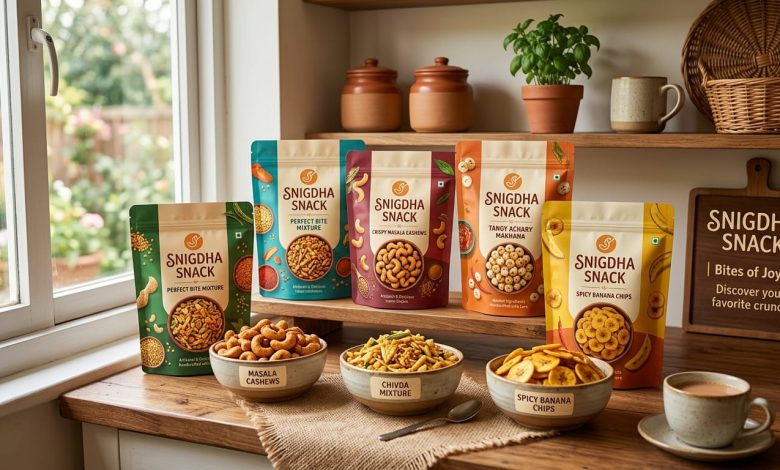
You’re standing in the snack aisle at 3pm, stomach growling, and the options blur together: chips, bars, puffs, bites, all shouting “protein!” or “clean label!” from the packaging. Ten years ago, that same aisle was mostly chips and cookies. Something has genuinely shifted in how people snack, and it’s not just marketing spin. Healthy snack trends have moved from a niche health-food-store category into the mainstream grocery cart, and understanding what’s actually driving that shift can help you make better choices the next time hunger strikes between meals.
This piece walks through what’s really changing in the snack world, what the labels and claims actually mean, and how to tell a genuine better-for-you product from a repackaged bag of the same old thing.
What Healthy Snacking Actually Means Today
“Healthy snacking” used to mean grabbing a piece of fruit or a handful of almonds and calling it a day. That still works, but the category has expanded well beyond whole foods. It now includes packaged products built around specific nutritional goals: more protein, more fiber, fewer additives, or ingredients you can actually pronounce.
The shift reflects a broader change in how people think about food between meals. Snacking isn’t treated as an afterthought anymore. For a lot of people, it’s become a deliberate part of managing energy, hunger, and nutrition throughout the day, which is why the products on shelves have had to evolve to match that expectation.
The Rise of Protein and Nutrient-Focused Snacks
Protein has become the single most requested attribute in the snack world. Industry research on consumer preferences consistently finds protein content near the top of what shoppers look for on a label, right alongside taste and price. That demand has pushed protein into categories that never used to feature it, including popcorn, cookies, and even candy.
Fiber and functional ingredients are following a similar path. Snacks fortified with probiotics for digestion, collagen, or plant-based protein sources like chickpeas and lentils have moved from specialty stores into regular grocery aisles. Some of this growth connects to interest in muscle maintenance as people age, and some connects to broader trends in weight management, but the common thread is that shoppers increasingly want a snack to do more than just taste good.
Clean-Label and Simple-Ingredient Snacking
“Clean label” gets used loosely, but the core idea is straightforward: fewer ingredients, and ones a shopper recognizes without needing a food science degree. Products marketed as free of artificial preservatives, dyes, or specific oils have grown faster than their conventional counterparts in several snack categories over the past couple of years.
This isn’t purely aesthetic. Shorter ingredient lists often mean less processing, which some shoppers associate with better digestion and fewer additives overall. That said, “clean label” isn’t a regulated term. A product can call itself clean-label without meeting any official standard, which is exactly why reading the actual ingredient panel still matters more than reading the front of the box.
Convenient Snacks Built for Modern Lifestyles
Convenience hasn’t gone anywhere. What’s changed is the expectation that convenient food can also be nutritionally decent. Single-serve portion packs, grab-and-go protein packs, and shelf-stable options built for a gym bag or a desk drawer reflect how differently people eat now compared to a couple of decades ago.
Work-from-home routines, longer commutes, and irregular schedules all play a role here. A snack that fits into a busy day without requiring prep or refrigeration has real value, and brands have responded by designing products around portability first and treating nutrition as a built-in feature rather than an afterthought.
How to Evaluate Snack Products and Marketing Claims
Front-of-package claims are marketing copy, not nutrition facts. Here’s what actually helps when you’re comparing options:
-
Check the ingredient list, not just the claims.
A short list of recognizable ingredients tells you more than a “natural” label ever will.
-
Look at added sugar, not just total sugar.
Total sugar includes naturally occurring sugars from fruit or dairy, which aren’t the concern.
-
Compare protein and fiber per serving, not per package.
Some bars and bags contain more than one serving, which skews the numbers on the front label.
-
Watch for serving size games.
A snack marketed as “low calorie” sometimes gets there with a smaller-than-expected serving size.
-
Treat “natural” with skepticism.
The term isn’t strictly regulated in most snack categories, so it doesn’t guarantee much on its own.
None of this means every trendy snack is a scam. Plenty of genuinely better products exist now that simply didn’t a decade ago. It just means the label deserves a second look before it goes in the cart.
Where Snacking Habits Are Headed Next
Global flavors are showing up more often in snack aisles, with brands pulling from Southeast Asian and Mediterranean cooking traditions instead of sticking to the usual flavor rotation. Sustainability is also playing a bigger role in purchase decisions, with more shoppers factoring in packaging and sourcing alongside nutrition.
The throughline across all of it is that snacking has become less of an indulgence and more of an intentional part of how people structure their day. Whether that trend holds depends on whether the products keep delivering on what the labels promise, which brings the conversation back to reading past the marketing.
FAQS
What is considered a healthy snack?
A healthy snack generally combines protein, fiber, or healthy fats with minimal added sugar and a short, recognizable ingredient list. Whole foods like nuts, fruit, and yogurt qualify naturally, while packaged options can qualify too if the nutrition facts back up the claims on the front.
Why is protein such a big trend in snacking right now?
Protein helps with satiety, meaning it keeps people feeling full longer than snacks based mostly on refined carbohydrates. Consumer research consistently shows protein as one of the top attributes shoppers look for, which has pushed manufacturers to add it across many snack categories.
Does “clean label” mean a snack is automatically healthier?
Not automatically. Clean label refers to simpler, more recognizable ingredients, not a specific nutrition standard. A clean-label snack can still be high in sugar or calories, so it’s worth checking the nutrition facts alongside the ingredient list.
Are protein bars a good snack option?
They can be, depending on the ingredients. Some protein bars are closer to candy bars with added protein powder, while others use whole-food ingredients with less added sugar. Comparing labels between brands makes a real difference here.
What should I look for on a snack nutrition label?
Focus on added sugar, fiber, protein per serving, and the actual serving size. These four numbers tell you far more about a snack’s nutritional value than any front-of-package claim.
Are natural sweeteners like honey or dates healthier than regular sugar?
They contain some additional nutrients compared to refined sugar, but the body processes them similarly in terms of blood sugar impact. They’re not a free pass to eat unlimited amounts, even in a “healthy” snack.
How can I snack healthily on a budget?
Whole foods like fruit, plain yogurt, and bulk nuts or seeds are typically cheaper per serving than packaged specialty snacks, while offering similar or better nutrition. Buying in bulk and portioning at home also cuts costs compared to pre-packaged single servings.
Start Reading Labels Before You Reach for the Bag
Better-for-you snacking is a real shift, not just packaging spin, but the label still requires a second look before you trust it. Protein, fiber, and simple ingredients are worth prioritizing, while front-of-box buzzwords are worth ignoring. For more on building smarter everyday eating habits, check out our related guides on reading nutrition labels and building a balanced meal routine on Reuterings.