
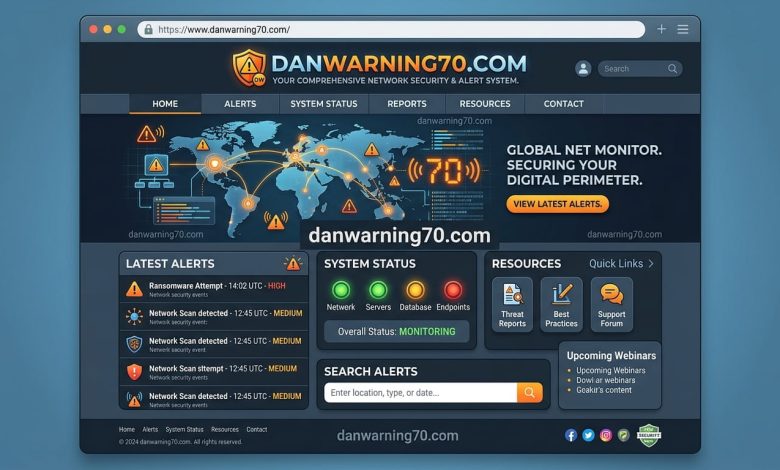
You get a link in an email, a text, or an ad, and the domain name looks unfamiliar or oddly specific, something like danwarning70.com. Before you click, you naturally want to know what you’re actually about to visit. Checking a domain like danwarning70.com before clicking is a smart habit, and it’s one that applies to any unfamiliar link you come across online, not just this one.
This article walks through what can actually be confirmed about this specific domain, then covers the general skills you need to evaluate any redirect link safely, whether it’s this one or the next unfamiliar link that lands in your inbox.
What Can Actually Be Confirmed About danwarning70.com
Visiting danwarning70.com directly does not lead to a standalone content site, blog, or platform. Instead, the domain redirects automatically to an order page hosted on stansberryresearch.com, a website associated with financial and investment newsletter marketing. The page it leads to is structured as a marketing or order funnel rather than as independent content.
That’s the extent of what can be confirmed through direct observation. Beyond that redirect behavior, there’s no verified information available about who registered the domain, why it points where it does, or what specific campaign it’s tied to. Any claim describing danwarning70.com as a tech blog, a lifestyle publication, a gaming creator’s personal site, or any other kind of independent content platform doesn’t match what the domain actually does when visited, and should be treated as unverified.
Why Some Domains Redirect to Other Websites
Redirect domains like this one are a common, mostly ordinary part of online marketing. A company running an ad campaign, an email promotion, or an affiliate partnership often uses a separate, simple domain name to track how well a specific campaign performs, then automatically sends visitors on to the real destination, in this case an order or sales page.
This practice isn’t automatically a red flag. Businesses use tracking domains and redirect links constantly for legitimate purposes: measuring click-through rates, testing which ads perform best, or simplifying a long, complicated URL into something shorter to share. The redirect itself just means the domain name you typed or clicked isn’t the final destination, which is worth knowing before you enter any information.
How Users Can Evaluate Unfamiliar Links Safely
A few habits help you check a link before it checks you.
- Look at where you actually land, not just the link you clicked. If a short or unfamiliar domain sends you somewhere else entirely, note the final URL in your browser’s address bar before doing anything else.
- Check whether the destination matches the context. A link from a financial newsletter landing on a financial company’s order page is consistent. A link claiming to be a delivery notification that lands on a payment page for something unrelated is not.
- Search the destination site by name, not the original short link, to see whether it’s a recognized, established company.
- Look for HTTPS and a clear company identity on the page you land on, including a real company name, contact information, and a privacy policy.
- Avoid entering payment or personal details on a redirected page until you’ve confirmed the destination is legitimate and matches what you expected.
Warning Signs of Suspicious Links
Most redirect links are unremarkable, but a few signs suggest a link deserves extra caution before you interact with it further.
- The destination page asks for sensitive information immediately, before explaining what it’s for
- The link arrived unexpectedly, paired with urgent language about a limited-time offer or an account problem
- The final destination doesn’t match the context of how you received the link
- The page pressures you to act fast or discourages you from closing the tab and researching first
- Spelling errors, low-quality design, or mismatched branding appear on the destination page
None of these signs alone confirm a link is unsafe, but a combination of several is a reasonable reason to close the tab and verify the offer directly through the company’s official website instead.
Safe Browsing Practices Before Entering Personal or Payment Information
Before typing anything into a form you reached through a redirect link, confirm you’re on the actual company’s official domain rather than a lookalike. Typing the company name directly into your browser and navigating from their real homepage is safer than trusting a link from an email or ad, even when the offer looks legitimate.
Use a unique password for any account you create through this kind of link, and consider a virtual or single-use card number if your bank offers one for online purchases you’re not fully certain about. If a page asks for information that seems unnecessary for what it’s offering, that’s worth pausing over before you continue.
FAQS
Is danwarning70.com a content website or blog?
No. Visiting the domain directly redirects to an order page on stansberryresearch.com, a site associated with financial newsletter marketing, rather than leading to independent blog or article content.
Is redirecting to another website automatically a sign of a scam?
No. Many legitimate businesses use separate tracking or marketing domains that redirect visitors to their main website, often for measuring ad or campaign performance.
How can I check where a link actually leads before clicking it?
Hover over the link on a desktop browser to preview the destination URL, or use a link-checking tool if you’re on mobile. If you’ve already clicked, check the address bar to confirm your final destination.
What should I do if a redirect link leads somewhere unexpected?
Close the page without entering any information, then search for the company by name to visit its official website directly rather than trusting the redirected link.
Why do companies use domains that don’t match their brand name?
Marketing campaigns often use separate, simplified domains to track specific ads or promotions separately from the main company website, which is a common and generally legitimate practice.
Should I enter my payment information on a page I reached through a redirect?
Only after confirming the destination is the company’s real, official site through independent verification, not just because the page looks professional or matches the offer you expected.
Verify Before You Click, Not After
A redirect link like danwarning70.com isn’t inherently dangerous, but it isn’t a content platform either, and confirming where a link actually leads takes less time than dealing with the consequences of skipping that step. For more on staying safe online, check out our related guides on recognizing phishing emails and protecting your online accounts on Reuterings.