
You searched “blog band thorn-magazine” expecting a quick answer, and instead you probably found a handful of articles that all sound suspiciously similar. That’s not a coincidence. There is no confirmed information proving blog band thorn-magazine exists as a real music act, publication, or collective, and the pattern behind these search results is worth understanding on its own. This piece walks through what’s actually out there, why the sources contradict each other, and how to spot this kind of manufactured topic before you take it at face value again.
What the Search Results Actually Show
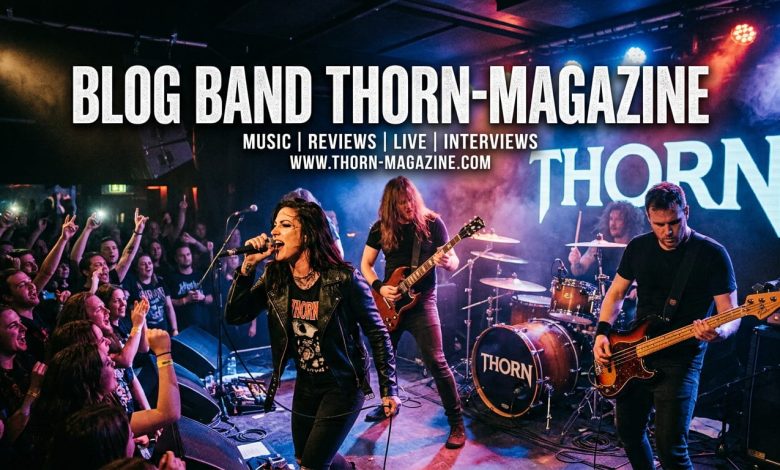
Type “blog band thorn-magazine” into Google and you’ll land on several different websites, each describing a “hybrid creative collective” or “blog band” that blends music journalism with original music. Some of these pages even brand themselves as the blog band thorn-magazine site, which adds to the impression of a real, established outlet. On the surface, that sounds like a real, interesting story.
Look closer and the cracks show. One source places its founding in the early 2010s. Another says the late 2010s. A third doesn’t commit to a timeframe at all. None of them name a specific band member, link to an actual song, cite a real interview, or point to coverage from an established music publication like Pitchfork, Stereogum, or NME. For something described as “a leading platform in indie music culture,” that’s a significant gap.
Why the Sources Contradict Each Other
The articles about blog band thorn-magazine share more than a topic. They share sentence structures, phrasing patterns, and even near-identical paragraphs, just reworded slightly from one site to the next. That’s a strong indicator of AI-generated or templated content, where multiple low-effort sites produce variations of the same unverified claim rather than original reporting.
There is no confirmed information tying any of these descriptions to a verifiable band, album, or publication. No official website with a consistent identity, no social media presence with real engagement, and no mention in any established music-industry database appears to exist. What does exist is a set of SEO-focused articles that reference each other’s framing without ever citing an original, primary source.
How Content Farms Create Topics Like This
This pattern is common enough to have a name in the SEO industry: manufactured or synthetic search topics. Here’s the general process that tends to produce results like the ones you’re seeing.
- A phrase gains initial traction, sometimes from a single low-quality article, a misfired auto-generated page, or an obscure mention that gets picked up by content-scraping tools.
- Multiple low-authority sites publish content on the phrase, often generated with AI tools and written to sound confident and detailed regardless of whether real facts exist to support it.
- Search engines index the volume, and because so many pages reference the same phrase, it can start appearing as though it’s an established topic with a real body of coverage behind it.
- Curious searchers click through, see multiple “sources” saying similar things, and reasonably assume there must be something real behind it, even though the sources are circular rather than independent.
This isn’t unique to music topics. The same pattern shows up around obscure product names, invented “trends,” and fabricated brand or person profiles across the web.
What This Means for You as a Reader
None of this proves malicious intent behind every article using the phrase, but it does mean you shouldn’t treat any of these pages as a reliable source for facts about a real band or publication. If you were hoping to find actual music, a real interview, or a genuine music-culture story, the honest answer is that the current search results don’t offer one.
If Thorn Magazine Blog Band does turn out to be a small, genuinely independent project without much of a public footprint yet, that’s a different situation from a fabricated topic, and it’s worth staying open to. The distinction matters: a small real project has a verifiable presence you can eventually confirm, while a manufactured topic tends to stay vague and self-referential no matter how many pages get published about it.
How to Spot Fake or AI-Generated Topics Online
A few habits make it easier to catch this pattern before you trust it:
- Check for primary sources. Real bands and publications usually have an official site, verifiable social accounts, or coverage in outlets with editorial standards. If every result just references other blog posts, be skeptical.
- Compare specific details across sources. Founding dates, member names, and factual claims that shift from article to article are a clear warning sign.
- Look for actual content, not just descriptions of content. A real band has songs you can stream. A real magazine has archived issues you can read. Descriptions without evidence aren’t proof.
- Notice repetitive phrasing. If multiple “different” sites use strikingly similar sentence structures or metaphors, that points to templated or AI-assisted writing rather than independent reporting.
- Search for the topic plus “reddit” or “fact check.” Real cultural phenomena usually generate genuine discussion somewhere outside of SEO-focused blogs.
- Check publish dates. A cluster of near-identical articles appearing within a short window, especially from unrelated-looking domains, often signals coordinated or automated content production rather than organic coverage.
FAQS
Is blog band thorn-magazine a real band?
There is no confirmed information verifying it as a real band, publication, or collective. Available sources contradict each other on basic facts and don’t link to any actual music, interviews, or independent coverage.
Where did the blog band thorn-magazine articles come from?
They appear to come from multiple websites publishing similar, templated descriptions of the same unverified concept. This pattern is common among content farms that generate volume around a phrase rather than reporting on a confirmed subject.
Why do so many websites describe it the same way?
Repetitive phrasing across unrelated-looking sites usually points to shared templates, AI-generated content, or one site’s claims being reworded and republished elsewhere without independent verification.
Could Thorn Magazine Blog Band become real later?
It’s possible a small, genuinely independent project exists behind the name without much documentation yet. If that’s the case, a verifiable presence, such as real releases or confirmed members, should eventually surface.
How can I verify if a band or publication is legitimate?
Look for an official website, streaming links, verifiable social media activity, and coverage from an established, editorially independent outlet. If none of those exist, treat the topic as unconfirmed.
Are there other examples of manufactured search topics like this?
Yes. Similar patterns show up around invented product names, vague “emerging trends,” and fabricated brand or person profiles, usually created to capture search traffic on a low-competition keyword rather than to inform readers.
A Quick Note Before You Trust the Next Search Result
This article is based on a review of publicly available pages describing Thorn Magazine Blog Band and does not confirm or deny the existence of any underlying real project. No details about members, releases, or history have been invented or assumed here, since none could be verified. Treat any future claims about this topic with the same scrutiny you’d apply to any unconfirmed source, and look for primary evidence before accepting it as fact.
The next time a search result feels oddly repetitive across “different” sites, run it through the checklist above before you take it at face value.