
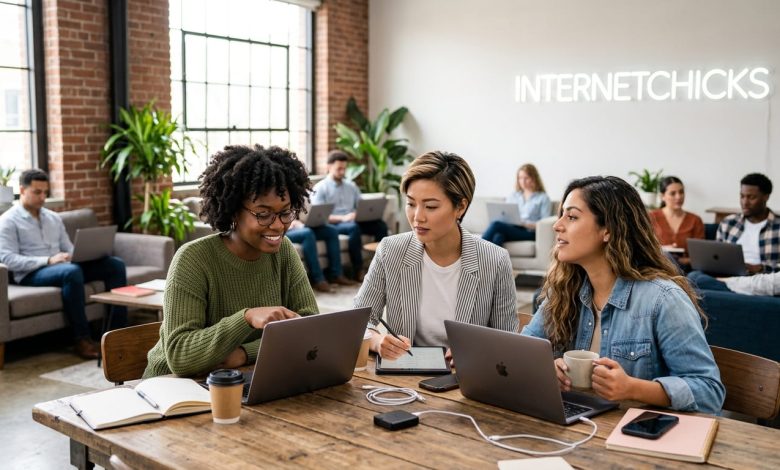
Open any TikTok “For You” page and you’ll see her within seconds: a young woman filming a get-ready-with-me video, reviewing a skincare product, or breaking down a news story in sixty seconds flat. People online now call this creator an “internet chick,” and the label has moved from casual slang to a real description of a career path. This article explains what internet chicks actually do, why they’ve become so influential with Gen Z audiences, and how the trend is reshaping brands, platforms, and online culture.
What Does “Internet Chick” Actually Mean?
An internet chick is a woman who builds an audience and often a business through original content on social platforms. You’ll see the term used loosely for TikTok creators, YouTubers, Instagram influencers, and Twitch streamers alike. It isn’t tied to one niche. A gamer with 40,000 Twitch followers and a beauty vlogger with two million YouTube subscribers both fit under the same umbrella.
The phrase gained traction because it’s short, memorable, and easy to search. You’ll spot variations of it across forums, comment sections, and casual conversation, including “internet chick,” “internet girl,” and similar spellings people type when they’re not sure of the exact wording. The meaning stays the same no matter how it’s typed: a woman whose primary presence and income come from the internet.
Where the Trend Started
The roots go back further than most people expect. In the early 2000s, platforms like MySpace and LiveJournal gave young women a place to post photos, journal entries, and personal opinions to an audience beyond their immediate friend group. That was the first version of internet fame built by regular people instead of TV networks or record labels.
YouTube changed the game in the late 2000s by adding video and, eventually, ad revenue sharing. Instagram brought polished visuals into the mix around 2012. TikTok then compressed the whole process. A single 30-second clip can now reach millions of viewers overnight, something that used to take years of consistent posting on older platforms.
Why Internet Chicks Have So Much Influence
Traditional celebrities built trust through movies, magazine covers, and press appearances. Internet chicks build it differently: through direct, daily interaction. A creator who replies to comments, posts unfiltered vlogs, and shares both wins and struggles feels close to her audience in a way a movie star never will.
That closeness translates into real purchasing power. A skincare recommendation from a creator with a loyal following can sell out a product line within hours, something a traditional print ad rarely achieves anymore. Brands have noticed. Influencer marketing partnerships now make up a significant share of many companies’ advertising budgets, and creators are often brought in earlier in the product development process instead of just the promotion stage.
The Platforms That Built the Movement
Each major platform plays a different role in a creator’s growth, and most successful internet chicks use more than one at the same time.
TikTok rewards discovery. Its algorithm can put a brand-new account in front of a huge audience if the content performs well, which makes it the fastest way to build initial reach. Instagram works best for polished, aesthetic content and remains the go-to for brand collaborations because of its shopping and tagging features. YouTube supports longer, deeper content like tutorials and vlogs, and it tends to keep generating views for years after a video is published, unlike short-form clips that fade fast.
Twitch adds a live, real-time layer. Gamers and hobbyists use it to chat with viewers directly while streaming, which builds a tighter sense of community than pre-recorded content usually can. Subscription tools like Patreon, along with Discord servers, let creators turn casual viewers into paying members who get extra access or perks.
Content Categories Where Women Are Leading
Female creators dominate several online niches right now, and each one has developed its own conventions and audience expectations.
Beauty and skincare remains one of the biggest categories, with creators testing products on camera and explaining ingredients in plain language. Lifestyle and wellness content covers everything from morning routines to mental health check-ins, often blending personal storytelling with practical advice. Tech and gaming creators walk viewers through reviews, tutorials, and live gameplay, an area that used to be dominated almost entirely by men. Activism-focused accounts use their reach to talk about causes like environmental issues and gender equality, turning a following into a platform for advocacy. Education and skill-building channels teach everything from budgeting to coding in short, digestible formats.
How Internet Chicks Make Money
Monetization has expanded well beyond the old model of ad revenue splits. Most successful creators combine several income streams so they’re not dependent on any single platform’s algorithm.
Brand sponsorships and paid partnerships remain the most common source of income for mid-size and large creators. Affiliate links let creators earn a commission every time a follower buys a recommended product. Merchandise lines, from clothing to digital products like presets or templates, give creators a direct sales channel they fully control. Subscription platforms, including Patreon and paid Discord tiers, provide steadier, more predictable income than one-off sponsorships. Some creators also license their content or license their likeness for ads, a newer revenue path that’s grown as brands look for more authentic-feeling campaigns.
The Real Risks Behind the Trend
The internet chick label isn’t only used to describe genuine creators. It’s also become a term scammers exploit, particularly on dating apps and social platforms where a fake profile can borrow photos and a persona to build false trust quickly.
A few warning signs are worth knowing. A profile with very few posts, no tagged photos with friends, or images that look professionally shot rather than casual can be a red flag. Reverse image searches can confirm whether a photo has been lifted from somewhere else. The FBI’s Internet Crime Complaint Center has repeatedly flagged social media and dating platforms as leading points of contact for romance scams, and losses tied to these scams run well over a billion dollars a year in the United States alone. Going slowly with anyone met online, and staying skeptical of requests for money or gift cards, remains the most effective protection.
On the creator side, real risks look different: online harassment, stolen content, and algorithm changes that can cut off income overnight. Many creators now use watermarking, DMCA takedown requests, and verified accounts specifically to protect their work and their identity.
What Brands Get Wrong When Working With Internet Chicks
Plenty of brands still treat creator partnerships like a one-off ad buy instead of a relationship, and it shows. Handing a creator a rigid script usually produces content that underperforms, because audiences can tell when a post doesn’t match the creator’s normal voice.
The partnerships that actually work tend to give creators room to shape the message themselves, since they understand their audience better than an outside marketing team ever will. Longer-term collaborations also outperform single sponsored posts, because repeated exposure builds more trust than a single mention ever could.
Where the Trend Is Headed Next
AI editing tools, faster analytics, and new platforms will keep changing how internet chicks work, but the core appeal isn’t likely to shift. Audiences follow creators because they feel real, and that won’t be replaced by more polished production or smarter algorithms.
Creators who treat content as a repeatable system, rather than something they only do when inspiration strikes, tend to grow more consistently over time. Expect more crossover between platforms, more creators launching their own product lines instead of only promoting other brands’, and continued growth in subscription-based income as creators look for steadier revenue than sponsorships alone provide.
Frequently Asked Questions About Internet Chicks
What is an internet chick?
An internet chick is a woman who builds an audience and often an income through content on platforms like TikTok, YouTube, Instagram, or Twitch. The term covers a wide range of niches, from beauty and lifestyle to gaming and tech, and describes the role rather than one specific type of content.
When did the internet chick trend start?
It traces back to the early 2000s with platforms like MySpace and LiveJournal, where young women first built personal audiences online. YouTube, Instagram, and TikTok later turned that early activity into a full career path with real monetization options.
How do internet chicks make money?
Most combine several income streams: brand sponsorships, affiliate commissions, merchandise sales, and subscription platforms like Patreon. Relying on just one source, especially ad revenue, is now considered risky because algorithm and policy changes can cut income quickly.
Is “internet chick” the same as “influencer”?
They overlap heavily but aren’t identical. “Influencer” usually implies a marketing or brand-partnership focus, while “internet chick” is a broader, more casual term that can apply to any woman with a notable online presence, regardless of whether she works with brands.
Which platform is best for a new creator to start on?
TikTok tends to offer the fastest initial growth because its algorithm actively pushes new content to fresh audiences. Many creators start there to build a following, then move some of that audience to YouTube or Instagram for longer-term, more stable growth.
Are there scams connected to the “internet chick” term?
Yes. Scammers sometimes create fake profiles using stolen photos and the same terminology to build trust on dating apps and social media. Checking for a thin posting history, reverse-searching profile photos, and going slowly with anyone met online are practical ways to spot a fake account.
Do internet chicks need a large following to earn money?
No. Many creators with under 50,000 followers earn steady income through affiliate links, small-batch merchandise, and paid communities. Brands increasingly prefer smaller, highly engaged audiences over massive followings with low interaction.
What content categories do internet chicks cover most often?
Beauty, lifestyle and wellness, gaming and tech, activism, and education are the most common categories. Many creators blend two or three of these rather than sticking to just one, which helps them reach a wider audience.
Where to Go From Here
The internet chick trend isn’t a passing moment. It’s a permanent shift in how influence, entertainment, and small business now work online, built by women who turned direct audience connection into real careers. If you’re curious about the broader creator economy, check out our related pieces on building a personal brand online, understanding social media algorithms, and spotting romance scams before they cost you money.