
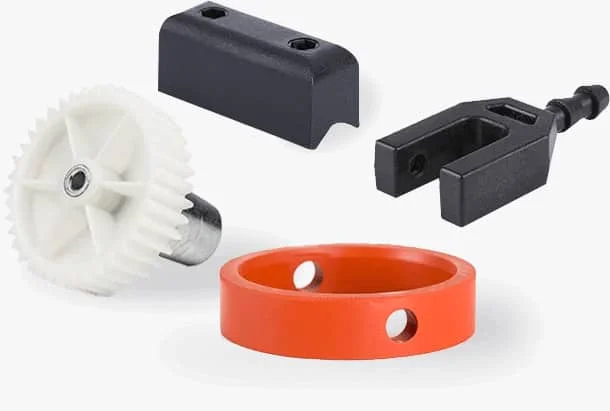
In today’s manufacturing-driven economy, the demand for precision components made from durable materials has grown rapidly across multiple sectors. From automotive systems to consumer products, plastic and rubber components quietly support performance, safety, and longevity. Among the manufacturers serving this demand, Jiangzhi plastic and rubber part production has gained attention for its focus on material quality, process stability, and practical application across industries. This topic matters not only to procurement managers and engineers but also to businesses seeking reliable long-term supply partners.
The global shift toward lightweight, cost-efficient, and adaptable materials has pushed plastic and rubber components into the spotlight. As industries evolve, so do expectations around customization, compliance, and environmental responsibility. Exploring how Jiangzhi plastic and rubber part solutions align with these expectations helps readers see why such components play a critical role in modern manufacturing chains.
Table of Contents
ToggleIndustry Context
Plastic and rubber parts are no longer seen as secondary elements in product design. They often determine sealing efficiency, vibration control, insulation, and even visual appeal. In competitive markets, the smallest component can influence the performance of the entire product. Jiangzhi plastic and rubber part manufacturing operates within this environment, where precision and consistency are required at every production stage.
Manufacturers today face pressure from both regulators and customers to deliver components that meet exact specifications. This includes mechanical strength, chemical resistance, and thermal stability. Companies that specialize in plastic and rubber processing must balance speed, accuracy, and cost without compromising on reliability. This balance is what separates average suppliers from those that earn long-term trust.
Material Selection
One of the most critical stages in producing any plastic or rubber component is material selection. The properties of raw materials determine how a finished part behaves in real-world conditions. Jiangzhi plastic and rubber part development typically begins with an evaluation of usage environments, including exposure to heat, friction, pressure, and chemicals.
Plastics offer versatility through a wide range of polymers, each suited for different applications. Rubber materials, whether natural or synthetic, provide elasticity and sealing capabilities that plastics alone cannot deliver. The correct combination of these materials ensures that parts maintain shape, function, and durability over time. Careful material matching also reduces failure rates and lowers maintenance costs for end users.
Manufacturing Processes
The production of plastic and rubber components involves specialized processes designed to achieve consistency and precision. Injection molding, compression molding, and extrusion are commonly used methods, each chosen based on part geometry and performance requirements. In Jiangzhi plastic and rubber part manufacturing, process control plays a major role in maintaining dimensional accuracy.
Molding parameters such as temperature, pressure, and cycle time must be closely monitored. Even minor deviations can lead to defects that compromise functionality. Advanced tooling and skilled operators help ensure that each batch meets design intent. Over time, refining these processes leads to higher efficiency and reduced material waste.
Customization Capability
Customization has become a defining requirement in component manufacturing. Off-the-shelf parts rarely meet the specific needs of modern equipment. Jiangzhi plastic and rubber part solutions are often designed with customization in mind, allowing clients to specify dimensions, hardness, surface finish, and performance characteristics.
This adaptability supports industries where unique configurations are common, such as medical devices, electronics, and industrial machinery. By tailoring parts to exact specifications, manufacturers help clients improve product performance and extend service life. Customization also supports innovation, enabling designers to experiment with new forms and functions without being limited by standard components.
Quality Control
Quality assurance is not a single step but a continuous process throughout production. For plastic and rubber components, quality involves visual inspection, dimensional checks, and performance testing. Jiangzhi plastic and rubber part quality systems often integrate testing at multiple stages to detect defects early.
Consistency across batches is especially important for large-scale manufacturing. Clients expect parts from different production runs to perform identically. Reliable quality control systems reduce variability and build confidence in the supply chain. Over time, this consistency becomes a key factor in supplier selection and long-term collaboration.
Application Areas
Plastic and rubber parts are used in nearly every industry imaginable. Automotive systems rely on seals, gaskets, and bushings to manage vibration and fluid flow. Consumer electronics depend on protective casings and insulating components. Jiangzhi plastic and rubber part manufacturing serves these diverse needs by producing components that adapt to different operating conditions.
Industrial equipment often operates in harsh environments, requiring components that resist wear and deformation. In such cases, material durability and precise molding are essential. By addressing these demands, plastic and rubber part suppliers contribute directly to equipment reliability and operational safety.
Cost Efficiency
Cost considerations influence every purchasing decision. While quality remains a priority, manufacturers also seek components that fit within budget constraints. Jiangzhi plastic and rubber part production aims to optimize material usage and process efficiency to keep costs competitive.
Efficient tooling design, reduced scrap rates, and streamlined workflows all contribute to cost control. When suppliers manage these factors effectively, clients benefit from stable pricing without sacrificing performance. Over time, cost-efficient components help businesses maintain profitability in competitive markets.
Environmental Considerations
Sustainability has become a growing concern in manufacturing. Plastic and rubber production traditionally raises questions about environmental impact. However, modern practices emphasize waste reduction, recycling, and responsible material sourcing. Jiangzhi plastic and rubber part manufacturing increasingly reflects these priorities.
By optimizing molds and processes, manufacturers can reduce excess material use. Some applications also incorporate recyclable or reusable materials, supporting broader sustainability goals. While challenges remain, ongoing improvements in production methods help align plastic and rubber manufacturing with environmental expectations.
Supply Chain Reliability
A reliable supply chain is essential for uninterrupted production. Delays or inconsistencies in component delivery can halt entire manufacturing lines. Jiangzhi plastic and rubber part suppliers often focus on stable logistics, inventory planning, and clear communication to support client operations.
Long-term partnerships are built on predictability and transparency. When suppliers consistently meet delivery schedules and quality expectations, they become integral to the client’s production strategy. This reliability reduces risk and allows businesses to plan confidently for growth.
Technological Integration
Advancements in manufacturing technology continue to influence how plastic and rubber parts are produced. Automation, digital monitoring, and data-driven process optimization have become more common. Jiangzhi plastic and rubber part production benefits from these tools by achieving higher precision and repeatability.
Digital design software allows for rapid prototyping and simulation before full-scale production begins. This reduces development time and minimizes costly revisions. As technology evolves, manufacturers that adopt modern tools remain competitive and responsive to changing market needs.
Compliance and Standards
Compliance with industry standards is a non-negotiable requirement for many applications. Plastic and rubber components used in regulated industries must meet specific safety and performance criteria. Jiangzhi plastic and rubber part manufacturing often aligns with these standards through controlled processes and documented quality systems.
Meeting compliance requirements protects end users and reduces liability for manufacturers. It also opens access to international markets where certification is mandatory. For clients, working with compliant suppliers simplifies regulatory challenges and speeds up product approval cycles.
Client Collaboration
Successful component manufacturing relies on clear collaboration between suppliers and clients. Early involvement in the design phase allows manufacturers to provide input on material choice and production feasibility. Jiangzhi plastic and rubber part development often benefits from this collaborative approach.
Open communication helps prevent design issues that could lead to production delays or increased costs. By working closely with clients, manufacturers can deliver parts that meet functional needs while remaining practical to produce at scale.
Market Adaptability
Market demands change rapidly due to technological shifts and consumer preferences. Plastic and rubber component suppliers must adapt quickly to remain relevant. Jiangzhi plastic and rubber part manufacturing demonstrates adaptability by supporting both high-volume production and specialized low-volume projects.
This flexibility allows manufacturers to serve startups and established enterprises alike. By adjusting production strategies, suppliers can respond to market fluctuations without compromising quality or delivery timelines.
Long-Term Value
The true value of a component supplier extends beyond individual orders. Consistent performance, reliable delivery, and responsive support contribute to long-term success. Jiangzhi plastic and rubber part solutions often emphasize durability and lifecycle performance, reducing replacement frequency and maintenance needs.
When components perform reliably over time, they lower total ownership costs for clients. This long-term perspective strengthens business relationships and supports sustainable growth for both parties.
Future Outlook
The future of plastic and rubber component manufacturing will continue to be shaped by innovation, sustainability, and customization. As industries demand smarter and more efficient solutions, suppliers must refine their processes and materials. Jiangzhi plastic and rubber part manufacturing is positioned within this evolving landscape, where precision and adaptability remain key.
Emerging applications in electric vehicles, renewable energy systems, and advanced electronics will further expand demand for specialized components. Manufacturers that invest in skills, technology, and quality systems will be better prepared to meet these challenges.
Final Thoughts
Plastic and rubber components may appear simple, but their role in modern manufacturing is complex and essential. From material science to process control, every detail influences performance and reliability. Jiangzhi plastic and rubber part manufacturing reflects the broader trends shaping the industry, including customization, quality assurance, and supply chain stability.
For businesses seeking dependable components, evaluating manufacturing capabilities, collaboration practices, and long-term value is crucial. As industries continue to evolve, plastic and rubber parts will remain foundational elements, supporting innovation and efficiency across countless applications.