
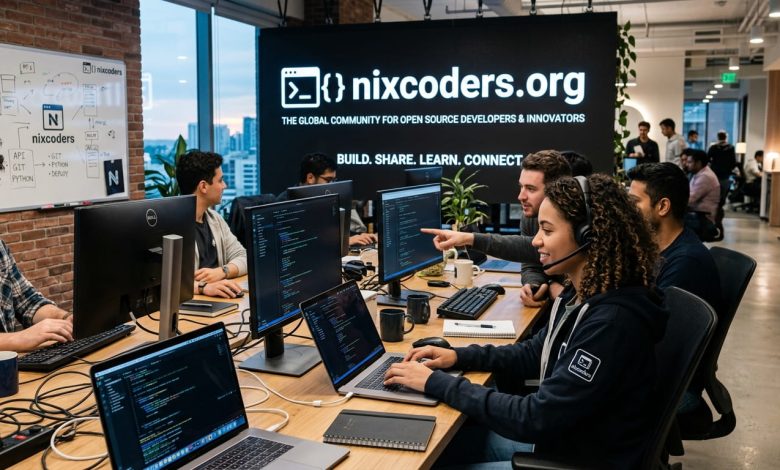
You’ve come across nixcoders.org while searching for coding tips, and now you’re trying to figure out whether it’s worth bookmarking or just another blog that showed up in your search results. Nixcoders.org covers a mix of general programming content and specialized guidance on Nix, the functional package manager, which is a combination you don’t see on every tech blog.
This guide covers what nixcoders.org actually publishes, who it’s built for, how its Nix-focused content differs from general programming posts, and what to know if you’re considering starting your own blog on the platform.
What Is Nixcoders.org?
Nixcoders.org is a tech blog covering coding tutorials, software development practices, and technology trends aimed at both beginners and experienced developers. The site publishes articles on web development fundamentals, including HTML, CSS, JavaScript, and frameworks like React and Angular, alongside broader coverage of emerging tools in the developer space.
What sets the blog apart from a typical general coding site is its dedicated coverage of Nix, a functional package manager built around reproducible builds and isolated environments. That focus makes nixcoders.org relevant to a narrower but more technical audience than a standard “learn to code” blog.
What Nix Actually Is
Nix treats packages as immutable rather than mutable, which is the core idea behind its promise of reproducible builds. Instead of installing software the traditional way, where updates and dependency conflicts can quietly break a working setup, Nix builds each package in isolation so the same configuration produces the same result on any machine.
This matters most for developers and system administrators dealing with DevOps workflows and infrastructure-as-code, where consistency between development, testing, and production environments avoids a whole category of “it worked on my machine” problems.
What Content Nixcoders.org Covers
The blog organizes its content into a few recurring categories:
- Web development tutorials: Front-end and back-end topics, including responsive design and site performance.
- Software tools posts: Coverage of resources and utilities relevant to working developers.
- Nix-specific guides: Package management, flake creation, pinning Nixpkgs, and CI workflow configuration.
- Community write-ups: Contributions from guest writers and industry professionals adding outside perspectives.
Posts on the Nix side tend to include short commands, expected output, and common error fixes rather than staying purely theoretical, which lines up with how the site positions itself for readers trying to solve a specific setup problem quickly.
Who Nixcoders.org Is Written For
The blog splits its audience roughly into two groups: developers newer to coding looking for foundational web development content, and more experienced developers or sysadmins specifically working with Nix. That’s a wider spread than most single-topic tech blogs attempt, and it shows in how differently the two content types read, one leaning conversational and beginner-friendly, the other more command-and-output focused.
Starting Your Own Blog on Nixcoders.org
If you’re looking to contribute or start a blog through nixcoders.org, the platform reportedly accepts guest posts from industry professionals, which is one route in if you have relevant coding or Nix experience worth sharing. Beyond guest contributions, the site also describes broader community features like a newsletter and discussion spaces for developers to connect.
If you’re weighing platforms for your own tech blog more generally, the usual considerations apply regardless of where you land: pick something with solid SEO tools, mobile responsiveness, and an editing experience that doesn’t get in the way of actually writing. WordPress remains the most common choice for that kind of flexibility, though plenty of smaller platforms work fine for a focused, niche blog.
Frequently Asked Questions About Nixcoders.org
What topics does nixcoders.org cover?
Nixcoders.org covers general web development topics like HTML, CSS, and JavaScript frameworks, alongside specialized content on the Nix package manager. The blog also features guest posts from developers and industry professionals on a range of coding and technology subjects.
Is nixcoders.org good for Nix beginners?
The site positions its Nix content with a recommended reading order and difficulty tags, which suggests an intent to guide newer users through the material step by step. Guides reportedly include short commands and expected output, which tends to help beginners follow along more easily than theory-heavy explanations.
Can I contribute a guest post to nixcoders.org?
The blog describes accepting guest posts from industry professionals as part of its content strategy. Specific submission guidelines are best confirmed directly through the site’s own contact or contribution page.
What is the Nix package manager used for?
Nix is used for building reproducible, isolated software environments where the same configuration produces consistent results across different machines. It’s especially useful for developers and sysadmins managing DevOps workflows and infrastructure-as-code.
Is nixcoders.org only about the Nix ecosystem?
No. While Nix-specific content is a notable part of the blog, it also publishes general web development tutorials and broader technology trend coverage aimed at a wider developer audience.
How often does nixcoders.org publish new content?
Available descriptions of the site reference regularly updated blog posts and community contributions, though specific publishing frequency is best confirmed by checking the site’s current post history directly.
Explore What Fits Your Coding Needs
Nixcoders.org blends general programming tutorials with a genuinely useful niche in Nix-specific guidance, making it worth a look whether you’re a beginner working through web development basics or a developer troubleshooting a Nix configuration. Its guest post model also gives more experienced developers a path to contribute directly.
If you’re exploring coding resources further, check out our roundup of the best free platforms for learning web development or our guide to choosing a package manager for your development workflow.