
You’ve seen “Off Stamp SW16000” mentioned online or at a shop and want to understand what it actually is before believing any of the marketing around it. This article covers what this type of disposable vape is, how US regulation actually treats products like it, the real risks involved, and how to check whether any vape product is legally authorized. None of this is written to encourage buying or using it.
What the Off Stamp SW16000 Actually Is
The Off Stamp SW16000 is a disposable vape device, part of a product category also known as e-cigarettes or ENDS (electronic nicotine delivery systems). It’s built around a rechargeable battery paired with replaceable, pre-filled flavor pods, rated for roughly 16,000 puffs per pod before replacement.
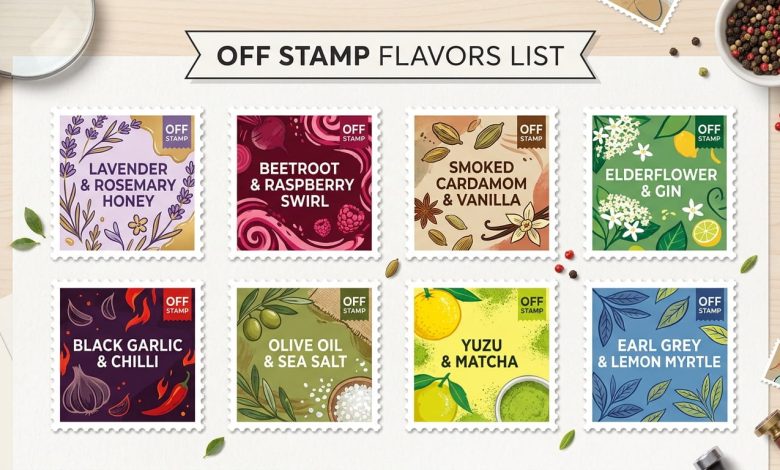
Like most disposable vapes on the market, it delivers nicotine through an inhaled vapor rather than burned tobacco. It’s manufactured and marketed with a wide range of fruit and dessert-style flavor names, a design choice that sits at the center of ongoing regulatory scrutiny, covered in the next section.
FDA Regulation and Legal Status of Disposable Vapes
Every e-cigarette sold in the US legally requires a Premarket Tobacco Product Application (PMTA) authorization from the FDA before it can be marketed. As of 2026, only a small number of products, all tobacco or menthol flavored, have received that authorization.
Flavored disposable vapes, including fruit and dessert flavors, have not received FDA marketing authorization. The FDA has stated that fruit, candy, and dessert flavors carry a higher risk of appealing to teens, which is why nearly every flavored application has been denied or remains unauthorized. This means a flavored disposable vape being widely sold in stores does not indicate it’s legally authorized. It typically means enforcement simply hasn’t caught up to that specific product yet.
Regional and State-Level Rules
Federal authorization is only part of the picture. Several states, including California, Massachusetts, New Jersey, New York, Rhode Island, and Colorado, enforce their own flavor bans on top of federal rules, meaning a product might be sold in one state and restricted in another.
Enforcement has also intensified at the federal level, with increased border seizures of unauthorized shipments and civil penalties for retailers who sell unauthorized products. If you’re outside the US, regulations vary significantly by country, so federal authorization status in America doesn’t tell you anything about legality where you live.
Health and Safety Risks Worth Understanding
Nicotine is addictive regardless of the delivery method, and disposable vapes typically deliver nicotine at concentrations comparable to or higher than traditional cigarettes. Regular use can lead to dependence, and withdrawal symptoms are a real factor for people trying to cut back or quit.
Youth usage remains a significant public health concern. Flavored disposables, with names built around candy and fruit, are specifically cited by regulators as a factor in underage vaping rates, which is part of why flavored products face the toughest FDA review standards.
Counterfeit and unregulated products carry additional risk. Because most flavored disposables lack the safety oversight that comes with FDA authorization, there’s no guaranteed testing standard for ingredients, nicotine concentration accuracy, or manufacturing quality. Counterfeit versions of popular disposable brands have also been documented in the market, compounding the uncertainty around what’s actually inside a given device.
Why Flavored Disposable Vapes Are Controversial
The core tension comes down to a mismatch between who these products are legally intended for and who they appear to appeal to. Disposable vapes are restricted to adults 21 and older in the US, but flavor profiles built around candy, soda, and fruit names closely resemble marketing that would otherwise be restricted for cigarettes specifically because of youth appeal.
Public health researchers and the FDA have pointed to this pattern repeatedly, and it’s a major reason flavored products face far more regulatory resistance than tobacco or menthol versions of the same device. Manufacturers argue flavors help adult smokers transition away from cigarettes, while regulators weigh that potential benefit against documented youth uptake.
How to Verify If a Vape Product Is Legitimate or Authorized
Use this checklist for any vape product, not just the Off Stamp SW16000, before assuming it’s legal or safe to purchase.
- Check the FDA’s authorized product list directly on the FDA’s official website, rather than relying on a retailer’s claims.
- Confirm the flavor category, since only tobacco and menthol flavors have received federal authorization as of 2026.
- Check your state’s specific vape registry or flavor restrictions, since state law can be more restrictive than federal rules.
- Look for consistent packaging and lot numbers, since counterfeit products often have inconsistent print quality, spelling errors, or missing batch information.
- Be skeptical of “pending PMTA” claims, since a pending application is not the same as an approved one and doesn’t make a product legal to sell.
Alternatives and Resources If You’re Trying to Quit
If nicotine dependence is a concern, FDA-approved cessation aids, including nicotine patches, gum, and lozenges, have a documented safety and efficacy record that unauthorized disposable vapes don’t.
The CDC’s free quitline, 1-800-QUIT-NOW, connects callers with coaching and resources at no cost, and it’s available across the US regardless of which product or method you’ve been using. A doctor or pharmacist can also help you weigh cessation options based on your specific situation.
FAQS
Is the Off Stamp SW16000 FDA authorized?
No. As of 2026, the FDA has authorized only a small number of e-cigarette products, all tobacco or menthol flavored, and flavored disposables like the Off Stamp SW16000 are not on that list.
Is it illegal to buy a flavored disposable vape?
Buying for personal use generally carries less legal risk than selling, but enforcement and legality vary by state. Some states have banned flavored vape sales entirely, so a product’s status depends heavily on where you are.
Why does the FDA restrict flavored vapes but allow tobacco and menthol ones?
The FDA has found that fruit, candy, and dessert flavors carry a higher risk of appealing to underage users, while tobacco and menthol flavors are viewed as less likely to attract new, younger users. This distinction drives which flavor categories can pass the federal review process.
How can I tell if a disposable vape is counterfeit?
Look for inconsistent packaging, spelling errors, missing batch or lot numbers, and pricing that seems unusually low compared to authorized retailers. Buying only from licensed retailers reduces this risk significantly.
Are disposable vapes safer than cigarettes?
Vapes are generally considered to expose users to fewer harmful combustion byproducts than cigarettes, but “safer than smoking” isn’t the same as “safe.” Nicotine addiction, unknown long-term effects, and inconsistent product quality remain real concerns.
What should I do if I want to quit vaping?
Contact a doctor, pharmacist, or the CDC’s free quitline at 1-800-QUIT-NOW for cessation support. FDA-approved nicotine replacement options, like patches and gum, offer a more studied path than switching between vape products.
Does “16000 puffs” mean the device is safer because it lasts longer?
No. Puff count relates to device longevity and e-liquid volume, not safety. A higher puff count means more total nicotine exposure over the life of the device, not a reduced health risk per puff.