

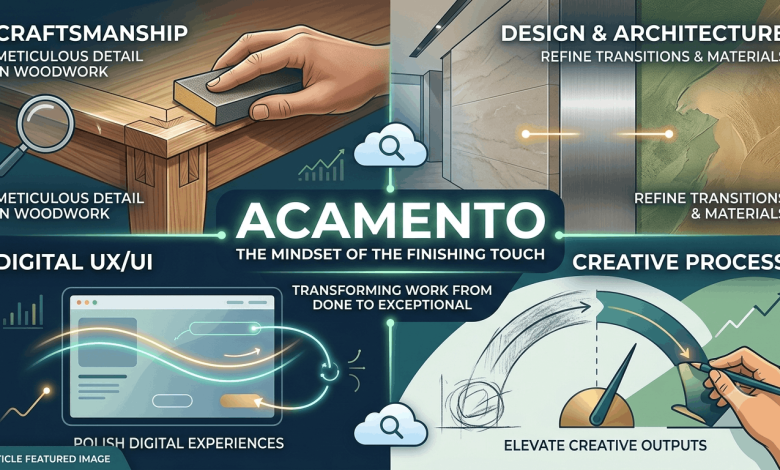
You’ve probably admired a piece of furniture so smooth you couldn’t stop running your hand across it. Or walked into a room where everything just felt right, the walls, the floor, the trim, without quite knowing why. That feeling has a name. It’s called acamento, and once you understand what it means, you’ll start noticing it everywhere.
Acamento refers to the final stage of any creation process, the finishing touch that turns something structurally complete into something truly refined. Rooted in Portuguese, the concept goes far beyond paint and polish. It covers design, craftsmanship, manufacturing, fashion, digital products, and even the way you approach everyday tasks.
This guide breaks down exactly what acamento means, where it comes from, how it’s used across industries, and why the world’s best makers treat it as the most important step of all.
The Origin and Meaning of Acamento
The word acamento traces back to Portuguese, specifically to the verb “acabar,” which means “to finish” or “to complete.” The suffix “-mento” works the same way “-ment” does in English: it turns a verb into a noun that describes a process or result. So acabar becomes acamento, meaning “the act of finishing” or “the state of completion.”
In everyday Portuguese speech, particularly in Brazil and Portugal, the fuller form “acabamento” appears constantly in construction, furniture, and manufacturing. Over time, the shorter form “acamento” gained traction in modern writing, especially online, as a broader concept that stretches beyond purely physical finishing work.
The suffix “-mento” itself comes from Latin and appears across Romance languages in words like “fundamento” (foundation), “conhecimento” (knowledge), and “movimento” (movement). This linguistic background gives acamento a certain depth. It’s not a made-up buzzword. It carries centuries of language evolution behind it.
Acamento vs. Acabamento: What’s the Difference?
These two terms are closely related and often used interchangeably, but there’s a subtle distinction worth knowing.
Acabamento is the original Portuguese term, most commonly applied in physical contexts like construction, carpentry, and textile manufacturing. It refers specifically to the finishing processes applied to materials: paint, polish, coating, sealant.
Acamento is used more broadly today. It covers both physical and non-physical finishing, including the quality of a digital product, the refinement of a written piece, or the overall completeness of any work. Think of acamento as the mindset and acabamento as one of its practical applications.
What Acamento Means in Different Industries
The same core idea, finishing something with care and precision, shows up differently depending on the field. This is what makes acamento such a versatile concept.
Acamento in Construction and Interior Design
In construction, acamento is everything that happens after the structural work is done. Walls need painting. Floors need tiling, sealing, or polishing. Trim needs cutting, fitting, and finishing. Lighting fixtures go in. Surfaces get their final treatment.
None of this is decorative afterthought. A well-executed acamento in a building protects surfaces from moisture and wear, improves indoor air quality when low-VOC materials are used, and directly affects the property’s market value. Two buildings with identical structural quality can differ enormously in perceived value based solely on the quality of their finishing work.
Interior designers treat acamento as a discipline in itself. They choose finishes based on light reflection, texture underfoot, durability under daily use, and how different surfaces interact with each other. A matte wall paired with polished stone flooring creates a deliberate contrast. A brushed metal fixture against a warm wood surface says something intentional. That kind of decision-making is acamento thinking in action.
Acamento in Furniture and Woodworking
Raw wood is structurally sound but visually incomplete. It absorbs moisture, ages unevenly, and shows every scratch. The acamento process for wood typically involves sanding through multiple grits, applying stain or primer, adding a protective finish (lacquer, varnish, oil, or wax), and sometimes hand-rubbing between coats for an ultra-smooth result.
The difference between a piece of raw timber and a beautifully finished hardwood table is entirely acamento. The structure didn’t change. The material didn’t change. But the finishing work transforms the object completely, making it more durable, more attractive, and worth significantly more.
Acamento in Fashion and Textiles
In garment production, acamento covers everything that happens after the main seams are sewn. Hems get rolled or overlocked. Edges get bound or finished. Buttons and buttonholes are placed with precision. Seams get pressed flat. Labels are attached cleanly.
A well-finished garment holds its shape longer, feels better against skin, and communicates quality at a glance. When you pick up two shirts made from identical fabric, one feels cheap and the other feels expensive, the difference is almost always acamento.
High-end fashion brands invest heavily in this stage. The finishing on a couture piece can take more time than the cutting and sewing combined.
Acamento in Manufacturing and Product Design
In manufacturing, acamento refers to surface treatments applied after a product’s core structure is assembled. For metal components, this might mean grinding, polishing, anodizing, powder coating, or applying anti-corrosion treatments. For plastic products, it includes texturing, painting, and applying tactile finishes. For electronics, it covers the feel of buttons, the smoothness of a hinge, and the quality of any surface coating.
These finishing decisions directly affect how a product feels in a consumer’s hands. They also affect durability. A metal part with proper acamento resists rust, handles heat better, and lasts longer in service. Skipping this stage, or doing it poorly, shortens product life and increases warranty claims.
Acamento in Digital Products and Software
The concept translates cleanly into the digital world. When a software product or website goes through acamento, the focus shifts to user experience details: button spacing, animation timing, font rendering, loading states, error messages, and micro-interactions.
A developer can build a fully functional app. But without digital acamento, it feels rough. Buttons are slightly off-center. Transitions feel abrupt. Text is hard to read. Users don’t always identify these issues explicitly, but they feel them. They describe the product as “not polished” or “hard to use,” even when the core functionality works perfectly.
The most admired digital products, the ones that feel effortless and intuitive, get there because their teams treated the finishing stage as seriously as the build stage.
Why Acamento Matters: The Philosophy Behind the Finish
Acamento is not just a technical process. It represents a way of thinking about work.
The basic philosophy is this: the last step deserves as much attention as the first. Rushing through finishing, treating it as a formality, or skipping it entirely undermines everything built before it. A foundation can be perfect. The framing can be perfect. But if the finishing is careless, that’s what people see and remember.
This mindset connects to broader ideas about craftsmanship and intentionality. Makers who take acamento seriously are saying, in effect, that the person using this object or space deserves to receive it in its best possible form. That’s not just good business practice. It’s a form of respect.
There’s also a practical argument. Products and spaces with high-quality finishing last longer. They require less maintenance. They hold their value better over time. The upfront investment in proper acamento pays back repeatedly across the life of the product.
How to Choose the Right Acamento for Any Project
Not every project calls for the same finishing approach. Getting acamento right means matching the finish to the context. A few key questions help narrow it down.
First, think about function. Will the surface face heavy daily use? A kitchen countertop needs a finish that handles heat, moisture, and cutting forces. A decorative wall panel in a low-traffic hallway doesn’t face those pressures.
Second, consider the visual goal. Matte finishes reduce glare and create a calm, modern feel. Glossy finishes reflect light and add energy to a space. Brushed or textured finishes add depth and visual interest while hiding minor scratches better than polished surfaces.
Third, think about material compatibility. Not every finish works on every material. Oil-based finishes penetrate wood beautifully but don’t adhere well to metal. Powder coatings work excellently on metal but can’t be applied to most fabrics.
Fourth, factor in maintenance. Some finishes require regular reapplication. Others seal permanently and need only occasional cleaning. If the end user isn’t likely to maintain a high-maintenance finish properly, choose something more forgiving from the start.
Fifth, weigh sustainability. Water-based finishes have come a long way in quality and now match solvent-based options in many applications, with significantly lower environmental impact. Sustainable acamento options are growing in availability and are increasingly preferred by designers working to meet green building standards.
Common Types of Acamento Finishes Explained
Different materials and contexts call for different finishing approaches. These are the most widely used types across construction, furniture, and product design.
Matte finishes absorb light rather than reflecting it. They’re popular in modern interior design for walls and furniture because they create a soft, low-contrast look. The tradeoff is that they can show fingerprints and scuffs more visibly than other options.
Glossy finishes reflect light sharply and create a sense of depth and richness. They’re common in high-end furniture, lacquered cabinetry, and product exteriors. They’re harder to apply well and any surface imperfection shows clearly beneath them.
Brushed finishes are achieved by texturing a surface in one consistent direction, most often seen on metals like stainless steel or aluminum. The directional texture catches light differently from different angles and hides minor scratches well.
Polished finishes bring a surface to its maximum smoothness and reflectivity through successive abrasion stages. Polished stone, polished metal, and high-gloss lacquered wood all fall into this category.
Textured finishes add tactile or visual interest through deliberate surface variation. They can simulate wood grain, stone, leather, or completely abstract patterns. They’re often chosen for their practical grip or for making surfaces feel more natural.
Satin finishes fall between matte and glossy, offering some light reflection without the high-maintenance demands of full gloss. They’re a popular choice for woodwork, walls, and metal fixtures where a clean but not overly shiny look is desired.
Acamento in Everyday Life
You don’t need to be in construction or manufacturing to benefit from acamento thinking. The concept applies anywhere work reaches a final stage.
A written document gains from a finishing pass focused entirely on clarity, spelling, and formatting rather than content. A meal presented thoughtfully on a clean plate feels different from the same food dumped hastily into a bowl. A garden maintained through the growing season but properly put to bed in autumn looks cared-for through winter.
These are all expressions of the same idea: that the final stage of any effort is where quality is either confirmed or undermined. Taking it seriously doesn’t require more time, just more intention.
Frequently Asked Questions About Acamento
What does acamento mean?
Acamento means the finishing stage of any process, where a product, space, or piece of work is refined, polished, and brought to its highest quality. The word comes from the Portuguese “acabamento,” meaning completion or final touch, and covers both physical finishing processes and the broader mindset of completing work with care.
Where does the word acamento come from?
Acamento comes from Portuguese, derived from the verb “acabar” meaning “to finish,” plus the suffix “-mento” which forms nouns indicating a process or result. The term is most commonly associated with Brazilian Portuguese usage in construction, manufacturing, and design, though its use has spread as an English-language concept covering quality finishing across many fields.
What is the difference between acamento and acabamento?
Acabamento is the original, fully formed Portuguese word most often used in physical finishing contexts like construction and manufacturing. Acamento is a modern, slightly simplified form used more broadly to cover both physical and conceptual finishing, including digital products, personal work, and quality-focused processes in any field.
How is acamento used in construction?
In construction, acamento refers to all finishing work done after the structural build is complete. This includes painting, tiling, plastering, floor polishing, trim installation, lighting setup, and surface sealing. It’s the stage that determines how a finished space looks, feels, and performs over time, and it directly affects property value.
Why is finishing quality important in product design?
The finishing quality of a product shapes how users perceive it, how long it lasts, and how much they’re willing to pay for it. A product with poor finishing feels cheap regardless of its structural quality. Good acamento protects surfaces, communicates craftsmanship, builds brand trust, and reduces long-term wear and maintenance needs.
Can acamento apply to digital products?
Yes. In digital product design, acamento refers to the final layer of refinement applied to user interfaces, interactions, and experiences. This covers typography, spacing, animation smoothness, micro-interactions, and the overall polish that makes a product feel effortless to use rather than technically functional but rough.
What are the most common types of acamento finishes?
The most common types include matte, glossy, satin, brushed, polished, and textured finishes. Each suits different materials and environments. Matte finishes work well in calm modern spaces. Glossy finishes suit high-end furniture and cabinetry. Brushed finishes are popular on metal surfaces. Textured finishes add visual or tactile interest across a wide range of applications.
What is sustainable acamento?
Sustainable acamento refers to finishing processes that minimize environmental impact. This includes water-based paints and coatings (which release fewer volatile compounds than solvent-based alternatives), natural oils and waxes for wood finishing, recycled or low-impact materials, and processes that reduce waste and energy consumption at the finishing stage.
How do I choose the right acamento for a furniture project?
Match the finish to the function first. Heavy-use surfaces need durable, easy-clean finishes. Decorative pieces with lower daily contact can handle more delicate options. Then consider aesthetics, checking how the finish interacts with surrounding materials and light. Finally, think about maintenance, how often can the owner realistically care for this surface over the years ahead.
Is acamento only relevant to physical materials?
No. The concept of acamento has expanded well beyond physical materials. It applies to any process with a finishing stage, including writing, software, cooking, project management, and personal organization. The core idea, that the final step deserves deliberate attention and care, translates into any discipline where quality and completeness matter.
Apply Acamento Thinking to Your Next Project
Whether you’re renovating a home, building a product, designing an interface, or simply finishing a report, acamento thinking pushes you to treat the final stage as seriously as any other. The finish isn’t where you cut corners. It’s where you either confirm or undermine everything that came before it.
The quality people remember, the surfaces they touch, the spaces they feel at ease in, and the products they trust, almost always come down to how well someone handled this last stage.
For more on craftsmanship, design quality, and the details that set great work apart, explore related topics on Reuterings.com, including guides on interior design principles, product quality standards, and the fundamentals of great construction finishing.