
Picture this: you’re lining up a cut shot under pressure, and the last thing you need is your cue twisting or deflecting off-line because the wood shaft couldn’t hold true. That’s exactly the problem carbon fiber cues solve, and it’s exactly why players across the United States are switching faster than ever. Right in the middle of that shift sits Quarter King Billiards, a brand that’s been turning heads at pool halls from coast to coast. If you’ve been hearing the name and wondering whether the buzz is real, this article breaks down what Quarter King is building, why carbon fiber cues are taking over, and what it all means for your game.
What Is a Carbon Fiber Cue and Why Does It Matter?
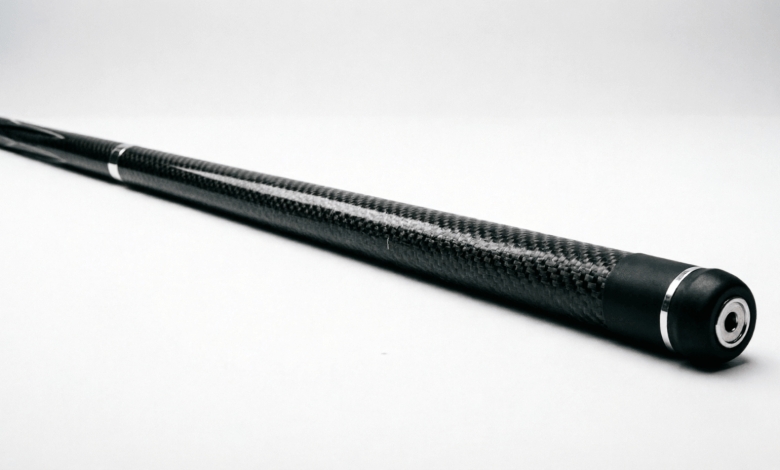
A carbon fiber cue is a pool cue with a shaft made from woven carbon fiber composite material instead of traditional maple or ash wood. That difference sounds simple, but it changes nearly everything about how the cue performs.
Wood is organic. It reacts to humidity, temperature shifts, and the oils from your hands. Over time, even a premium maple shaft can develop a slight warp or bend, especially if you store it in a car trunk during summer or a damp garage in winter. Carbon fiber doesn’t do that. The material is dimensionally stable, meaning the shaft stays straight regardless of what environment you put it in.
The performance benefits go beyond just staying straight. Carbon fiber shafts produce significantly lower deflection, also called “squirt,” when you apply side spin. That means when you use English, the cue ball goes closer to where you aimed. Players who make the switch often describe feeling like they finally understand spin control for the first time.
The Science Behind Low-Deflection Shafts
Traditional deflection happens because the tip of a wood shaft pushes sideways slightly when it strikes the cue ball off-center. The heavier the shaft tip, the more it deflects. Carbon fiber construction lets manufacturers build a shaft that is both stiff and lightweight at the tip, which minimizes that lateral movement dramatically.
Quarter King Billiards uses a high-modulus carbon fiber layup in their shafts, which means the fiber weave is engineered for rigidity in exactly the directions that matter during a stroke. You get a consistent response shot after shot, which is something even expensive wood shafts can’t always promise.
Quarter King Billiards: Who They Are and Where They Came From
Quarter King Billiards didn’t arrive at the top of the U.S. market by accident. The brand was built on a clear thesis: serious players deserve carbon fiber performance without paying luxury-brand prices, and casual players deserve cues that actually make them better.
The company has positioned itself squarely in the space between budget beginner cues and ultra-premium custom builds. That’s a smart lane to own, because it’s where the largest chunk of active U.S. pool players actually lives. Most people playing pool regularly aren’t touring professionals, but they’re not beginners either. They want gear that respects their game.
Quarter King leaned into that identity early. Their marketing speaks directly to bar players, league competitors, and recreational players who take their game seriously without treating every session like a televised event. That tone resonated, and the brand’s following grew quickly through word-of-mouth in pool halls and online billiards communities.
The Products That Built the Reputation
Quarter King’s lineup centers on their carbon fiber shaft offerings, which are compatible with standard joint systems so players can pair them with existing butt pieces. This matters because it lowers the barrier to entry. You don’t have to replace your entire cue to experience carbon fiber, you just swap the shaft.
Their full cue builds feature clean aesthetics without the over-designed look that some players find distracting. The wraps are comfortable, the joints are solid, and the ferrule-to-tip setup is dialed in for consistent feedback. Players who’ve played with cheaply assembled carbon fiber cues from generic manufacturers often notice the difference in Quarter King’s quality control almost immediately.
Weight options, taper profiles, and tip choices give buyers real flexibility. That level of customization at their price point is part of why the brand keeps showing up in conversations about the best value in carbon fiber billiards equipment.
Why Carbon Fiber Cues Are Taking Over U.S. Pool Halls
Five years ago, carbon fiber cues were mostly a topic of debate on billiards forums. Today, you’ll spot them at amateur leagues, local tournaments, and recreational games in pool halls from Texas to New York. The shift happened for a few connected reasons.
First, the price came down. Early carbon fiber cues from top-tier manufacturers like Predator, with their REVO shaft, were priced well above what most players would spend. As more brands entered the market and production scaled up, the technology became accessible at the $150 to $400 range, which is where most serious recreational players shop.
Second, word spread through communities. Pool players talk. When someone in your Tuesday night league starts drilling shots with a new carbon fiber cue and their shape game improves noticeably, people pay attention. Quarter King benefited enormously from this kind of organic social proof.
Third, the pandemic-era pool boom brought a wave of new players into the sport who had no wood-shaft loyalty to overcome. They came in open-minded, read the reviews, and bought carbon fiber from the start. Many of those players chose Quarter King based on value and community recommendations.
Carbon Fiber vs. Wood: The Real Comparison
The debate between carbon fiber and wood cues is real, and both sides have genuine points worth understanding.
Wood cues, particularly those made from quality maple, have a feel that many experienced players love. The feedback through the shaft, often called “feel,” can be richer and more nuanced. Some top players argue that wood allows them to sense the contact between tip and ball more precisely.
Carbon fiber cues offer consistency and durability that wood can’t match. The low-deflection performance is measurable, not just subjective. For players who use a lot of side spin or who play in varying environments, carbon fiber removes variables that wood introduces.
The honest take: if you’re a purist who’s spent years dialing in a wood shaft, the switch to carbon fiber takes adjustment. If you’re building your game from scratch or you’ve always struggled with spin control, carbon fiber is likely to help you more than it hurts.
Quarter King’s shafts have a playing feel that sits closer to the wood end of the spectrum than some competitors, which is a design choice that helps players transition without feeling like they’ve changed sports.
What the Growth of Quarter King Means for the Cue Market
Quarter King’s rise is part of a broader pattern in the billiards equipment industry. Legacy brands that dominated for decades are now competing with a new generation of companies that combine modern materials science with direct-to-consumer business models.
Traditional cue makers built their reputations on wood craftsmanship. That’s still valuable, but it’s no longer the only way to earn respect in the market. Players care about performance data, shaft specifications, and peer reviews more than brand heritage when they’re making a buying decision.
Quarter King understood that shift and built accordingly. Their online presence speaks the language of the modern buyer. Their products are designed to be photographed, reviewed, and talked about. In a market where discovery happens through YouTube channels, Reddit threads, and Instagram pages run by pool enthusiasts, that approach compounds quickly.
The brand’s growth also puts pressure on mid-tier competitors who’ve been coasting on name recognition. When a newer company can offer comparable or better performance at a lower price point with better customer communication, the old playbook stops working.
Tournament Legality and Competitive Play
One question that comes up constantly in billiards communities is whether carbon fiber cues are legal for tournament play. The answer depends on the organization.
The Billiard Congress of America (BCA) allows carbon fiber shafts in sanctioned play. Most amateur league structures follow similar guidelines. Where restrictions sometimes appear is in specific high-stakes events or events run by organizations that have their own equipment rules.
Quarter King cues are built within standard specifications for tip diameter, cue length, and weight that meet competitive guidelines for most organized play in the United States. If you’re planning to compete, always check the specific ruleset for your event, but in the vast majority of cases, you’ll be fine.
How to Choose the Right Carbon Fiber Cue From Quarter King
Buying a cue is personal. The right choice depends on how you play, what your weaknesses are, and what you want to feel in your hands during a match.
If you play a lot of English and struggle with cue ball control, prioritize shaft stiffness and low deflection. Quarter King’s carbon fiber shafts are built specifically to minimize squirt, which directly addresses spin control.
If you play straight pool or games that reward precise object ball placement over cue ball movement, the consistency of a carbon fiber shaft still helps because your tip impact point stays more predictable across a long session.
For players upgrading from a wood cue, Quarter King’s full cue packages offer a familiar weight and balance that reduces the adjustment period. For players building a new setup from scratch, their shaft-only options let you pair carbon fiber performance with a butt piece you already know and like.
Specs to Look For When Buying
A few specifications matter more than others when you’re comparing carbon fiber cues:
Shaft diameter at the tip is typically 12.5mm to 13mm. Smaller diameters favor English play; larger diameters suit power shots and players with a looser bridge hand. Quarter King offers options across that range.
Cue weight is usually adjustable between 18 and 21 ounces through weight bolts. Most players land between 19 and 20 ounces. If you’re not sure, start in the middle and adjust based on how your stroke feels after a few sessions.
Joint type determines compatibility. The most common joint systems in the U.S. market are the 5/16×18 and the Uni-Loc style. Quarter King products cover both, which makes their shafts compatible with a wide range of existing cue butts.
Frequently Asked Questions About Carbon Fiber Cues and Quarter King Billiards
What is a carbon fiber cue?
A carbon fiber cue is a billiards cue with a shaft made from carbon fiber composite instead of wood. The material stays straight in all weather conditions, produces lower deflection on off-center hits, and typically lasts longer than wood with less maintenance required.
Is a carbon fiber cue better than a wood cue?
For most recreational and competitive players, yes. Carbon fiber shafts deliver more consistent performance, especially on shots with side spin. Wood cues can offer a richer tactile feel, but that advantage shrinks as your game develops and consistency becomes the priority.
Are carbon fiber cues legal in tournaments?
Most major organizations including the BCA allow carbon fiber shafts. Specific events may have their own rules, so always verify with the tournament director before you show up with a cue. Quarter King cues meet standard competitive specifications for the vast majority of organized play.
How much does a good carbon fiber cue cost?
Quality carbon fiber cues range from around $150 on the low end to over $800 for premium builds. Quarter King sits in the mid-range, offering competitive performance at a price point that makes carbon fiber accessible without requiring a major investment.
Does a carbon fiber shaft warp?
No. Carbon fiber is dimensionally stable and does not warp from humidity, heat, or cold. That’s one of the core reasons players switch from wood, especially if they live in climates with significant seasonal changes or if they travel frequently for matches.
What makes Quarter King Billiards different from other brands?
Quarter King focuses on the mid-tier player who wants real performance without a premium price tag. Their cues are built with high-modulus carbon fiber shafts, quality joint hardware, and a playing feel that’s been dialed in for players transitioning from wood, setting them apart from generic budget brands.
How do you maintain a carbon fiber cue?
Carbon fiber shafts require almost no maintenance compared to wood. Wipe the shaft down with a clean cloth after play to remove chalk and oils. Check the tip for wear and replace it when it mushrooms or loses shape. You don’t need to sand, burnish, or condition the shaft the way you would with wood.
Can beginners use a carbon fiber cue?
Yes, and many instructors now recommend carbon fiber for beginners because the consistency of the shaft removes variables that can confuse new players. When a shot goes wrong with a carbon fiber cue, it’s more clearly the player’s fault rather than shaft deflection, which actually speeds up learning.
The Bigger Picture for U.S. Billiards
The pool industry in the United States has been through cycles of growth and contraction over the decades. What’s happening now feels different. The combination of new players entering the sport, streaming content making billiards more visible, and equipment technology improving at an accessible price point is creating real momentum.
Quarter King Billiards is one of the clearest examples of a brand that caught that wave early and built something real with it. Their growth isn’t just a story about a good product, it’s a story about reading the market correctly and speaking to players who felt underserved by the existing options.
If you’re thinking about making the move to carbon fiber, or if you’re looking for a cue that can grow with your game without asking you to spend like a touring pro, Quarter King deserves a serious look. Check out related coverage on reuterings.com covering the best billiards gear for competitive players and how modern pool equipment is changing amateur leagues across America.