
Search “Ezzocard” and you’ll run into a confusing mix of domains, review scores that swing from glowing to furious, and more than a few sites copying the name outright. Before you take any of those results at face value, it helps to know what Ezzocard actually is, where it came from, and what real customers have reported over the years. This is a factual look at the service — not a buying guide, just the documented facts.
What Is Ezzocard?
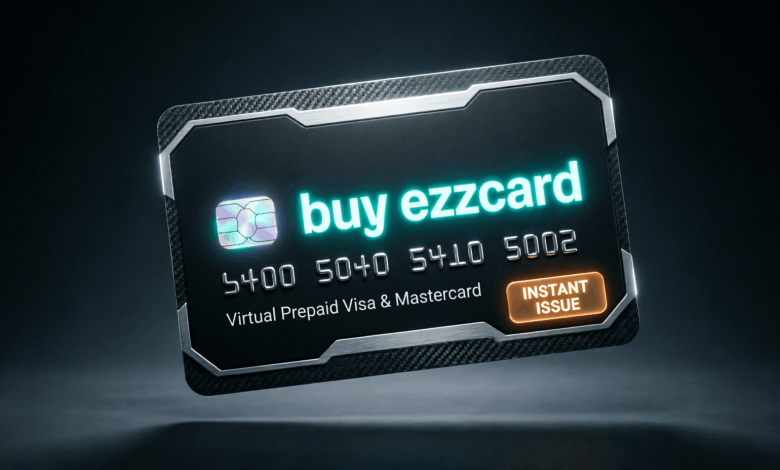
Ezzocard is a virtual prepaid card service that issues single-use Visa and Mastercard numbers for online payments. According to the company’s own site, the cards are issued by banks in the United States and Canada, delivered by email shortly after payment, and designed to be used without linking a cardholder’s real identity to the transaction. The cards are prepaid and non-reloadable: you load a set amount, spend it down, and the card is done.
The company markets itself around privacy — letting people pay for goods and services online without exposing a primary bank account or credit card number. It accepts cryptocurrency (Bitcoin, Ethereum, and Tether) as payment for the cards themselves, rather than traditional card or bank transfer options.
Third-party reviews place the company’s founding somewhere between 2016 and 2017, with some sources citing a 2020 start date instead. That inconsistency is common with services that have changed ownership, branding, or domains over time, and it’s one of several details worth treating with some skepticism rather than accepting at face value.
The Domain Situation Is Genuinely Confusing
This is the part that trips up the most people searching for Ezzocard. The service has operated under several different domains over the years, including ezzocard.com, ezzocard.finance, ezzocard.online, and ezzocard.ai. Some of these are described by the company as its current official site at different points in time; others are flagged by independent scam-checking tools as suspicious or low-trust.
Scam-checking services don’t agree with each other consistently. ScamAdviser rated ezzocard.com as “very likely not a scam” based on standard trust signals like SSL certificates and domain age. Scam Detector, on the other hand, gave ezzocard.ai a low trust score and flagged it with tags like “Suspicious” and “Unsafe,” while giving ezzocard.online a mid-range score. That kind of split rating across near-identical domain names is exactly why so many people land on impersonator or clone sites without realizing it — the real service and copycats have used visually similar branding and overlapping naming conventions.
What the Card Lineup Looks Like
Ezzocard’s product lineup includes cards tied to different currencies and billing regions — USD cards aimed at US-based transactions, CAD cards for Canadian billing addresses, and a set of color-coded tiers (names like Violet, Lime, Gold, Yellow, and Teal have all appeared in the company’s marketing at various points) that differ in denomination limits, geographic restrictions, and fees. Denominations have ranged from as little as $5 up to $2,000 depending on the card type.
Pricing sits above face value — a card loaded with a given amount typically costs more than that amount to purchase, which the company frames as the cost of the anonymity and instant delivery it provides.
What Customer Reviews Actually Say
Review platforms show a genuinely mixed picture rather than a one-sided verdict in either direction.
On the positive side, a meaningful number of reviewers describe the service as fast, easy to use, and functional for its stated purpose — paying for subscriptions, shopping on sites that don’t accept their usual payment method, or avoiding sharing a primary card number with unfamiliar merchants. Trustpilot and other review aggregators show ratings in the “good, but not universally loved” range, often in the high 3s to high 4s out of 5, depending on which domain and time period the reviews cover.
On the negative side, recurring complaints follow a consistent pattern:
- Cards being reported as expired or deactivated before the printed expiration date, with the company citing internal issue-date policies that don’t match what’s shown on the card face
- Refund requests going unresolved or taking longer than the timelines advertised
- Cards being declined at merchants that require 3D Secure verification, which not all card tiers support
- Some reviewers describing card values that didn’t match what they expected after crypto conversion and fees
None of this is unusual for the prepaid virtual card category broadly — similar complaints show up across competing services — but the volume and consistency of the refund and expiration complaints specifically are worth knowing about before treating any single five-star or one-star review as representative.
The Clone Site Problem Is Real and Well-Documented
Independent reviewers and the company itself have both pointed to a persistent issue: impostor sites using the Ezzocard name, near-identical branding, and lookalike domains to collect payments — usually cryptocurrency — without ever delivering a working card. Multiple review sources describe this as an active, ongoing problem rather than an isolated incident, which is part of why trust scores vary so widely across different Ezzocard-branded domains.
This pattern isn’t unique to Ezzocard. Any service that markets itself around anonymity and crypto-only payment tends to attract copycats, since there’s no chargeback mechanism to protect a buyer who sends funds to the wrong site.
Frequently Asked Questions About Ezzocard
Is Ezzocard a real company?
Yes, Ezzocard is an operating business that has processed transactions and generated a substantial review history across multiple platforms. Whether a specific domain claiming to be Ezzocard is the genuine service or an impostor is a separate question, and one that trust-checking tools don’t always agree on.
Why are there so many different Ezzocard websites?
The company has changed domains more than once over its history, and multiple unrelated clone sites have also adopted similar names and branding. This has created a landscape where several domains simultaneously claim to be the “official” Ezzocard site.
What’s the most common complaint about Ezzocard?
Refund delays and cards reported as expired or deactivated earlier than expected are the most frequently repeated complaints in customer reviews, alongside occasional merchant declines tied to 3D Secure requirements.
Does Ezzocard have positive reviews too?
Yes. A significant share of reviewers report fast delivery and cards that worked as expected for their intended use. The overall picture across review platforms is mixed rather than uniformly negative.
Is Ezzocard the same as other virtual card providers?
No. Ezzocard is one of several companies offering prepaid virtual cards for online payments. Other providers, such as Privacy.com or bank-issued virtual card features, operate under different business models, payment methods, and verification requirements.
The Bottom Line
Ezzocard is a real, long-operating business rather than a pure scam, but it’s also not a service with a clean, uncomplicated reputation. The mixed trust scores across its various domains, the recurring refund and expiration complaints, and the well-documented clone site problem all point in the same direction: this is a category where doing independent research on the exact domain and card type in question matters more than usual before spending money.
For more on how virtual card services work in general, and how to evaluate similar privacy-focused payment tools, see our broader guides on virtual prepaid card options and safe online shopping practices.