
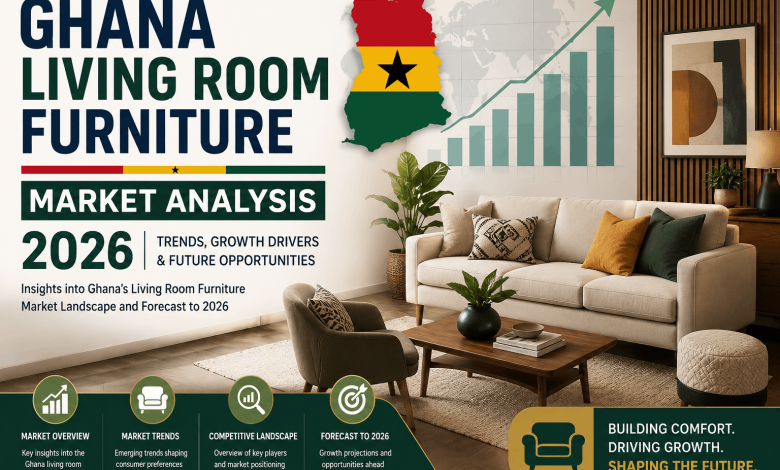
If you’re shopping for furniture in Ghana right now, you’re probably noticing something: the selection has exploded. Whether you’re upgrading your Accra apartment, furnishing a new home in Kumasi, or simply looking for quality pieces that won’t break the bank, understanding what’s actually available in the Ghana living room furniture market has become essential.
The furniture industry in Ghana has transformed dramatically over the past few years. What used to be a limited marketplace dominated by imported goods and a few local manufacturers has become a vibrant, competitive space. New brands are emerging, online shopping options are expanding, and consumers finally have real choices. This shift makes understanding the current state of the market not just interesting, but practically useful for anyone looking to make smart furniture purchases.
The Size and Scope of Ghana’s Furniture Market in 2026
The Ghana living room furniture market has been growing steadily, and 2026 is shaping up to be a significant year for expansion. The market currently values hundreds of millions of dollars across the entire furniture sector, with living room furniture representing one of the largest segments.
This growth isn’t random. Ghana’s rising middle class, increased urbanization, and growing purchasing power have all contributed to stronger demand for quality home furnishings. More Ghanaians are moving to cities, upgrading their living spaces, and investing in home décor. Real estate development in major cities like Accra, Tema, and Kumasi continues to fuel demand for furniture at every price point.
The market also reflects changing consumer preferences. Younger buyers want modern, minimalist designs. Older generations often prefer classic, durable pieces. This diversity has created opportunities for manufacturers and retailers to serve completely different market segments simultaneously.
Major Manufacturers and Brands Operating in Ghana
Understanding who makes furniture in Ghana is crucial if you want to support local businesses and understand what’s really available in your market.
Several Ghanaian furniture manufacturers have built solid reputations over decades. Companies like Furniture Ghana Ltd, which operates production facilities in Accra, produce everything from sofas to dining sets and bedroom furniture. They’ve established themselves as reliable sources for both residential and commercial furniture.
Kasapa Furniture is another significant player, known for their locally-produced upholstered pieces and wooden furniture. They’ve invested in modern manufacturing techniques while maintaining affordability, which has made them popular with middle-class buyers throughout the country.
International brands are also present in Ghana’s furniture market. IKEA isn’t widely available, but other global retailers and brands do ship to Ghana or work through local distributors. This creates an interesting dynamic where local manufacturers compete with imported goods on both price and quality.
Small to medium-sized furniture makers and workshops dot the landscape across Ghana as well. In Accra’s industrial areas and throughout Kumasi, independent craftspeople and small factories produce custom and semi-custom pieces. Many of these businesses operate directly with consumers or through local retailers, offering personalized service that larger operations can’t match.
What’s Trending in the Ghana Living Room Furniture Market
If you’re shopping right now, certain styles and features are dominating conversations in showrooms and online marketplaces.
Contemporary minimalist designs continue gaining ground, especially among younger professionals. Simple lines, neutral colors, and functional pieces appeal to people living in smaller urban apartments where space is precious. Storage-focused designs that pull double duty as both furniture and organizational solutions are particularly popular.
At the same time, traditional and semi-traditional designs remain strong, especially outside major cities and among older consumers. Carved wooden furniture, ornately upholstered pieces, and designs that reflect Ghanaian cultural aesthetics still command significant market share. Many families value these pieces for their durability and cultural significance.
Sustainability is becoming increasingly important, though it’s still developing as a market trend. More consumers are asking about the materials used in furniture production, where wood comes from, and whether manufacturers use eco-friendly practices. Manufacturers who can highlight sustainable sourcing and production methods are gaining competitive advantages.
Affordability remains the dominant factor for most Ghanaian consumers. While some premium furniture markets exist, the bulk of purchases happen in the mid-range price bracket. Manufacturers who can offer good quality at reasonable prices continue to win significant market share.
Price Ranges and Affordability in the Market
One of the most practical questions anyone asks is simple: how much does furniture actually cost?
Basic living room sets in Ghana typically start around GHS 2,000 to GHS 5,000 for a simple sofa, depending on size and material. A basic three-piece set including a sofa and two chairs might run between GHS 3,500 and GHS 8,000 from local manufacturers. These entry-level pieces are durable and functional, though they may not offer extensive customization options.
Mid-range furniture, where most Ghanaian consumers shop, falls between GHS 8,000 and GHS 20,000 for quality living room pieces. In this range, you get better materials, more design options, and increasingly, some customization choices. A quality sofa from established local manufacturers typically costs between GHS 10,000 and GHS 15,000 in this bracket.
Premium furniture pieces start around GHS 20,000 and go significantly higher. Imported pieces, designer items, and high-end custom work occupy this space. Most premium furniture comes from international sources or represents significant custom orders from top local craftspeople.
Prices vary considerably depending on material choice. Sofas upholstered in fabric cost less than leather alternatives. Wooden frames made from imported hardwoods cost more than locally-sourced materials. These variables give consumers considerable control over what they ultimately spend.
Where Ghanaians Buy Living Room Furniture
The ways people shop for furniture have changed substantially in recent years.
Physical showrooms remain the dominant retail channel. Furniture stores concentrated in business districts across Accra, Tema, Kumasi, and other major cities still generate the majority of sales. These establishments let customers see and touch furniture before purchasing, which remains important for major purchases. Established furniture retailers like Ashanti Furniture and various independent shops maintain strong positions through these physical spaces.
Online shopping has exploded in recent years, though it remains less dominant in furniture than in other categories. E-commerce platforms like Jumia Ghana, Tonaton, and direct brand websites now offer significant furniture selections. Online shopping appeals to busy professionals and people in areas where physical showrooms are inconvenient.
Direct manufacturer sales have become increasingly important. Many furniture makers sell directly from their workshops, eliminating middlemen and offering lower prices. This direct model often includes customization options that retailers can’t provide.
Second-hand and refurbished furniture markets have grown too. Platforms connecting used furniture buyers with sellers have become more sophisticated, appealing to budget-conscious shoppers and people seeking specific vintage or imported pieces.
Types of Living Room Furniture Dominating the Market
Different furniture categories attract different levels of demand and represent different portions of overall market spending.
Sofas and sectional seating represent the single largest category by spending. Whether it’s a simple two-seater, a three-piece set, or an L-shaped sectional, seating dominates living room purchases. The variety available is enormous, from basic wooden framed pieces to elaborate upholstered designs.
Coffee tables and side tables represent the second significant category. These pieces range from simple wooden designs costing a few hundred cedis to elaborate glass and metal designs running several thousand. They’re often purchased together with seating or as individual statement pieces.
Entertainment units and TV stands have become increasingly important as more homes acquire televisions and entertainment systems. Modern designs that incorporate storage, cable management, and mounting options are particularly sought after.
Shelving units and storage furniture appeal strongly to apartment dwellers and people managing small spaces. Wall units, bookcases, and shelving systems that combine storage with display functionality continue to grow in popularity.
Accent pieces like chairs, ottomans, and small sofas fill out the category. These items allow consumers to add comfort and style without the expense of a full seating set.
Consumer Preferences Shaping the Ghana Living Room Furniture Market
Understanding what Ghanaian consumers actually want helps explain market trends and what you’ll find available.
Durability ranks as perhaps the top consumer priority. Many Ghanaians buy furniture intending to keep it for years, so quality construction matters enormously. Furniture that can withstand heat, humidity, and heavy use attracts strong demand and commands premium prices.
Aesthetics and style come second. Consumers want furniture that looks good in their homes and reflects their personal taste. This is why both contemporary and traditional designs coexist successfully in the market.
Space efficiency strongly influences purchases, particularly in urban areas where apartments are typically smaller. Multi-functional pieces that serve multiple purposes appeal strongly to this market reality.
Price sensitivity remains a constant factor. While people will spend more for quality, they’re also highly price-conscious. Value for money is the standard by which many consumers evaluate furniture.
Cultural significance influences many purchases too. Furniture that reflects Ghanaian identity and heritage appeals to people who want their homes to express their cultural background.
Manufacturing Challenges and How They Affect You
The furniture manufacturing landscape in Ghana faces real challenges that impact what’s available and what things cost.
Raw material sourcing is increasingly difficult. Quality wood, fabric, and upholstery materials need to be imported or sourced from limited local supplies. This drives up manufacturing costs and limits the variety of designs manufacturers can produce.
Labor costs continue rising, which is actually a positive sign for workers but does impact final prices. Manufacturers must balance paying fair wages with remaining competitive on price.
Competition from cheap imports puts pressure on local manufacturers. Lower-priced furniture from Asia and other regions undercuts some locally-made products, forcing Ghanaian makers to emphasize quality and customization advantages.
Transportation and logistics costs affect both manufacturers and retailers. Moving furniture within Ghana and importing materials adds to final prices in ways consumers don’t always see.
Despite these challenges, local manufacturers continue innovating and finding ways to compete effectively. Many have invested in better equipment, trained skilled workers, and developed loyal customer bases that value local production.
The Future of Ghana’s Furniture Market Through 2026 and Beyond
Several trends suggest where the market is heading over the next several years.
Digitalization will likely accelerate significantly. More businesses will develop stronger online presences, and e-commerce will capture an increasing share of sales. Virtual showrooms, 3D visualization tools, and online customization options will become more common.
Customization will increasingly become a competitive advantage. Consumers want furniture that fits their specific spaces and preferences, and manufacturers who can offer this efficiently will win market share.
Sustainability will become increasingly important, though it will likely remain a secondary concern behind price and quality for most consumers. Manufacturers highlighting eco-friendly practices will attract growing customer interest.
Premium and luxury segments will likely expand as Ghana’s upper-middle class continues growing. This creates opportunities for high-end furniture that didn’t exist in the market a few years ago.
Local manufacturing will probably remain strong despite import competition. The advantages of customization, quick turnaround, and supporting local businesses create a durable market position for Ghanaian makers.
Frequently Asked Questions About Ghana Living Room Furniture Market
What’s the average price for a quality sofa in Ghana right now?
Quality sofas typically range between GHS 10,000 and GHS 18,000 depending on size, material, and brand. Local manufacturers compete on price while imported pieces cost significantly more. Mid-range options offer the best value for most consumers.
Can you get custom furniture made in Ghana?
Yes, absolutely. Many local manufacturers and independent craftspeople offer custom work. You can specify dimensions, materials, colors, and design elements to create pieces tailored to your exact needs. Custom work typically costs more but allows complete personalization.
Are imported furniture pieces better quality than local options?
Not necessarily. Ghana has skilled furniture makers producing excellent quality pieces. The difference often comes down to specific manufacturers rather than whether something is imported or local. Some imported items are higher quality, while some local pieces outperform imported alternatives.
How long does furniture delivery typically take in Ghana?
Showroom stock items can sometimes be delivered within days. Custom orders usually take 3 to 8 weeks depending on complexity. Imported items take longer, sometimes 2 to 3 months. Ask before purchasing to understand realistic timelines.
What warranty coverage is typical for furniture purchases?
This varies widely. Some manufacturers offer 1 to 2-year structural warranties, while others provide less comprehensive coverage. Always clarify warranty terms before purchasing. Get written confirmation of what’s covered.
Is online furniture shopping reliable in Ghana?
It’s become increasingly reliable, though physical inspection before major purchases remains advisable when possible. Reputable platforms like Jumia Ghana and established furniture retailers’ websites offer reliable service. Read reviews and verify seller credentials before purchasing.
What financing options exist for furniture purchases?
Many retailers offer installment plans, and some partner with financing companies to provide credit options. Banks increasingly offer home improvement loans that can cover furniture purchases. Always understand interest rates and terms before committing to financing.
How do climate and humidity affect furniture durability in Ghana?
Ghana’s tropical climate with high humidity demands materials and construction that resist moisture and heat damage. Look for properly treated wood, quality upholstery fabrics, and robust construction. Local manufacturers typically understand these requirements better than distant importers.
Finding Your Perfect Furniture in Today’s Market
The Ghana living room furniture market offers genuine options for buyers at every price point and with every style preference. Whether you’re furnishing your first apartment, upgrading an existing space, or looking for investment pieces that will last decades, understanding the market landscape helps you make smarter decisions.