
You’re lying in bed, eyes glued to the mattress label, and there it is: “CertiPUR-US certified.” You nod like you know what that means, but honestly? Most people have no idea what they’re actually buying — they just know it sounds official.
Here’s the thing: this certification genuinely matters for your health and sleep quality. When you buy a mattress with CertiPUR-US certified foam, you’re getting a product that’s been tested for harmful chemicals, durability, and environmental responsibility. It’s not just marketing fluff. This guide breaks down exactly what this certification means, why mattress companies pursue it, and whether it’s worth paying attention to the next time you’re bed shopping.
Understanding CertiPUR-US Certification
CertiPUR-US is a certification program run by a nonprofit organization that tests the polyurethane foam used in cushioning products. It verifies that foam meets specific standards for content, emissions, durability, and environmental responsibility — essentially a quality seal that confirms the foam in your mattress isn’t packed with questionable chemicals or likely to fall apart after two years.
The foam gets tested in independent labs. Manufacturers submit their formulations, and the labs run a series of tests to confirm the foam meets the program’s standards. If it passes, the company can market the mattress as CertiPUR-US certified. This isn’t a one-time stamp of approval, either — manufacturers have to maintain compliance and go through annual audits to keep the certification valid.
What Gets Tested in CertiPUR-US Foam
The certification covers four main areas, and each one has a real impact on how your mattress performs and how safe it is.
Chemical Content and Emissions
This is the big one for most people. The foam is tested for volatile organic compounds (VOCs) — chemicals that release into the air. New mattresses can smell a bit off when they arrive, and that smell is usually off-gassing from the foam. CertiPUR-US certified foam has strict VOC limits, so your mattress won’t stink up your bedroom for weeks.
Testing also screens for banned substances like CFC and HCFC blowing agents, heavy metals, and phthalates. These either damage the environment or pose health risks, so certified foam manufacturers avoid them entirely. You’re not breathing in anything you shouldn’t be.
Durability and Resilience
Lab equipment compresses the foam thousands of times to simulate years of everyday use. This shows how well the foam holds up and whether it’s likely to develop body impressions or go flat within the first year. CertiPUR-US foam has to retain at least 65% of its original thickness after this accelerated wear test, which means your mattress should keep its support and comfort for a reasonable stretch of time.
Flame Resistance
Every mattress sold in the United States has to meet federal flammability standards. CertiPUR-US foam meets that requirement without relying on heavy flame retardant chemicals — manufacturers use safer approaches instead. That means you get the required safety without the extra chemical exposure.
Environmental Responsibility
The certification also sets standards for water usage, energy consumption, and waste management during manufacturing. It might sound like a corporate responsibility checkbox, but in practice, it tends to reflect production practices that correlate with better quality control overall.
Why Mattress Companies Seek CertiPUR-US Certification
Not every mattress brand pursues this certification, and that distinction matters. Getting foam tested and certified costs money, and maintaining it through ongoing audits costs even more. Companies that choose to do it anyway are making a statement about product quality.
Reputable brands use CertiPUR-US certified foam because it signals to customers that they’ve invested in better materials, and it’s become something of an industry standard in the mid-to-premium mattress market. If you’re shopping from a brand you already trust, you’ll likely see this certification listed somewhere on the label or product page.
Some smaller or budget brands skip certification simply because the cost adds up. That doesn’t automatically mean their foam is bad — it just means you have less independent verification of what you’re getting.
CertiPUR-US Certified Foam Across Mattress Types
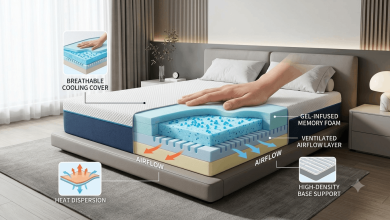
Memory foam mattresses are the most common type using CertiPUR-US certified foam, mainly because memory foam is the dominant material in modern mattress construction. Hybrid mattresses often include certified foam in their comfort layers, even when a coil support system sits underneath.
Latex mattresses don’t use CertiPUR-US certified foam, since latex is an entirely different material with its own certifications, like Oeko-Tex or GOTS for organic latex. Innerspring mattresses might contain small amounts of polyurethane foam, but it’s rarely a main component.
Some all-foam mattresses use certified foam throughout the entire build, from base to comfort layer. Others mix certified foam with uncertified materials. The best move is to check the label and see exactly where the certified foam sits within the mattress.
Practical Benefits You’ll Actually Notice
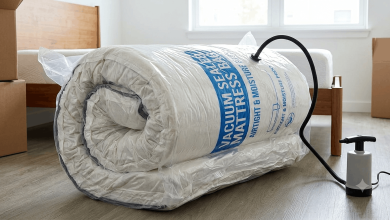
So what does this certification actually mean for your sleep experience? For starters, less off-gassing smell when you unbox the mattress. New mattresses always have some smell, but CertiPUR-US foam keeps it minimal and short-lived.
Your mattress should also stay more stable over time. Because the foam has passed durability testing, you’re less likely to find yourself three years in with a mattress sagging under your body weight — the support structure holds up.
You’re also breathing cleaner air in your own bedroom. If you’re sensitive to chemicals, or you simply care about air quality in your space, certified foam reduces the chemical load around you — especially relevant if you share that space with kids or pets.
For anyone with allergies or chemical sensitivities, CertiPUR-US certification offers real peace of mind. You know the foam meets strict standards and doesn’t contain phthalates or other common irritants.
Common Questions About CertiPUR-US Certified Foam
Is CertiPUR-US certification the same as being hypoallergenic?
No. CertiPUR-US certified foam is tested for chemical content and durability, while “hypoallergenic” refers to a mattress’s resistance to dust mites, mold, and allergens. You can have a certified mattress that isn’t hypoallergenic, or the reverse. If allergies are your main concern, look for both certifications, or a mattress specifically built with allergen-resistant covers.
Does CertiPUR-US certified foam cost more?
Generally, yes. Certification adds to manufacturing costs, so you’ll typically pay a bit more for a mattress with certified foam versus an uncertified equivalent. The added durability often justifies the price difference, though, since your mattress tends to last longer and hold its shape better.
Can I trust CertiPUR-US certification more than other foam certifications?
CertiPUR-US is one of the more rigorous certifications for polyurethane foam in the mattress industry. Other certifications exist, but this one has consistent, publicly available standards and regular third-party testing behind it, which makes it a solid indicator of quality.
What percentage of a mattress needs to be CertiPUR-US certified for it to carry the label?
Manufacturers can label a mattress as CertiPUR-US certified as long as its polyurethane foam components meet the standard. Some mattresses certify their entire foam structure, while others certify specific layers only. It’s worth checking the label to see exactly which parts of the mattress are covered.
Does CertiPUR-US certification guarantee my mattress will be comfortable?
No. Comfort is subjective, and certification doesn’t test for firmness or feel. What it does guarantee is that the foam is safe, durable, and free of harmful chemicals. A certified mattress can still end up being too firm or too soft for your personal preference.
How long does the certification last?
Manufacturers have to renew their CertiPUR-US certification on a regular basis, typically through annual audits. If you’re buying from a reputable brand, you can generally assume their certification is current and verified.
Making Your Next Mattress Purchase
When you’re shopping for a new mattress, CertiPUR-US certification is a useful data point, though it’s not the only one that matters. Treat certified foam as a signal that the manufacturer cares about quality control and your health, and pair it with other factors like return policies, warranties, and reviews from actual buyers.
If you deal with chemical sensitivities or allergies, or you simply want confidence that your mattress was made with safety standards in mind, prioritize CertiPUR-US certified foam. It’s a legitimate, verifiable way to vet a purchase before you bring it into your bedroom.