
You’re scrolling through mattress listings at 11 PM, exhausted after another night of tossing and turning, and you spot it: “vacuum sealed hybrid mattress.” It sounds fancy, maybe a little mysterious. What does it actually mean, and will it really help you sleep better, or is it just another marketing term designed to separate you from your money?
Here’s the short answer: vacuum sealed hybrid mattresses are genuinely changing how people sleep. Whether you’re a hot sleeper, a side sleeper, or someone who’s tried everything and still can’t get comfortable, understanding how this technology works could be the missing piece. Below, we break down exactly how vacuum sealing works, why hybrid construction matters, and how to tell if one of these mattresses is right for you.
What Does “Vacuum Sealed” Actually Mean?
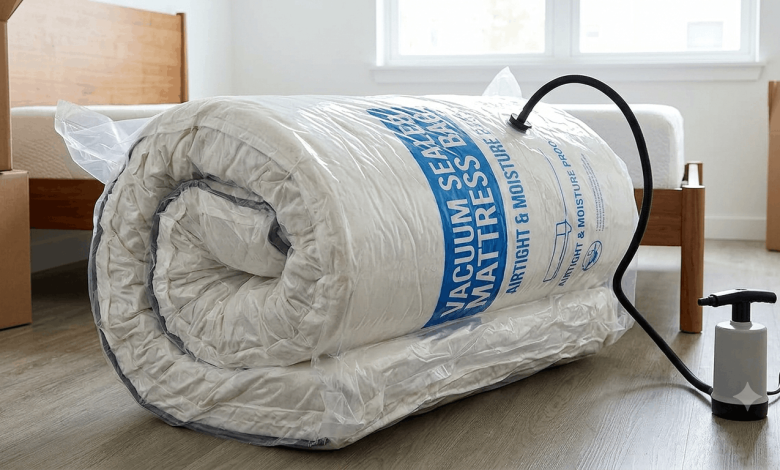
When a mattress is vacuum sealed, industrial equipment compresses it and removes the air trapped inside the foam and coils. This shrinks the mattress down to a fraction of its original size so it can fit into a box small enough to carry through a doorway or up a narrow staircase. You’ve probably seen the videos: someone pulls a compressed mattress out of a box and watches it slowly expand over the next day or two, almost like magic.
It’s not just about convenient delivery, either. Vacuum sealing protects the mattress in transit. Without compression, getting a full-size mattress to your apartment would mean a delivery truck, a couple of extra hands, and the kind of logistics headache that makes people seriously consider just sleeping on the floor. The sealed packaging also keeps out dust, dirt, and moisture while the mattress travels from the factory to your bedroom.
Expansion happens on its own once you open the box. As soon as you cut the outer seal, the foam and coils start pulling in air and gradually return to their intended shape and firmness. Most mattresses hit full expansion within 48 hours, though some people notice the material continuing to soften slightly over the following week or two as everything settles in.
Understanding Hybrid Mattress Construction
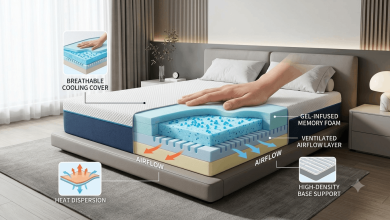
A hybrid mattress combines two or more support systems in a single bed. Typically, that means a base layer of coils topped with layers of foam, gel, latex, or some combination of the three. The goal is to get the best of both worlds: the responsiveness and airflow of coils, plus the pressure relief of foam.
Traditional innerspring mattresses rely on coils alone, which can feel bouncy and sometimes provide uneven support. Memory foam mattresses hug your body beautifully but tend to trap heat and feel sluggish when you move. A hybrid solves both problems by pairing the bounce and breathability of coils with the body-conforming comfort of modern foam.
The coil layer usually sits at the bottom and forms the structural base. Above it, manufacturers stack different types of foam — cooling gel foam near the surface, latex in the middle for responsiveness, and denser support foam underneath. The result is a sleep surface that’s comfortable and supportive, responsive and stable, all at once.
How Hybrid Construction Improves Sleep Quality
The mix of materials in a hybrid mattress tackles several sleep problems at the same time. If you sleep hot, the airflow from the coils combined with cooling gel foam or latex helps keep temperatures down. If certain areas of your body need extra support, the varying foam densities distribute your weight more evenly than foam alone ever could.
Motion isolation is another win. The foam layers absorb movement, so when your partner rolls over or gets up in the middle of the night, you’re far less likely to feel it. Meanwhile, the coils underneath provide a responsive bounce that keeps you from feeling stuck in the mattress. You get the stability of coils without the springy sensation that used to keep people up.
Durability improves too. Hybrids tend to outlast all-foam or all-spring mattresses because no single component is carrying all the weight and stress on its own. The load gets distributed, which means less compression and breakdown over time. A quality hybrid should give you 8 to 10 years of consistent support, sometimes longer.
The Role of Vacuum Sealing in Mattress Longevity
Here’s something most shoppers never think about: vacuum sealing protects the mattress from the moment it leaves the factory. Removing the air and sealing the package keeps moisture, dust, and other contaminants from damaging the materials during shipping and storage.
When you open a vacuum sealed mattress and let it expand properly, the materials settle into their intended configuration instead of being crushed or left exposed to environmental stress for weeks. The foam holds its designed density, the coils aren’t pre-compressed, and the whole mattress performs the way it’s supposed to from night one.
The expansion process matters more than people realize. Rushing it won’t damage the mattress, but giving it the full 24 to 48 hours manufacturers recommend allows the layers to bond properly and lets every material reach its true firmness level before you start sleeping on it regularly.
Vacuum Sealed Hybrid vs. Traditional Mattresses
Compared to a traditional spring mattress delivered by truck, a vacuum sealed hybrid has some clear advantages. There’s the obvious convenience — you can order online and have it delivered to your door without coordinating a moving crew. Prices also tend to be lower since there’s no complicated delivery logistics baked into the cost.
Compared to an all-foam mattress, a hybrid offers better airflow and less heat retention, along with a more responsive feel without the bounciness of pure springs. Compared to an all-latex mattress, hybrids are usually more affordable and easier to replace if they don’t end up being the right fit.
The real advantage, though, is customization. Different hybrid mattresses are built to prioritize different things. Some are firmer with heavier coil support, which tends to suit back sleepers or heavier individuals better. Others lean softer with more foam, which works well for side sleepers who need extra pressure relief. There’s likely a hybrid built for your specific needs rather than a one-size-fits-all compromise.
What to Look for When Choosing a Vacuum Sealed Hybrid Mattress
Not all hybrids are built the same, and material quality matters a lot. Pay attention to coil gauge (lower numbers mean stronger coils), foam density (measured in pounds per cubic foot), and whether the materials carry any durability certifications.
Foam layer thickness, coil type, edge support design, and cover quality all affect how the mattress actually performs. A mattress that feels perfect in a showroom might feel different a month in, once the materials have settled. That’s exactly why real user reviews tend to matter more than marketing copy.
Think about your sleep position and the specific issues you’re trying to fix. Hot sleepers should prioritize cooling gel foam and open coil designs. If back pain is your main concern, look for medium-firm options with solid lumbar support. Side sleepers generally do better with softer foam layers that prevent pressure points at the hips and shoulders.
Brand reputation and warranty terms matter as well. Reputable manufacturers back their products with reasonable warranties and clear return policies. A company willing to guarantee a mattress for 10 years is betting on its own durability — and that’s worth paying attention to.
Setting Up Your Vacuum Sealed Mattress Correctly
Leave the mattress in its box until you’re ready to set it up. Cut open the outer packaging and the plastic vacuum seal carefully with a utility knife, working from the edge inward, then unfold the mattress onto your bed frame.
Expansion starts almost immediately. Don’t worry if it feels slightly too soft or slightly too firm during the first few days — that’s completely normal. Within 48 hours, you should notice a real difference as the foam and coils fully decompress. Give it a full week before deciding whether it’s the right mattress for you.
Make sure you’re using a bed frame or foundation that supports the mattress evenly. Slats should sit no more than 2 to 3 inches apart, or you’ll want a solid surface underneath. An unsupported mattress will sag prematurely and can void your warranty. If you’re replacing an older mattress, clean off your frame first to clear away dust and debris.
Common Misconceptions About Vacuum Sealed Mattresses
One persistent myth is that vacuum sealing damages a mattress or leaves permanent indentations. That’s not true — properly manufactured mattresses are designed to be compressed and expanded without lasting harm.
Another misconception is that all the expansion happens in the first 24 hours. Most of it does, but the materials keep softening and settling for the first couple of weeks. That’s completely normal and not a sign of a defect.
People also assume that ordering online means they can’t test the mattress before committing. In reality, most reputable sellers offer 100-night trial periods, giving you plenty of time to actually sleep on it and decide if it works — often far longer than any in-store comfort test would allow.
The Environmental Angle
Vacuum sealing reduces shipping weight and volume, which lowers the carbon footprint of transporting a mattress. A compressed mattress simply uses less fuel to ship than a traditional mattress that requires a full-size delivery truck — a real plus for environmentally conscious shoppers.
Durability plays into this too. A mattress that lasts 10 years instead of 7 means fewer mattresses ending up in landfills. Some manufacturers are also starting to use recycled materials in their foam and coil layers, and compressed shipping actually makes it easier to work recycled content into the build without sacrificing durability.
Frequently Asked Questions About Vacuum Sealed Hybrid Mattresses
How long does it take for a vacuum sealed mattress to fully expand?
Most vacuum sealed mattresses reach around 90% expansion within 24 to 48 hours. Full expansion, where the coils and foam settle completely into position, can take up to two weeks. That’s normal and not a sign of a problem.
Can you sleep on a mattress while it’s still expanding?
You can, though manufacturers recommend waiting at least 24 hours first. Sleeping on it during expansion might slow the process slightly, but it won’t cause damage. If you need to use it sooner, expect it to feel a bit different as it continues to settle.
Do hybrid mattresses sleep hotter or cooler than all-foam beds?
Hybrids sleep cooler than all-foam mattresses because the coil layer allows air to move freely through the bed. All-foam mattresses tend to trap more heat near the surface. If temperature is a priority for you, look for a hybrid with gel-infused foam or latex layers built for cooling.
What’s the difference between a hybrid and a pillow-top mattress?
A pillow-top is an extra cushioning layer sewn onto the surface of a mattress. “Hybrid” refers to the internal construction that combines coils and foam. You can absolutely have a hybrid mattress with a pillow-top, or a pillow-top on a traditional spring mattress — they solve different comfort problems.
Are vacuum sealed hybrid mattresses good for couples?
Yes, especially if the mattress has strong motion isolation. The foam layers dampen movement, so you’re less likely to feel your partner shifting around at night. Look for hybrids with individually wrapped coils, which isolate motion better than connected coil systems.
How much does a quality hybrid mattress cost?
Budget options run around $400 to $500, while premium brands can go past $2,000. Most mid-range, genuinely good hybrids fall between $800 and $1,200. Price doesn’t automatically equal comfort, so read reviews and test one in person if you can before buying.
Can you flip a hybrid mattress?
Most modern hybrids aren’t designed to be flipped, since the layers are built with a specific orientation in mind — flipping could damage the comfort layer. Many don’t need flipping in the first place, since hybrid construction already distributes weight more evenly than older mattress designs. Check the manual, but most call for rotation every 3 to 6 months instead.
What kind of warranty should I expect?
Quality hybrids typically come with 10-year warranties covering defects in materials and workmanship, and some premium brands go longer. Warranties usually cover sagging beyond a certain depth (often around 1 inch, though this varies by brand). Read the fine print, since many warranties have conditions tied to using proper support and foundation.
Do hybrid mattresses work for every sleeping position?
Yes, since they come in a range of firmness levels. Side sleepers generally want a softer hybrid that lets the hips and shoulders sink in a bit. Back sleepers usually do best with medium-firm. Stomach sleepers typically need firmer support. Choose based on how you sleep, not just the mattress category.
Making Your Final Decision
A vacuum sealed hybrid mattress makes sense if you value convenience, want solid temperature regulation, appreciate responsive support, and have a partner you don’t want to disturb during the night. It’s a genuinely good middle ground between old-school spring mattresses and modern all-foam beds.
If you sleep hot, the airflow from the coils and cooling foam layers takes care of that. If motion isolation matters to you, the foam handles it. If durability is your priority, the hybrid construction spreads stress across multiple materials instead of concentrating it in one place. And if you’d rather skip the logistics nightmare of getting a full-size mattress into your home, compression and expansion solve that completely.
Start by figuring out your specific needs — firmness preference, temperature control, support requirements — then read reviews from real users with similar needs. Most quality brands offer trial periods, so you can actually sleep on the mattress and decide for yourself before fully committing. That’s the best research you can do.