
Mannacote: 9 Essential Facts About This Delicious Italian Pasta

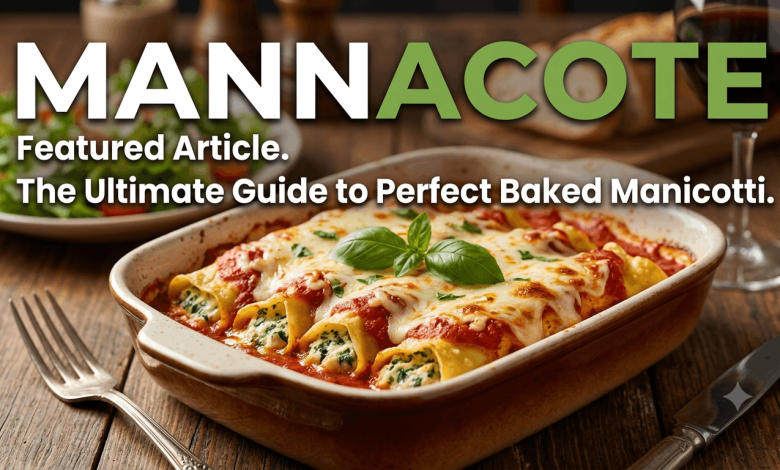
What Is Mannacote? The Real Story Behind This Trending Pasta Name
Type “mannacote” into Google and you’ll get recipe blogs, Instagram reels, and a handful of confused comment sections asking the same question: is this a new dish, or a typo? The short answer: mannacote is the name a lot of home cooks now use for manicotti, the classic Italian-American baked pasta stuffed with cheese. It’s not a separate recipe with its own history. It’s a spelling that stuck.
This guide covers where the word came from, how it differs (or doesn’t) from manicotti and cannelloni, what goes into a proper filling, and a step-by-step method you can follow tonight. You’ll also get answers to the questions people search for most, including that odd “Costco crepe mannacot” trend.
Mannacote Is Just Another Name for Manicotti
Mannacote isn’t listed in any classic Italian cookbook, and it won’t show up on a menu in Naples. It’s a phonetic spin on manicotti, the tubular pasta dish that Italian immigrants brought to American kitchens over a century ago. In many Italian-American households, especially around New York and New Jersey, family pronunciation drifted from the textbook Italian over generations. “Manicotti” became “manigot,” “manicot,” or, more recently online, “mannacote.”
Food blogs and social media picked up the spelling and ran with it, and now it functions as a search term almost as much as a recipe name. If a recipe card calls itself mannacote, you’re looking at manicotti: pasta tubes stuffed with a ricotta-based filling, covered in sauce, and baked until the top turns golden and bubbly.
Where the Word Actually Comes From
Manicotti comes from the Italian word manica, meaning sleeve, with an augmentative ending that roughly translates to “big sleeves.” That’s a fitting description for a wide pasta tube built to hold a generous scoop of filling. Mannacote has no separate linguistic root. It’s simply what happens when a spoken dialect gets typed out phonetically and repeated enough times that search engines start treating it as its own keyword.
Mannacote vs Manicotti vs Cannelloni: What’s the Real Difference
People searching for mannacote often land on pages comparing it to cannelloni too, so it’s worth sorting out the pasta family. All three dishes share the same basic idea: a pasta tube filled with cheese or meat, topped with sauce, and baked. The differences come down to the pasta itself and where the dish is popular.
- Manicotti (mannacote): Ridged, tube-shaped dried pasta, common in Italian-American kitchens. Some recipes swap in thin crepes instead of dried tubes.
- Cannelloni: Smooth pasta sheets rolled around a filling, more common in Italy itself. The tubes tend to be thinner than manicotti shells.
- Lasagna roll-ups: Flat lasagna noodles rolled with filling instead of layered flat. A close cousin, not a true tube pasta.
If a recipe calls for pre-formed ridged tubes you boil and stuff, you’re making manicotti or mannacote. If it calls for rolling fresh pasta sheets around the filling, that’s closer to true cannelloni.
What Goes Into a Classic Mannacote
A good mannacote comes down to three components: the pasta, the filling, and the sauce. Get each one right and the dish practically makes itself.
The Pasta
Standard dried manicotti tubes work well and hold their shape during baking. Boil them just short of al dente, since they’ll finish cooking in the oven and can turn mushy if overdone. Some cooks skip boiling entirely and use no-boil noodles or fresh crepes rolled around the filling, which sidesteps the risk of torn shells.
The Filling
Ricotta forms the base of nearly every mannacote filling. Mix it with shredded mozzarella, grated Parmesan, an egg to bind everything together, and fresh herbs like parsley or basil. A pinch of nutmeg is a small trick borrowed from béchamel-based Italian recipes that adds real depth without tasting like nutmeg at all. Ground beef, sausage, or sautéed spinach are common additions if you want more than a cheese filling.
The Sauce
Marinara is the standard choice, and a simple homemade version made from crushed tomatoes, garlic, and olive oil beats jarred sauce every time. For a richer plate, some cooks use a slow-simmered meat sauce or finish with a layer of béchamel over the top of the marinara.
How to Make Mannacote at Home
- Boil the pasta. Cook manicotti tubes in salted water until just short of al dente, about 6 to 7 minutes. Drain and run under cool water so they’re easier to handle.
- Mix the filling. Combine ricotta, half the mozzarella, Parmesan, egg, and herbs in a bowl. Season with salt and pepper.
- Sauce the dish. Spread a layer of marinara across the bottom of a 9×13 baking dish so the pasta doesn’t stick.
- Fill the shells. Use a piping bag or a small spoon to fill each tube. A piping bag is faster and less likely to tear the pasta.
- Arrange and top. Lay the stuffed shells in a single layer, cover with the remaining marinara, and scatter the rest of the mozzarella on top.
- Bake. Cover with foil and bake at 375°F for 25 to 30 minutes. Remove the foil for the last 10 minutes so the cheese browns.
- Rest before serving. Let the dish sit for 5 to 10 minutes. This keeps the filling from spilling out when you cut into it.
Popular Mannacote Variations
Mannacote adapts easily to different diets and tastes, which is part of why it keeps showing up in new forms online.
- Vegan mannacote: Swap ricotta for a cashew or tofu-based alternative and use plant-based mozzarella.
- Gluten-free mannacote: Use gluten-free pasta tubes, or skip pasta entirely and use thin eggplant slices as a low-carb wrapper.
- Meat-lovers version: Fold in Italian sausage or ground beef alongside the cheese filling.
- Spinach and herb: Add sautéed spinach and extra fresh basil for a lighter, greener filling.
Costco Crepe Mannacot: Why People Keep Searching for It
A chunk of the recent interest in this term traces back to a ready-made stuffed crepe product sold at Costco, sometimes referred to online as “Costco crepe mannacot.” It’s a convenience item rather than traditional manicotti, built from thin crepes wrapped around a cheese filling instead of dried pasta tubes. It’s not the same dish as homemade mannacote, but the resemblance is close enough that shoppers searching for it often end up looking for a from-scratch recipe afterward. If you’ve tried the frozen version and want something closer to what an Italian-American grandmother would make, the step-by-step method above gets you there with normal grocery store ingredients.
Tips for Perfect Mannacote Every Time
A few small habits separate a good mannacote from a great one. Drain fresh ricotta in a fine mesh strainer for at least 30 minutes before mixing the filling, since excess moisture is the top reason fillings turn watery during baking. Undercook the pasta slightly, not because it’s a shortcut, but because the tubes keep cooking in the oven and can go from firm to falling apart if boiled all the way. Shred your own mozzarella instead of buying pre-shredded bags, which are coated in anti-caking starch that keeps them from melting smoothly.
Mannacote also freezes well, either before or after baking. Assemble the dish, wrap it tightly in foil, and freeze for up to a month. Bake from frozen at 375°F for close to an hour, checking that the center is hot before serving.
Frequently Asked Questions About Mannacote
What is mannacote?
Mannacote is a common alternate spelling of manicotti, the Italian-American baked pasta dish made from tubes stuffed with ricotta cheese and baked in tomato sauce. The name reflects a regional pronunciation rather than a distinct recipe.
Is mannacote the same as manicotti?
Yes. Mannacote and manicotti refer to the same pasta dish. The spelling difference comes from spoken dialect variations passed down in Italian-American families, not from any real difference in ingredients or preparation.
What is manicot?
Manicot is another dialectal spelling of manicotti, common in parts of New York and New Jersey. Like mannacote, it points to the same stuffed pasta tube dish, just pronounced and written differently across families and regions.
What’s the difference between mannacote and cannelloni?
Mannacote (manicotti) typically uses ridged, pre-formed dried pasta tubes, while cannelloni is traditionally made from smooth rolled pasta sheets. Both are stuffed with cheese or meat and baked in sauce, so the difference is mostly in the pasta itself.
Can you make mannacote ahead of time?
Yes. Assemble the dish up to a day in advance, cover, and refrigerate before baking. This actually helps, since the flavors have more time to combine before the pasta hits the oven.
How long do you bake mannacote at 350 degrees?
At 350°F, plan on 35 to 40 minutes covered with foil, followed by 10 minutes uncovered so the cheese browns. At the higher 375°F setting used in most recipes, the covered bake time drops to about 25 to 30 minutes.
What is Costco crepe mannacot?
It’s a ready-made stuffed crepe product sold in Costco’s freezer section, built around a similar cheese-filling concept as homemade mannacote. It uses thin crepes instead of traditional pasta tubes and is meant as a quick convenience meal rather than a from-scratch dish.
Can mannacote be made vegetarian or vegan?
Yes, easily. A cheese-and-spinach filling covers the vegetarian version, and swapping in plant-based ricotta and mozzarella turns it fully vegan without changing the method.
Try Making Mannacote Tonight
Mannacote is manicotti by another name: pasta tubes, a ricotta-based filling, and a good sauce, baked until golden. Once you know the real story behind the spelling, the only thing left to figure out is which filling variation to try first.
If you’re building out a full Italian dinner, check out our guides on homemade marinara sauce from scratch, easy weeknight lasagna, and the best cheeses for baked pasta dishes on Reuterings. Each one pairs naturally with the method above and can help round out the meal