
Plaster and Lath: 10 Essential Facts, Repairs & Costs in 2026

You pull a picture frame off the wall and a spiderweb crack runs three feet across the plaster. Or you’re touring a 1920s home and the agent mentions “original plaster and lath” like it’s a selling point and a warning at the same time. Either way, you’re now trying to figure out what this wall is actually made of, why it behaves so differently from the drywall in newer houses, and what it’s going to cost you to fix.
Plaster and lath is the wood-and-plaster wall system used in most American homes built before the 1950s. It’s durable, it sounds different when you knock on it, and it’s far more work to repair than drywall. This guide walks through how the system is built, how to tell normal aging from a real problem, and what repair or removal runs in 2026.
What Is Plaster and Lath?
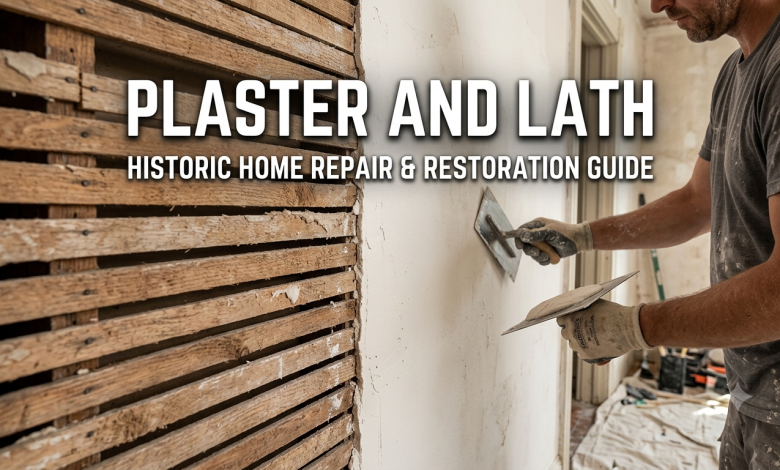
Plaster and lath is a two-part wall and ceiling system. Thin strips of wood, called lath, get nailed horizontally across the wall studs with small gaps between each strip. Wet plaster gets troweled over the lath in multiple coats, and it squeezes through those gaps and curls behind the wood as it sets. That curled plaster, called a “key,” is what locks the whole wall together.
Builders used this method from roughly the 1700s through the 1950s, when drywall took over as the faster, cheaper option. A three-coat plaster job (scratch coat, brown coat, finish coat) took days to cure between layers. Drywall panels could go up and get taped in an afternoon, so the trade shifted fast once drywall became widely available.
The Three Coats: Scratch, Brown, and Finish
Traditional plastering used three layers, and each one had a job. The scratch coat went on first and got raked with a comb to create grooves for the next layer to grip. The brown coat filled in and leveled the wall. The finish coat, often lime-based, gave the smooth or textured surface you actually see and touch.
Wood Lath vs Metal Lath
Older homes typically used wood lath strips, usually around 1.5 inches wide with a small gap between each piece. Metal lath, a wire mesh, showed up later and became common around curved surfaces, over masonry, and in areas prone to moisture, since it doesn’t rot or swell the way wood can.
How to Tell If Your Plaster and Lath Is Failing
Not every crack means trouble. Plaster moves with the house, and hairline cracks from normal settling show up in nearly every older home eventually. The real question is whether the wall is just cracked or whether the lath behind it has actually let go.
Signs that usually mean a simple cosmetic fix:
- Thin, straight hairline cracks along a single plane
- Small nail pops or minor surface chips
- Cracks that follow the same line every year without widening
Signs the lath itself may have failed:
- The wall flexes or feels spongy when you press on it
- Plaster bulges outward instead of staying flat
- Large sections sound hollow when tapped
- Cracks form a map-like or spiderweb pattern across a wide area
- A ceiling sags noticeably in the middle
A sagging ceiling deserves quick attention. Old plaster is heavy, and a section that lets go can drop in large, sharp chunks with no warning. If you press on a ceiling and feel any give at all, treat it as a priority repair rather than something to watch.
What Causes Plaster and Lath to Crack or Fail
Plaster cracks for a handful of predictable reasons, and matching the cause to the crack tells you how serious the fix really is.
- Normal house settling. Wood framing shifts slightly over decades, and plaster is rigid enough that it cracks instead of flexing with it.
- Nail failure. The nails holding the lath to the studs can rust or work loose over time, letting whole sections drop away from the wall.
- Water damage. A roof leak, plumbing leak, or condensation problem softens plaster and rots the wood lath behind it, which is one of the more expensive problems to catch late.
- Impact damage. A doorknob punched through a wall, a moved piece of furniture, a missed nail from hanging art.
- Temperature and humidity swings. Wood lath expands and contracts with moisture in the air, and repeated cycles loosen the plaster key over years.
Plaster and Lath Repair Costs in 2026
Repair pricing depends heavily on damage type, wall size, and whether the lath itself needs work. Here’s a general breakdown based on current national averages.
| Repair Type | Typical Cost (2026) | Notes |
| Small crack or hairline patch | $75 – $300 | DIY-friendly with basic compound and patience |
| Standard plaster patch (per repair) | $300 – $500 | Covers small holes, popped seams |
| Per square foot, damage repair | $20 – $120 | Price climbs with lath replacement |
| Full wall skim coat | $1 – $3 per sq ft | Resurfaces the whole wall instead of spot-patching |
| Removing plaster and lath entirely | $4.50 – $9.50 per sq ft | Includes debris removal and disposal |
| Replastering a full room | $2,000 – $7,200 | Varies by room size and damage severity |
| Plastering a ceiling | $390 – $900+ | Ceilings run higher than walls due to access |
Labor usually makes up 70-80% of the total bill on a plaster job. Matching old texture and getting an invisible patch takes a trained hand, so a homeowner attempt often shows even after paint, while a professional repair tends to disappear into the wall.
Winter months (November through February) sometimes bring lower quotes, since plastering contractors have less outdoor work competing for their schedule.
Repair or Replace: Making the Call
This is the decision most homeowners actually struggle with, and it comes down to three factors: how much of the wall is damaged, whether the lath is still sound, and what you’re trying to preserve.
Repair the existing plaster if:
- Less than 30% of the wall shows damage
- The lath behind it still feels solid when tested
- You’re in a historic home where original walls affect resale value
- The house has real horsehair or lime plaster worth keeping intact
Replace with drywall if:
- The lath has rotted, cracked, or pulled loose across a large area
- Multiple walls show widespread moisture damage
- You want a faster, more budget-friendly renovation and don’t need historic accuracy
Replacing plaster with drywall often costs less per square foot than a full plaster rebuild, but it changes the sound, weight, and fire resistance of the wall, and it can reduce a historic home’s character and appeal to certain buyers. Some renovators split the difference: they keep plaster where it’s structurally sound and swap in drywall only where the lath has genuinely failed.
DIY Plaster and Lath Repair: Step-by-Step
Small cracks and minor holes are reasonable weekend projects. Anything involving sagging, large sections, or exposed lath is safer left to a professional.
- Clear the area. Remove loose plaster, dust, and debris, and lay down a drop cloth to catch falling material.
- Widen hairline cracks slightly with a utility knife or crack repair tool so patching compound has room to bond.
- Apply a bonding agent to any exposed lath before adding new plaster or joint compound.
- Fill the crack or hole with a plaster patch compound or fiberglass mesh tape and joint compound for wider gaps.
- Let it dry fully, following the product’s recoat time rather than guessing.
- Sand the patched area until it’s flush with the surrounding wall.
- Wipe down the surface to remove sanding dust before priming.
- Prime and paint to match the existing wall color, feathering the edges so the patch blends in.
Test any new material in a small, hidden spot first. Plaster texture and color can be tricky to match, and a test patch saves you from redoing a visible section of wall.
Hiring a Plaster Contractor: What to Ask
Plaster and lath work is a specialty trade, and not every general contractor handles it well. Look for someone who can show recent plaster-specific work, not just drywall jobs listed as “wall repair.”
Ask directly whether they’ll be repairing the existing lath or skim coating over the damage. Skim coating covers cosmetic issues across a wide surface but won’t fix a structural problem underneath. Ask how they plan to match the existing texture, and request to see a sample patch before they commit to the whole room.
For homes built before 1940, ask whether the original plaster is lime-based. Lime plaster behaves differently than modern gypsum plaster, and matching it wrong can cause the new patch to fail again within a year or two.
Plaster and Lath vs Drywall
| Feature | Plaster and Lath | Drywall |
| Installation time | Days to weeks (multiple coats) | Hours to a day or two |
| Sound dampening | Better, denser wall mass | Weaker, hollow sound |
| Repair difficulty | Specialized, slower | Simple, widely available skill |
| Fire resistance | Generally higher | Lower unless fire-rated panels used |
| Cost to install new | Higher | Lower |
| Historic value | Often preserved for character | Standard, no historic premium |
Neither option is objectively better. Plaster brings mass, sound control, and period character that many buyers of older homes specifically want. Drywall brings speed, low cost, and easy repairs for anyone prioritizing a quick renovation budget.
Living With Plaster and Lath Walls
A few habits keep old plaster walls in good shape for decades longer.
- Use plaster washers instead of standard drywall anchors when hanging heavy items, since they distribute weight across the plaster instead of concentrating it at one point.
- Keep indoor humidity reasonably stable. Big swings dry out and loosen the wood lath over time.
- Address roof and plumbing leaks immediately. Water is the single fastest way to destroy a lath and plaster wall.
- Repaint hairline cracks with a flexible, crack-bridging paint rather than standard latex, which can re-crack along the same line within a year.
Quality lime plaster, properly maintained, can last well over a century. Even standard gypsum plaster over sound lath commonly outlasts several rounds of drywall in the same house.
Frequently Asked Questions About Plaster and Lath
What is plaster and lath made of?
Lath is thin wood strips (or metal mesh in some homes) nailed across the studs, and plaster is a mix of gypsum or lime, sand, and water troweled over it in layers. The wet plaster squeezes through gaps in the lath and curls to form a mechanical “key” that holds the wall together once it dries.
How do you know if you have plaster or drywall?
Knock on the wall. Plaster sounds solid and dense, while drywall sounds hollow and thinner. Plaster walls also tend to be thicker overall, and outlet covers on plaster walls often sit slightly recessed compared to drywall installs.
Can you skim coat over old plaster instead of replacing it?
Yes, skim coating works well when the plaster is cracked, uneven, or worn but the lath underneath is still solid. A thin new coat of joint compound or plaster resurfaces the whole wall, hides minor imperfections, and costs less than a full teardown.
Is plaster and lath dangerous or does it contain asbestos?
Plaster itself isn’t inherently dangerous, but homes built before the 1980s sometimes used asbestos in joint compounds, textured finishes, or insulation materials near plaster walls. If you’re planning major demolition in an older home, testing suspect materials before disturbing them is a reasonable precaution.
How much does it cost to repair a plaster wall?
Small patches typically run $75 to $500 depending on size, while larger repairs involving lath replacement can reach $20 to $120 per square foot. A full room replaster often lands between $2,000 and $7,200 depending on damage and room size.
Should I repair plaster or just replace it with drywall?
Repair makes sense when less than about 30% of the wall is damaged and the lath is still sound. Replacement becomes the more practical option when the lath has rotted, pulled away, or suffered widespread water damage across large sections.
Why does my plaster ceiling sag?
Sagging usually means the lath nails have loosened or rusted, letting the plaster pull away from its wood backing under its own weight. A sagging ceiling should be treated as urgent, since large sections can fall without much warning.
Can I use joint compound to fix a hole in a plaster wall?
Small holes and cracks respond well to standard joint compound with mesh tape for reinforcement. Larger holes with exposed or damaged lath need a bonding agent and plaster-specific repair techniques, since joint compound alone won’t hold up over a big gap.
How long does plaster and lath last?
Well-maintained plaster over sound lath commonly lasts 50 to 100 years or more, with lime plaster in particular known to last over a century when kept dry. Repairs to hairline cracks may need occasional touch-ups every 5 to 10 years as the house continues to settle.
Is plaster and lath more expensive than drywall?
Installing new plaster and lath costs more upfront than drywall, mainly because of the labor-intensive multi-coat process and slower cure times. Repairing existing plaster is also generally pricier per square foot than drywall repair, since it requires specialized skill to match texture and color.
Ready to Tackle Your Plaster Walls?
Plaster and lath is a durable, sound-dampening wall system that rewards good maintenance and punishes neglect, especially where water is involved. Small hairline cracks are usually nothing to worry about, but bulging, sagging, or spongy walls point to lath failure that needs prompt attention. Whether you patch it yourself or bring in a plaster specialist, matching the right fix to the actual damage will save you money and prevent repeat repairs.
If you’re planning a larger renovation, check out our guides on identifying asbestos in older homes, finding wall studs behind plaster, and budgeting for a full home remodel before you start tearing into walls.