OOTD Meaning: 9 Powerful Facts About What OOTD Means in Text and Social Media

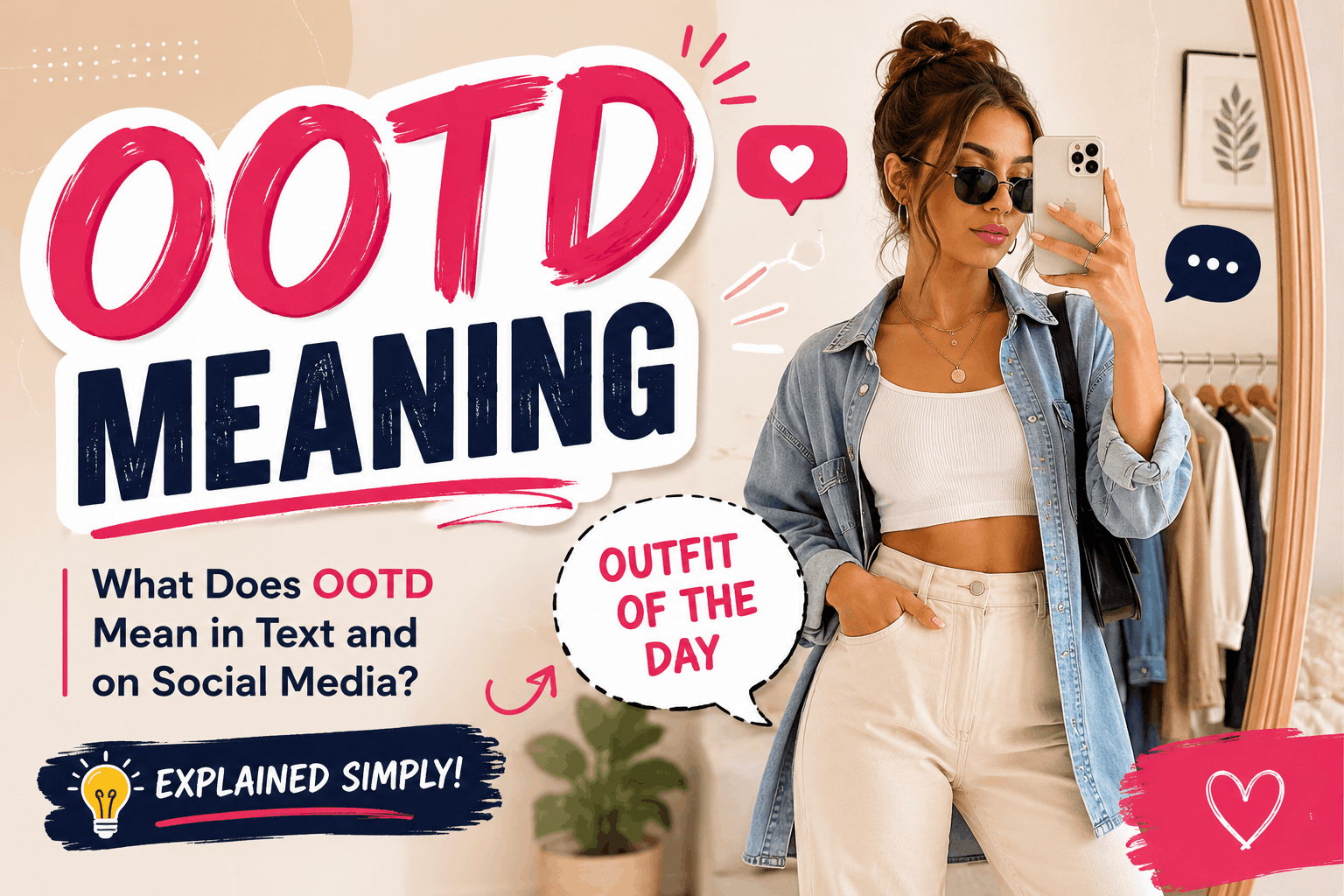
OOTD Meaning
You’re scrolling through Instagram or TikTok and someone captions their post “OOTD” with a full-length mirror photo. Or maybe a friend texted you “just posted my ootd” and you smiled and nodded without actually knowing what they meant. You’re not alone — a lot of people get caught off guard the first time they see it. This guide breaks down where the term came from, how people use it today, and everything else you’d want to know about this wildly popular abbreviation.
What ootd Meaning is?
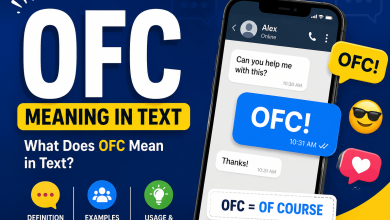
It stands for “Outfit of the Day.” That’s the short answer. The full meaning is exactly what it sounds like: a person is sharing what they’re wearing on a particular day, usually through a photo or video.
When someone posts one, they’re showing off their clothing choices, styling, accessories, and sometimes even shoes or bags. It’s a snapshot of personal style at a specific moment in time.
The abbreviation breaks down like this:
- O = Outfit
- O = Of
- T = The
- D = Day
So each letter simply stands for a word in that four-word phrase.
Where Did the Term Come From?
It didn’t come out of nowhere. The phrase grew directly out of fashion blogging culture in the mid-2000s. Personal style bloggers would post daily outfit photos on platforms like Blogspot and LiveJournal, tagging their entries “outfit of the day” so readers could search for them.
As those communities moved to Tumblr, then Instagram, the phrase got shortened because hashtags work better when they’re compact. The resulting tag became one of the most-used fashion hashtags on the internet, with hundreds of millions of posts attached to it on Instagram alone.
By the early 2010s, the trend had jumped from niche fashion blogs into mainstream pop culture. Anyone with a phone and a decent outfit was posting one.
How It’s Used in Text and Online
The way people use this shorthand has spread way beyond fashion influencers. You’ll find it in a few different contexts:
As a hashtag: #ootd is still one of Instagram’s most-used tags. Adding it to a photo signals to the community that the post is about what someone’s wearing that day.
In captions: People write things like “today’s look” or “loving this fit” paired with the tag, without needing to spell out the full phrase. Everyone in the space already knows what it means.
In text messages: Friends text each other things like “sending you my outfit before the date” or “what are you wearing to the wedding?” — often using the abbreviation directly. It’s casual, quick, and understood.
In video content: On TikTok and YouTube, this has become a full content category. Creators film themselves showing off their clothes from multiple angles, often with trend-based commentary.
What Does It Mean Specifically in a Text Message?
When someone uses the abbreviation in a text rather than on social media, it usually means one of two things. Either they’re about to share a photo of what they’re wearing, or they’re asking about your outfit for an upcoming event.
“Sending my ootd” = I’m about to show you what I’ve got on.
“What’s your ootd?” = What are you planning to wear?
It’s completely casual and friendly. There’s no formal or professional use for it. If you get a text with this term in it, someone wants to talk about clothes.
Variations You Might See
Once people got comfortable with the original term, they started spinning off new versions. A few you’ll actually see in the wild:
GRWM (Get Ready With Me): Related but different. This content shows the whole process of getting dressed and ready, not just the final look.
OOTW (Outfit of the Week): Less common, but used when someone doesn’t post daily and wants to share their best look of the week instead.
OOTN (Outfit of the Night): Used for evening events, date nights, or going-out looks. The “D” for day switches to “N” for night.
OOTDS (plural/weekly roundup): Some creators post weekly outfit roundups and tag them this way.
Each of these follows the same structure, just swapping one word to fit the specific context.
Why Has This Stuck Around?
The term has been around for over 15 years and it’s not going anywhere. A few reasons it survived when other internet slang faded:
It’s genuinely useful. Sharing what you’re wearing is a real thing people want to do. The abbreviation fills a real communication need.
Fashion content drives engagement. Outfit posts consistently get high interaction on visual platforms, and the tag gives that content a searchable, recognizable label.
It created community. The hashtag built a massive global network of people who care about personal style, and that community keeps it alive because it helps people find each other.
Platforms rewarded it. Instagram’s algorithm has historically favored fashion content, and posts using the tag got discoverable reach that kept the cycle going.
Across Different Cultures and Languages
This is an English abbreviation, but it’s used globally in its original form. In countries like South Korea, Japan, Brazil, and across Europe, fashion creators use it without translating, because it became a universal fashion-internet term.
Korean fashion culture, in particular, has a strong community built around it. The term appears alongside Korean styling terms and Korean-language captions regularly, almost always written in lowercase.
In Spanish-speaking communities, you’ll see it used alongside native slang. In French fashion circles, the same thing. The abbreviation crossed language barriers because the visual content speaks for itself.
How to Post Your Own
If you want to post your own outfit content, the format is pretty simple. A good post usually includes:
- A clear photo or short video showing your full outfit, ideally with good lighting
- A caption that tags the clothing items, brands, or styling inspiration
- Relevant hashtags, including the main one plus more specific ones like #streetstyle or #casualoutfit
- On TikTok, a quick voiceover or text overlay explaining why you chose the look
You don’t need to be a fashion influencer to participate. Millions of everyday people share outfit photos just for fun, for inspiration, or to connect with others who share their style interests.
Frequently Asked Questions
What does it mean in text? It means “Outfit of the Day” in text messages. Someone using it is either sharing a photo of what they’re wearing or asking about your outfit for a specific occasion. It’s casual slang with no formal uses.
What does it mean when it’s written with spaces, like “o o t d”? That’s just a stylized version of the same acronym. Some platforms suppress hashtags or posts when they detect spam, so creators space out the letters to get around filters. The meaning stays the same: Outfit of the Day.
Is this only used by fashion influencers? Not at all. Anyone can use it. The trend started in fashion blog circles, but it spread to everyday social media users long ago. You don’t need a large following or professional photos to take part.
What’s the difference between this and GRWM? One is just the finished outfit. GRWM, which stands for Get Ready With Me, covers the whole process: hair, makeup, clothing, accessories, and the decisions along the way. One is the result. The other is the process.
Can it be used for men’s fashion? Absolutely. It has always applied to all genders. Men’s fashion creators use the tag just as often as women do. You’ll find men’s streetwear, business casual, and formal looks tagged this way across every major platform.
What does OOTN mean? OOTN stands for “Outfit of the Night.” It follows the same format as the daily version but refers specifically to evening or nighttime looks, like outfits for a dinner, party, or going out.
How many posts use the hashtag? The #ootd hashtag on Instagram has surpassed 400 million posts, making it one of the most-used fashion hashtags ever. On TikTok, related content has generated billions of views.
When did this become popular? It started gaining traction in the mid-2000s through personal fashion blogs and went mainstream around 2012 to 2014, when Instagram became the go-to platform for visual fashion content.
What should I include in a caption? A good caption usually names the brands or stores you’re wearing, gives context for the occasion, and includes a few relevant hashtags. Tagging brands can also get you noticed by those accounts.
Is this used on platforms other than Instagram? Yes. It shows up on TikTok, Pinterest, Twitter/X, YouTube, and even Facebook. TikTok in particular has turned it into a full video format with millions of daily views.
Now You Know What It Means
It stands for Outfit of the Day, and it’s been one of the internet’s most consistent fashion terms for good reason. It’s simple, visual, and gives people an easy way to share and discover personal style across every platform.
Whether you spotted it in a text message, under a social post, or in a TikTok caption, you now know exactly what it means and how to use it. If you want to keep building your knowledge of internet slang and text abbreviations, check out related guides on reuterings.com covering terms like GRWM, NGL, and other common acronyms people use online every day.