
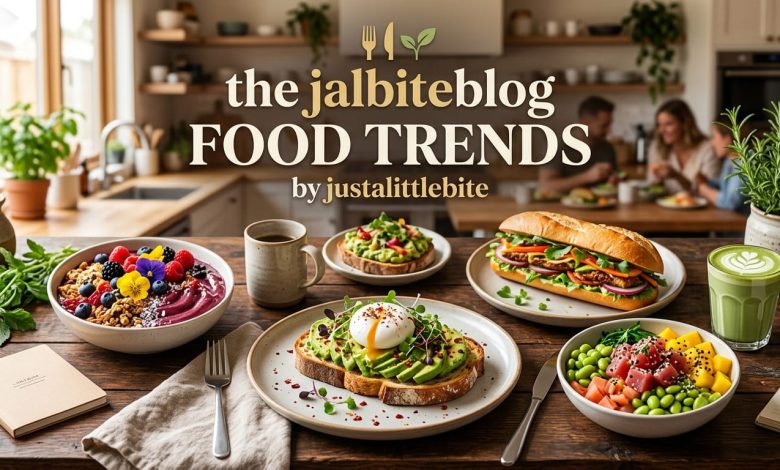
You searched “JalbiteBlog” or “JustALittleBite” because it showed up somewhere talking about food trends, and you wanted to know what it actually is. Fair question. The honest answer is that the information out there about JalbiteBlog and JustALittleBite doesn’t hold together, and that’s worth explaining rather than glossing over.
This article looks at what’s actually out there under this name, why it doesn’t add up to a real, verifiable food blog or trend, and what you can search for instead if you’re after genuine food inspiration.
What the Term Appears to Be
A handful of websites use the phrase “JalbiteBlog” or “JustALittleBite,” and each one describes it a little differently. One calls it a recipe blog that shares food hacks and short, easy content. Another describes it as a broader “digital food platform” that’s evolved into a hub connecting home cooks with Michelin-starred restaurants. A third frames “Jalbiteblog” as the name of a specific visual food trend, not a blog at all, one built around honey-glazed ramen chips and matcha cream pasta.
These aren’t different facets of the same story. They’re different, incompatible claims about what this name even refers to. None of the pages name a founder, a food writer with a public profile, or a specific original recipe with step-by-step instructions and real photos you can trace back to a person.
Compare that to how an actual food blog operates. Real blogs credit a specific writer or chef, publish recipes with exact ingredient amounts and cooking times, and show original photos of the finished dish. Nothing under the JalbiteBlog or JustALittleBite name does any of that.
Signs of a Manufactured or Spam Keyword
A few patterns make this term look manufactured rather than organic. The clearest one is that multiple websites repeat the same vague phrases (like calling something “a digital space where taste meets storytelling”) without ever citing where that description came from or who wrote it first.
The examples given as “trends” tend to be food ideas that already exist independently of this term. Sushi tacos, cloud bread, and pickled onions on toast are real things people make and post online, but they’re not unique discoveries tied to a specific blog. Attaching them to “JalbiteBlog” doesn’t make the connection real.
There’s also no primary source. A genuine food trend usually traces back to a specific video, restaurant, or chef you can find the original post or interview from. Searching for that here turns up more of the same secondhand, vague descriptions, never an original source.
Why This Happens
Content like this usually comes from automated or AI-assisted writing tools generating articles around a phrase, whether or not anything real exists behind it. A tool can produce a fluent article describing a “platform” or a “trend” convincingly, complete with an origin story, even when no such platform or trend exists.
Once one site publishes that kind of article, other content generators pick up the phrase and produce their own version, often changing a few details while keeping the same vague tone. Over a few rounds of this, a search for the term returns several pages that all sound like they’re confirming each other, when really they’re each just repeating an unverified claim in different words.
What You Might Actually Be Looking For
If you’re after real food inspiration, a more specific search usually gets you further than a vague platform name. Try searching for the actual dish you’re curious about, like “sushi taco recipe” or “cloud bread recipe,” and you’ll land on real recipes from real cooks.
For genuinely viral food trends, TikTok and Instagram are where most of them actually start and spread. Searching a trend name plus “TikTok” often leads you to the original video and the creator who made it, which is the kind of source this term never provides.
Established food publications are also a solid place to look. Sites like Bon Appétit, Food52, and Serious Eats publish recipes under named writers, with clear photography and testing behind each one, which is the opposite of what you’ll find searching JalbiteBlog.
How to Spot Trustworthy Food Content
A few habits help you tell a real food blog from a manufactured one, whether you’re looking at this term or something else entirely.
- Look for a named author or chef. A real food writer usually has a bio, other published work, and a consistent voice across posts.
- Check for exact recipes. Genuine recipes list precise measurements, cook times, and step-by-step instructions, not vague descriptions of a “trend.”
- Look at the photos. Original recipe photos usually show the actual dish from the actual kitchen, often with process shots. Generic stock-style images are a warning sign.
- Search for the original source. A real trend traces back to one identifiable video, post, or person. If every result only references other vague articles, that’s a sign nothing original exists.
Is JalbiteBlog / JustALittleBite Real?
No. Based on everything available, JalbiteBlog and JustALittleBite don’t represent a verified food blog, a named creator, or an actual food trend. What exists is a cluster of vague, contradictory descriptions across a handful of low-quality websites, none of which point to a real, checkable source.
If you come across a similarly unfamiliar term while browsing for food content, apply the same test: look for a named author, real recipes, and an original source. If none of those show up, treat the term with the same skepticism you’d apply here.