

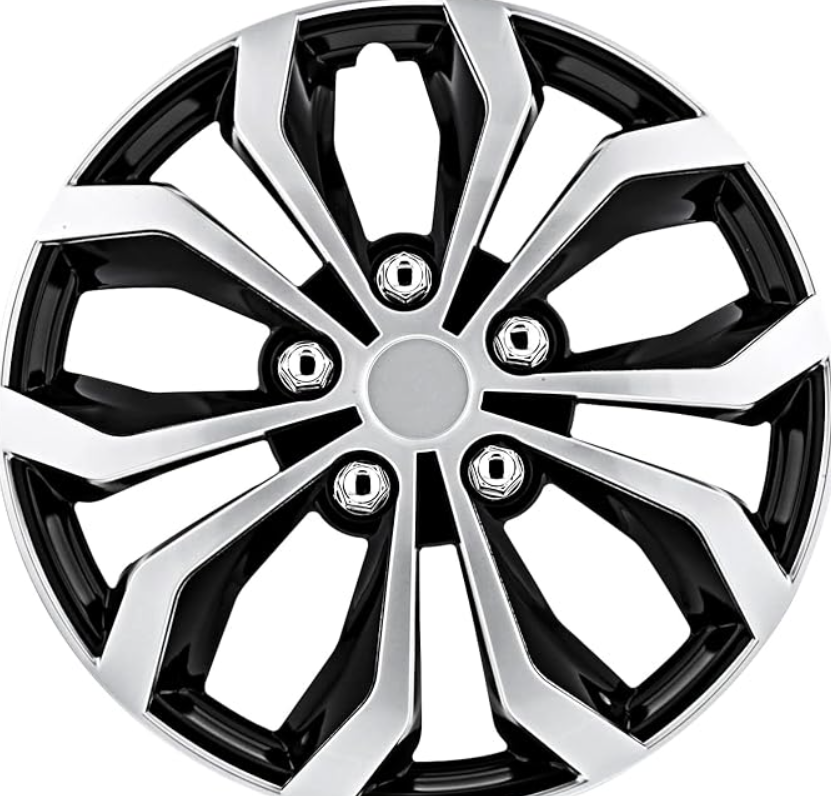
Commercial vehicles require durable and visually appealing components to maintain a professional image on the road. Wheel simulators serve as full face stainless steel or chrome covers specifically designed for commercial wheels. Unlike standard passenger car accessories, these robust components replicate the appearance of expensive polished alloy wheels while offering superior protection and longevity.
Many industry professionals often confuse various wheel accessories. It is crucial to clarify the distinction between simulators, hubcaps, and wheel covers. Hubcaps typically cover only the center portion of the wheel, protecting the lug nuts and hub assembly from dirt and moisture. Wheel covers generally span the entire face of a standard passenger vehicle wheel but lack the depth and structural integrity required for heavy duty applications. In contrast, wheel simulators are engineered specifically for dual rear wheel and single rear wheel commercial trucks. They provide a deep dish appearance and full face coverage that seamlessly mimics solid aluminum wheels, making them the premier choice for commercial applications.
Wheel Simulators vs Wheel Covers vs Hubcaps
Understanding the specific use cases, materials, and price tiers for each accessory ensures you make the best investment for your vehicle or fleet. Car dealers and mechanics frequently evaluate these options to meet varying customer needs and budget constraints.
Wheel Simulators
- Use Cases: Designed primarily for commercial trucks, transit buses, motorhomes, and heavy duty utility vehicles. They are the standard choice for fleet managers wanting a premium look without the premium price tag.
- Materials: Constructed from heavy gauge automotive grade stainless steel or high impact chrome plated materials. This ensures they withstand harsh road conditions, flying debris, and extreme temperature fluctuations.
- Price Tiers: Positioned in the upper tier of wheel accessories, reflecting their massive size, material quality, and specialized mounting hardware. However, they remain significantly more affordable than purchasing forged aluminum wheels.
Wheel Covers
- Use Cases: Ideal for standard passenger cars, light SUVs, and minivans. They provide a quick aesthetic upgrade for basic steel wheels on daily commuter vehicles.
- Materials: Typically manufactured from ABS plastic. While durable for daily commuting, they do not offer the structural resilience needed for commercial hauling or off road environments.
- Price Tiers: Generally fall into the budget to mid range category. They are easily replaceable and widely available at most automotive parts stores across the country.
Hubcaps
- Use Cases: Used on vintage vehicles, basic utility trailers, and some modern base model cars to protect the center hub from dirt and moisture.
- Materials: Made from stamped steel, lightweight alloys, or basic plastics depending on the vehicle era and manufacturer.
- Price Tiers: The most economical option available, serving a purely functional or minimal aesthetic purpose for budget conscious vehicle owners.
Core Benefits of Upgrading
Investing in premium wheel accessories offers substantial advantages for independent operators, body shops, and large scale commercial fleets alike. The benefits extend far beyond simple aesthetics.
Superior Rust Protection
Commercial steel wheels are highly susceptible to oxidation and rust due to constant exposure to road salt, moisture, and chemical deicers. High quality stainless steel simulators act as a protective barrier. They shield the underlying steel wheel from direct environmental exposure, thereby extending the operational life of the wheel and reducing long term replacement costs for fleet operators.
Enhanced Fleet Appearance
First impressions matter immensely in the commercial transport and service industries. A fleet equipped with gleaming chrome or polished stainless steel projects an image of reliability, cleanliness, and professionalism. This visual upgrade can positively influence customer perception, enhance brand reputation, and even increase the resale value of the vehicle when it is time to upgrade.
Cleaning Efficiency
Maintaining polished alloy wheels requires specialized acidic cleaners, frequent buffing, and significant labor hours. Simulators, particularly those made from premium stainless steel, require only standard automotive soap and water to maintain their brilliant shine. This drastically reduces maintenance time for body shops and fleet mechanics, allowing them to focus on more critical mechanical repairs.
Significant Cost Savings
Purchasing solid forged aluminum wheels for a medium or heavy duty truck requires a massive capital investment. Simulators deliver the exact same visual impact at a fraction of the cost. Furthermore, if a simulator sustains damage from a curb strike or road debris, replacing a single cover is exponentially cheaper than replacing an entire alloy wheel. This makes them highly attractive to insurance adjusters evaluating repair estimates.
Technical Types and Variations
Selecting the correct system requires a thorough understanding of the technical variations available in the commercial market today.
Single Rear Wheel vs Dual Rear Wheel Systems
Single rear wheel configurations utilize a standard convex profile for both the front and rear axles. Dual rear wheel configurations require a highly specialized approach. The front wheels feature a convex outward facing profile, while the rear wheels require a deep concave dish design to accommodate the dual wheel pairing. You must purchase the specific kit designed for your exact axle configuration.
Material Differences
- Stainless Steel: The gold standard for commercial applications. Type 304 stainless steel offers exceptional resistance to corrosion and pitting. It can be polished to a mirror finish that rivals traditional chrome, offering decades of reliable service.
- ABS Plastic: Some lightweight commercial applications utilize chrome plated ABS plastic. While highly resistant to denting and completely immune to rust, ABS plastic may not offer the same visual depth or extreme temperature tolerance as stainless steel.
Mounting Styles
- One Piece Systems: These units feature a unified construction where the lug nut covers and the main body are a single solid piece. They are generally easier to clean and offer a seamless, streamlined look.
- Two Piece Systems: These incorporate a separate center cap or removable lug nut covers. This design often allows for easier access to the valve stems and hub assembly without requiring the mechanic to remove the entire unit during routine maintenance.
Accurate Measurement Guide
Proper fitment is critical for safety and aesthetics. Mechanics and vehicle owners must verify several key dimensions before purchasing from automotive parts stores.
Wheel Diameters
Commercial trucks typically utilize specific wheel sizes. The most common diameters are 19.5 inches, 22.5 inches, and 24.5 inches. It is imperative to read the tire sidewall to confirm the exact wheel diameter, as guessing can lead to incompatible parts and potential safety hazards on the highway.
Bolt Patterns and Lug Nut Counts
The bolt pattern refers to the number of lug nuts and the diameter of the imaginary circle they form. Common configurations include 8 lug and 10 lug setups. You must count the exact number of lug nuts on your wheel. For even numbers of lug nuts, measure from the center of one stud directly across to the center of the opposite stud to determine the pattern diameter.
Pilot Hole Diameter
The pilot hole is the large center opening of the wheel that rests directly on the vehicle hub. Measuring the diameter of this center hole ensures the simulator will seat flush against the wheel face. A mismatch here will prevent proper installation and could cause severe vibration.
Hand Hole Counts
Hand holes are the ventilation cutouts spaced around the perimeter of the wheel. Simulators are designed to align perfectly with these holes to allow for proper brake cooling and valve stem access. Common variations include 2 hole, 4 hole, 5 hole, and 10 hole designs. You must match the hand hole count of the simulator to your specific factory steel wheel.
Installation and Safety Protocols
Ensuring your accessories remain securely attached at highway speeds is a top priority for car dealers, mechanics, and insurance adjusters. There are two primary mounting methods, each requiring specific installation techniques.
Bolt On Systems
Bolt configurations offer the highest level of security and peace of mind. They utilize the existing wheel studs or specialized mounting brackets that bolt directly to the wheel assembly.
- Step 1: Remove the specified factory lug nuts as dictated by the manufacturer instructions.
- Step 2: Align the simulator carefully with the valve stems and factory hand holes.
- Step 3: Install the provided mounting brackets or specialized jam nuts over the exposed studs.
- Step 4: Torque the nuts to the exact specifications outlined in your vehicle service manual. Checking the torque again after fifty miles of driving guarantees highway speed stability and prevents dangerous vibration.
Retention Ring Systems
Retention ring designs use a heavy duty expanding metal ring to grip the inside lip of the steel wheel securely.
- Step 1: Inspect the wheel lip to ensure it is free of heavy rust, debris, or wheel weights that might interfere with the grip mechanism.
- Step 2: Insert the retention ring into the back of the simulator, adjusting the tension mechanism to match your wheel diameter.
- Step 3: Align the valve stem cutout with the actual valve stem on the wheel to ensure easy access for tire pressure checks.
- Step 4: Firmly strike the perimeter of the simulator with a rubber mallet to seat the retention clips securely against the steel wheel. Never use a metal hammer, as this will dent the stainless steel finish.
Vehicle Compatibility
The commercial transport market features a diverse array of manufacturers. Fortunately, the aftermarket parts industry provides tailored solutions for nearly every major brand on the road today.
Heavy duty applications for brands like Kenworth, Peterbilt, Freightliner, International, and Volvo typically utilize 22.5 inch or 24.5 inch systems with 10 lug configurations. These massive vehicles require robust bolt on mounting systems to handle extreme mileage, heavy cargo loads, and cross country travel.
Medium duty commercial trucks, including those manufactured by GMC, Ford, Dodge, and Isuzu, frequently employ 19.5 inch wheels. These vehicles often serve as delivery box trucks, ambulances, and utility service vehicles. Whether you operate a Ford F450, a Dodge Ram 3500 dually, or an Isuzu NPR, there are specific kits engineered to match your exact hub dimensions and bolt patterns perfectly.
Commercial Fleet Considerations
For fleet managers and automotive parts stores, purchasing decisions extend beyond simple aesthetics. Strategic procurement involves evaluating warranties, bulk pricing, and liability documentation.
Bulk Purchasing
Outfitting an entire fleet requires a reliable supply chain and consistent product availability. Many distributors, including reputable suppliers like WheelCovers.com, offer tiered pricing structures for bulk orders. Consolidating purchases reduces shipping costs and ensures visual uniformity across all company vehicles, which is vital for brand consistency.
Warranties and Insurance Documentation
Insurance adjusters and risk management officers favor products backed by comprehensive manufacturer warranties. A solid warranty protects against premature pitting, rust, or structural failure. Furthermore, maintaining detailed documentation of all installed aftermarket parts ensures accurate valuation in the event of a collision or total loss claim. Keeping receipts from trusted vendors like WheelCovers.com helps streamline the claims process.
Maintenance and Care
Protecting your investment requires a consistent and proper maintenance routine. Stainless steel is highly durable but not entirely invincible to neglect or improper chemical exposure.
Cleaning Best Practices
Avoid harsh abrasive brushes or highly acidic wheel cleaners, as these can scratch the polished surface or degrade the protective clear coat on chrome plated models. Instead, use a mild automotive shampoo and a soft microfiber wash mitt. For stubborn brake dust, a dedicated acid free iron remover is highly effective and safe for all metal finishes.
Preventing Oxidation
While type 304 stainless steel naturally resists rust, surface oxidation can still occur if metallic brake dust is allowed to accumulate and bake into the finish over time. Applying a high quality synthetic wax or ceramic sealant twice a year creates a hydrophobic barrier. This prevents contaminants from bonding to the metal and makes routine washing significantly easier for your maintenance crew.
Frequently Asked Questions
Are wheel simulators worth it?
Yes, they are an excellent investment for any commercial vehicle. They provide the luxurious appearance of forged aluminum wheels at a fraction of the cost, while also protecting your factory steel wheels from corrosive road elements and extending their lifespan.
Do they fit all trucks?
No, they are not universally interchangeable. You must match the specific wheel diameter, bolt pattern, pilot hole size, and hand hole count to your exact vehicle make and model to ensure a safe and proper fit.
What is the difference between a wheel liner and a simulator?
These terms are generally used interchangeably within the automotive industry. Both refer to the same full face metal or plastic covering designed to mimic an alloy wheel on a commercial vehicle.
Will they fall off at highway speeds?
When installed correctly according to manufacturer specifications, they are completely secure. Bolt-on systems offer the highest retention security, while quality retention ring systems utilize aggressive steel clips that easily withstand highway vibrations and rough road conditions.
Can I install them myself or do I need a mechanic?
Most systems are designed for straightforward installation. Retention ring models can be installed in minutes with a simple rubber mallet. Bolt on systems require basic hand tools and a torque wrench, making them highly accessible for vehicle owners and body shops alike.
How do I access my valve stems to check tire pressure?
Quality designs feature precise cutouts that align perfectly with your factory hand holes and valve stems. Some models also include braided valve stem extensions to make checking dual rear wheel tire pressure even more convenient for drivers.
Do they affect brake cooling?
No. The ventilation cutouts are engineered to mirror the factory hand holes on your steel wheels. This ensures that airflow to the brake rotors and calipers remains completely unobstructed during heavy braking or descending steep grades.
Can I use them on aluminum wheels?
They are specifically engineered to fit over standard steel wheels. The lip profile and thickness of an aluminum wheel will prevent the mounting hardware or retention rings from seating properly, which could lead to the cover detaching while driving.
Are they prone to rattling?
High quality systems are designed to fit snugly against the steel wheel. If you experience rattling, it usually indicates improper installation, a loose jam nut, or a retention ring that needs tension adjustment. Checking the mounting hardware regularly prevents this issue.
How long do they typically last?
With proper maintenance and regular cleaning, premium stainless steel models can easily last the entire lifetime of the vehicle. They are highly resistant to the elements and will maintain their polished finish for years if kept free of baked brake dust.
