Empty Living Room: Transform It Into Your Dream Space with Smart Furniture and AI Design

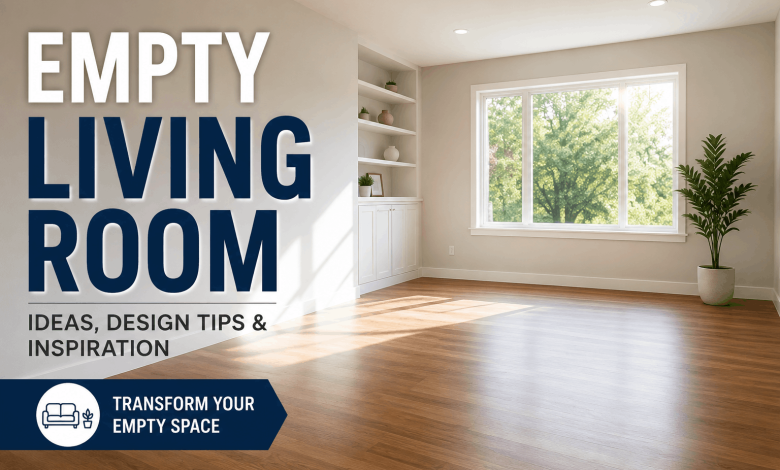
Staring at an empty living room can feel overwhelming. You’ve got blank walls, bare floors, and an endless list of decisions ahead of you. But here’s the thing: an empty living room is actually your biggest advantage. You’re starting with a clean slate, no clutter, no regrets about past decorating choices. Whether you just moved in, cleared out old furniture, or you’re designing a completely new space, you’re about to create exactly what you want.
This guide walks you through every step of furnishing and designing an empty living room, from choosing your first furniture pieces to using AI-interior-design tools that let you visualize your space before spending a dime.
Start With a Plan, Not Random Purchases
The biggest mistake people make with empty living rooms is buying furniture piece by piece without a clear vision. You end up with a mismatched collection that doesn’t work together, wasted money on pieces you later replace, and a space that feels chaotic instead of cohesive.
Before you buy anything, spend 15 minutes thinking about how you’ll use this room. Is it a family hangout space? A quiet reading corner? An entertainment hub for hosting friends? Your answer changes everything about layout, furniture style, and even color choices.
Next, measure your room. Write down the dimensions, note where windows and doors are, and check for any unusual angles or built-in features. Take photos from different corners. These details matter way more than you’d think when you’re choosing furniture sizes and placement.
Choose Your Color Palette and Design Direction
Color sets the mood for your entire space. An empty room gives you the perfect opportunity to get this right from the start, rather than fighting it later.
Pick a neutral base first. Most designers recommend starting with walls in soft white, warm beige, soft gray, or pale greige (that’s gray-beige mix everyone loves). These create a calm background that lets your furniture and accents shine. You can always add bold color through paint later, but a neutral foundation is harder to change once you’ve committed to it.
Think about all-in-one furniture paint options. Modern furniture paints let you easily refresh thrifted finds or plain pieces with high-quality finishes that last. This approach saves money and gives you unique pieces that fit your exact vision.
Your design direction comes next. Do you prefer modern minimalist? Cozy farmhouse? Eclectic boho? Sleek contemporary? Pick the vibe that makes you happy when you imagine yourself relaxing there. Your living room should reflect how you actually want to live, not what a magazine says you should want.
Layer Your Furniture Foundation
An empty living room needs a thoughtful furniture foundation. This isn’t about filling every corner; it’s about placing pieces that create function and flow.
Start with a sofa or sectional. This is usually the biggest investment and the anchor for your whole layout. Choose something scaled to your room size. A massive sectional in a small living room makes the space feel cramped. A tiny loveseat in a large room looks lost and lonely.
Add a coffee table that sits about 12-18 inches from your sofa. This piece bridges the gap between sitting areas and creates a natural gathering point. Choose a style that matches your design direction: industrial metal frame, warm wood, modern glass, whatever speaks to you.
Include at least one accent chair or reading seat. This gives you flexibility for seating arrangements and adds visual interest. Many people skip this in an empty room to save money, but a single chair makes a huge difference in how the space functions.
Storage matters. A media console, bookshelf, or storage bench serves double duty: it holds your stuff and defines different zones in your living room. Floating shelves work beautifully if you’re limited on floor space.
Let AI-Interior-Design Transform Your Vision
This is where things get fun. AI-interior-design tools let you see your empty room fully furnished before you spend a single dollar. You can test different furniture arrangements, colors, and styles in minutes.
Upload a photo of your empty living room from a few angles. The AI tool analyzes the space and shows you design options that actually fit your room’s unique shape and lighting. Instead of imagining “what if,” you see actual renders of your space with different furniture styles and color schemes.
Some tools let you customize suggestions. You can say “I want a modern look with warm wood tones” or “I’m going for Scandinavian minimalist.” The AI adjusts its recommendations based on your preferences. You can also swap individual pieces, change paint colors, or adjust lighting in real time.
The real value here is confidence. You’re not guessing anymore. You see exactly how that navy accent wall looks with natural light. You know if that oversized sectional actually fits the way you imagined. You can see how all-in-one furniture pieces would work in your specific space before committing.
Use these tools multiple times with different styles. Save the designs you love. This visual comparison helps you pinpoint exactly what you’re drawn to, which guides all your actual purchases.
Create Zones in Your Empty Living Room
Large, empty rooms can feel cold and unwelcoming. Dividing your living room into zones makes it feel intentional and cozier, even if it’s actually quite spacious.
A zone is just an area dedicated to a specific function. Your main seating zone has the sofa and coffee table where people gather to chat or watch TV. A second zone might be a reading nook with a comfortable chair and side table near a window. A third zone could be a workspace if you occasionally need a desk.
You don’t need walls or dividers. Simply arrange furniture to create natural boundaries. A large area rug anchors each zone visually. Placing a console table behind a sofa creates separation from a work area behind it.
Lighting helps define zones too. A floor lamp in your reading corner, overhead lighting in your main seating area, and a desk lamp in your work zone make each space feel intentional and distinct.
Play With Texture and Materials
An empty room is your chance to build texture from the ground up. Texture prevents a space from feeling flat, even if you’re sticking with neutral colors.
Mix materials intentionally. Pair warm wood furniture with a soft fabric sofa. Add a plush area rug to balance hard flooring. Include a leather ottoman next to a linen chair. Metal accents on shelves catch light and add visual interest. These combinations make your living room feel layered and sophisticated.
When you’re painting furniture or walls, don’t limit yourself to flat finishes. A matte paint on walls creates a different feel than semi-gloss. A textured wall treatment adds dimension. These subtle choices matter more than people realize.
Natural materials age beautifully. A solid wood side table develops character over time. A linen sofa softens with use. These pieces improve as you live with them, which creates real emotional connection to your space.
Budget Smartly Without Sacrificing Quality
Furnishing an empty living room doesn’t require spending a fortune, but it does require smart choices.
Invest in pieces you’ll use constantly. Your sofa, bed, and desk should be quality buys because you interact with them daily. A good sofa lasts 7-10 years if you choose one built well. A cheap one falls apart in 3 years, costing more in the long run.
Save money on pieces that see less wear. Decorative accents, side tables, and artwork can be budget-friendly finds from thrift stores or online marketplaces. Paint them if needed using all-in-one furniture paint for a custom look that matches your style perfectly.
Buy versatile pieces. A neutral sectional works with multiple design updates over time. A simple wood table pairs with countless chair styles and decor choices. Versatility means you’re not stuck with your exact choices forever.
Consider timeline too. You don’t need to furnish everything at once. Start with essentials: seating, table, basic storage. Add accent pieces and decor over months as you discover what you actually love and how you use the space.
Use Lighting to Set the Mood
Empty rooms often feel sterile because lighting is wrong. Most new homes come with basic overhead lights that make spaces feel flat and uninviting.
Layer your lighting in three types. Ambient lighting (overhead or ceiling fixtures) provides general illumination. Task lighting (table lamps, desk lamps) helps you see when you’re reading or working. Accent lighting (wall sconces, floor lamps) creates mood and highlights specific areas.
In your empty living room, install multiple light sources you can control separately. Use dimmers whenever possible. This lets you adjust brightness for different times of day and different activities.
Natural light matters too. If you have windows, work with them rather than against them. Sheer curtains let light in while providing privacy. Position seating to take advantage of natural light during the day. Your empty room won’t feel empty anymore once you’re sitting in sunlight.
Add Personal Elements Last
Once your furniture foundation is solid and your space is functional, add personal touches. This is where your empty living room finally feels like yours.
Artwork on walls, photographs on shelves, plants in corners, throw pillows on seating, a cozy blanket draped over the sofa. These pieces don’t clutter; they personalize. Each one tells something about you and makes visitors feel welcome.
Don’t overthink this part. Choose pieces you genuinely love, not items that match a Pinterest board. Your living room should make you happy when you walk in, which only happens when it reflects who you actually are.
Frequently Asked Questions About Empty Living Room Design
How long does it take to furnish an empty living room?
Start with essentials in 4-6 weeks: sofa, table, basic storage. A fully furnished and decorated living room typically takes 2-3 months as you find pieces you love and see how the space actually lives before adding finishing touches.
Should I buy all furniture at once or gradually?
Gradually is smarter. Buy essentials first, then add pieces over time as you live in the space. This approach saves money, prevents buyer’s remorse, and lets you adjust the design as you discover what actually works for your lifestyle.
What’s the best way to use AI design tools for my empty living room?
Upload clear photos from multiple angles. Use the tool to test different design directions and furniture styles. Compare several rendered options. Save the designs you love most. Let these visuals guide your actual shopping, but stay flexible as you find specific pieces in real stores.
Can I actually paint furniture to match my vision?
Yes, completely. All-in-one furniture paint works on wood, metal, and even laminate. One coat often covers, it dries quickly, and the finish is durable for daily use. Test on a small area first if you’re nervous, but modern furniture paint is much more forgiving than traditional paint.
What furniture pieces are truly essential for an empty living room?
A seating piece (sofa or sectional), a coffee or side table, at least one extra seat (chair), and storage (console, bookshelf, or bench). Everything else builds on this foundation and can be added gradually based on your specific needs and design vision.
How do I avoid making my empty living room look too sparse or too cluttered?
Balance is key. Arrange furniture to define zones and create flow, even in a large space. Add layers through different materials and textures. Include personal elements like art and plants, but leave some breathing room. An empty room improved is better than a crowded room any day.
Is it worth investing in a professional designer for an empty living room?
Only if you have a big budget and specific vision you’re struggling to execute. For most people, AI-interior-design tools plus some time thinking through your needs works just as well and costs almost nothing. You know your space and style better than anyone else.
Get Started With Your Empty Living Room Today
Your empty living room isn’t a problem waiting for a solution. It’s an opportunity to create exactly the space you want to live in. Take time with your planning, use AI tools to visualize your ideas, and choose quality pieces you’ll actually use and love.