

You’ve just been arrested, or maybe someone you care about got a call from the police. The first thing everyone tells you is “get a lawyer.” But what kind? And what exactly does that person do once you hire them? The term “defence lawyer” gets thrown around constantly, yet most people couldn’t tell you what one actually does beyond what they’ve seen on TV.
This article breaks down exactly what a defence lawyer is, what they do for you, how they differ from other types of attorneys, and when you absolutely need one in your corner.
What Does It Mean to Define Defence Lawyer?
A defence lawyer, also called a criminal defence attorney, is a licensed legal professional who represents people accused of crimes. Their job is to stand between you and the full force of the government’s prosecution, making sure your rights are protected at every stage of the legal process.
Defence lawyers work on both sides of the fee structure. Some are hired privately, and some are appointed by the court if you can’t afford representation. Either way, their core responsibility stays the same: advocate for their client, challenge the prosecution’s evidence, and work toward the best possible outcome.
That outcome doesn’t always mean “not guilty.” Sometimes it means reduced charges, a lighter sentence, or a plea deal that keeps you out of prison.
The Core Roles a Criminal Defence Attorney Plays
Legal Advisor From Day One
The moment someone becomes a suspect or gets arrested, they have the right to an attorney. A defence lawyer steps in immediately to advise their client on what to say, what not to say, and how to behave throughout the process. This early guidance matters more than most people realize. Statements made before an attorney is present can be used against you in court.
Investigator and Evidence Reviewer
Defence attorneys don’t just show up at trial and argue. They dig into the case. That means reviewing police reports, examining physical evidence, talking to witnesses, and sometimes hiring independent investigators or forensic experts to poke holes in the prosecution’s story.
If the police collected evidence illegally, your defence attorney is the one who files a motion to suppress it. Without that motion, illegally obtained evidence could still be used against you.
Negotiator with the Prosecution
A huge portion of criminal cases never go to trial. They get resolved through plea bargaining, which is a negotiated agreement where the defendant pleads guilty to a lesser charge in exchange for a reduced sentence or dropped counts. Your defence attorney is the one who negotiates those deals. A skilled negotiator can be the difference between a felony and a misdemeanour on your record.
Courtroom Advocate
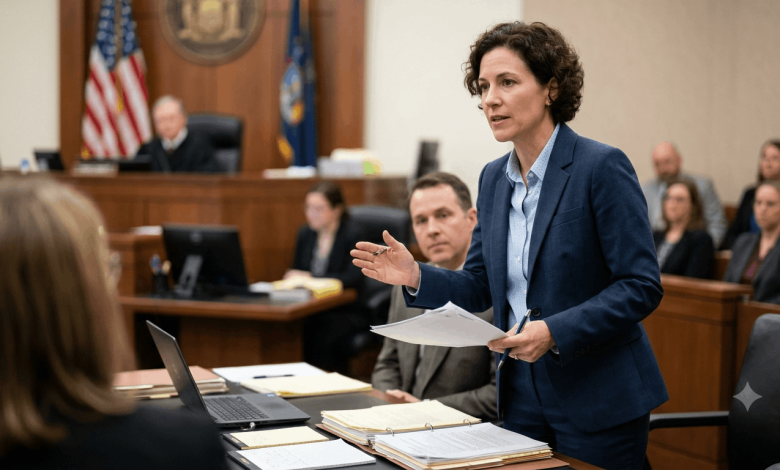
When a case does go to trial, the defence attorney cross-examines prosecution witnesses, challenges inadmissible evidence, presents alternative theories of the crime, and delivers arguments to the jury. They’re trained to spot weaknesses in the government’s case and use those weaknesses strategically.
Public Defender vs. Private Defence Lawyer: What’s the Difference?
In the United States, anyone charged with a crime that could result in imprisonment has a constitutional right to an attorney under the Sixth Amendment. If you can’t afford one, the court appoints a public defender.
Public defenders are fully licensed attorneys. They went to law school, passed the bar, and know criminal law. The criticism they face isn’t about skill, it’s about caseload. Public defenders are famously overworked, sometimes managing hundreds of cases at once. That limits how much time they can dedicate to any single client.
Private defence attorneys, by contrast, work for clients who can pay their fees. Rates vary widely based on experience, location, and case complexity. Some charge flat fees for simple cases; others bill hourly for complex felony trials. High-profile criminal defence attorneys in major cities can charge thousands of dollars per day of trial preparation.
The trade-off is real: private representation typically means more time, more resources, and more personalized attention.
Types of Cases Criminal Defence Lawyers Handle
Defence attorneys don’t all work the same cases. Many develop specializations over time. The most common case types include:
- Drug offences, ranging from simple possession to large-scale trafficking charges
- DUI and DWI cases, which carry their own set of procedural rules and often involve breath or blood test challenges
- Assault and violent crime charges, which require building a defence around intent, self-defence, or mistaken identity
- White-collar crimes such as fraud, embezzlement, and insider trading
- Sex crime allegations, which carry some of the heaviest social stigma and most severe sentencing guidelines
- Juvenile offences, handled in a separate court system designed for defendants under 18
- Federal charges, which involve a different court system, stricter sentencing guidelines, and often longer sentences than state charges
Some defence attorneys handle a broad range of criminal matters. Others focus narrowly, like attorneys who only do federal drug cases or DUI defence. When you’re shopping for representation, matching the attorney’s experience to your specific charge type matters.
How the Criminal Defence Process Actually Works
Understanding the process helps you know what to expect and why each stage matters.
Arrest and Booking
After an arrest, you’re processed, fingerprinted, and usually held until a bail hearing. Your attorney should be contacted as early as possible during this phase.
Arraignment
This is your first formal court appearance, where you’re formally charged and enter a plea of guilty, not guilty, or no contest. Your defence attorney will almost always advise pleading not guilty at this stage, even if you plan to negotiate later. Entering a not guilty plea preserves your options.
Pre-Trial Motions and Discovery
Discovery is the phase where both sides exchange evidence. Your attorney reviews everything the prosecution has and looks for anything they can challenge. Pre-trial motions can get evidence thrown out, have charges reduced, or in some cases, get the entire case dismissed before trial.
Plea Negotiations
If a deal is available, this is where it gets worked out. Your attorney presents the offer to you, explains the pros and cons, and lets you decide. No attorney can force you to take a plea deal. That decision is always yours.
Trial
If no deal is reached, or if you choose to fight the charges, the case goes to trial. Your defence attorney selects jurors, presents opening statements, cross-examines witnesses, introduces evidence, and delivers a closing argument. The prosecution must prove guilt beyond a reasonable doubt. The defence doesn’t need to prove innocence; it only needs to create doubt.
Sentencing
If you’re convicted, sentencing comes next. Your attorney can present mitigating factors, such as your background, mental health history, cooperation with authorities, or lack of prior criminal record, to argue for a lighter sentence.
What Qualities Separate a Good Defence Lawyer from a Great One
Not all defence attorneys deliver the same quality of representation. The ones who genuinely move the needle share a few characteristics.
Trial experience matters. Some attorneys settle every case because they’re uncomfortable in court. An attorney who’s actually tried cases to verdict knows how juries think and how to speak to them.
Specialization in the relevant charge type gives an attorney familiarity with the specific laws, defences, and procedural quirks that apply to your situation.
Communication is underrated. A good defence attorney explains things to you clearly, returns your calls, and keeps you informed. You should never feel like you don’t know what’s happening in your own case.
Honest assessment of your situation is probably the most valuable quality. You don’t want an attorney who tells you what you want to hear. You want one who tells you what you need to hear, even when that’s uncomfortable.
The Ethics That Govern Criminal Defence Attorneys
Defence lawyers operate under strict ethical obligations. They’re bound by attorney-client privilege, which means they cannot reveal what you tell them without your permission, with very limited exceptions. This privilege exists so clients can speak candidly without fear.
They’re also bound by duties of confidentiality, competence, and loyalty. What they’re not allowed to do is knowingly present false evidence or help a client commit future crimes. The defence attorney’s role is to advocate within the legal system, not to help clients break it.
One misconception worth clearing up: defending someone accused of a terrible crime doesn’t mean the attorney believes the person is innocent or that they endorse the alleged actions. It means they believe in the constitutional right to a fair legal process. The system depends on that advocacy to function.
When Do You Actually Need a Criminal Defence Attorney?
If you’re charged with any crime that could result in jail time, you need one. Full stop.
For minor infractions, like a parking ticket or a civil ordinance violation, legal representation may be optional. But for anything criminal, the consequences of going it alone are serious. You’re up against prosecutors who do this every day, with the resources of the state behind them. Even for seemingly minor misdemeanours, a conviction can affect your employment, housing, immigration status, and more.
If you’re being investigated but haven’t been charged yet, talking to a defence attorney before you speak to police is one of the smartest things you can do. An attorney can advise you on whether to cooperate and how.
Frequently Asked Questions About Defence Lawyers
What is the difference between a defence lawyer and a prosecutor?
A defence lawyer represents the accused. A prosecutor represents the government and works to prove the defendant guilty. They operate on opposite sides of a criminal case, each with different obligations and goals.
Can a defence lawyer defend someone they know is guilty?
Yes. A defence attorney’s job is to ensure the legal process is followed correctly and that the prosecution meets its burden of proof. They can still represent a client they believe is guilty, provided they don’t knowingly introduce false evidence or make false statements to the court.
What does it cost to hire a criminal defence attorney?
Costs vary widely. For minor misdemeanours, flat fees might range from $1,000 to $3,500. Felony cases often run $5,000 to $25,000 or more. Complex federal trials or high-profile cases can cost significantly more. Many attorneys offer free initial consultations.
Is a public defender as good as a private attorney?
Public defenders are fully qualified lawyers. The concern is time and resources, not skill. A public defender managing a heavy caseload may have less time to spend on your specific case than a private attorney would.
What should I tell my defence lawyer?
Tell them everything. Attorney-client privilege protects everything you share. Your attorney can only build the best defence if they have the full picture, including facts that feel incriminating. Surprises that come out at trial are far more damaging than uncomfortable truths shared in private.
Can a defence lawyer get charges dropped?
Yes, this does happen. Charges can be dropped if evidence is thrown out due to an illegal search or seizure, if the prosecution’s case has serious weaknesses, or if new evidence surfaces. Pre-trial motions filed by your attorney are often what makes this possible.
What’s the difference between a criminal defence lawyer and a civil attorney?
Criminal defence lawyers handle cases where the government brings charges against someone for violating criminal law. Civil attorneys handle disputes between private parties, like contract disagreements or personal injury claims. The two practice areas are largely separate.
How do I choose the right defence lawyer for my case?
Look for someone with specific experience in your charge type, a track record in the court where your case will be heard, and someone who communicates clearly. Don’t just pick based on price. The cheapest option in a felony case is rarely the smart one.
What happens if I can’t afford a defence attorney?
The court will appoint a public defender at no cost to you. You may need to demonstrate financial need. Public defenders are available for any criminal charge that carries the possibility of imprisonment.
Do I need a defence lawyer if I plan to plead guilty?
Yes. Even if you know you’ll plead guilty, an attorney can negotiate the terms of that plea, work to reduce the charges you plead to, and argue for a lighter sentence. Pleading guilty without representation often means accepting worse terms than you’d get with one.
Your Next Step After Reading This
A defence lawyer is your legal representative, your advisor, your negotiator, and your advocate inside a system designed to prosecute you. Knowing what one does, how they work, and when to hire one puts you in a far better position if you or someone you know ever faces criminal charges.
If you found this helpful, check out related guides on reuterings.com covering topics like how bail works, what to expect at an arraignment, and the difference between a felony and a misdemeanour. Understanding the full picture of the criminal justice process is the first step to navigating it well.